Autoantibodies call to mind disease – autoimmune disease, to be exact. But the physiological roles of autoantibodies are, at the very least, more complex than this view accounts for. “The autoantibody reactome is extraordinary,” Aaron Ring told BioWorld. “Nearly everyone has autoantibodies, whether they know it or not.”
Using interactions between viral peptides and human proteins as a starting point, researchers from Enyo Pharma Inc., the University of Lyon and other institutions were able to bootstrap themselves to a mitochondria-targeting small molecule that showed activity in a mouse model of nonalcoholic steatohepatitis (NASH) with chronic kidney disease.
Researchers at ETH Zurich have identified a proteomic signature that could recognize long COVID six months after acute infection. Biologically, the signature indicated that the complement system remained active in patients with long COVID six months after infection. Translationally, it could lead to a diagnostic test for long COVID, and suggests that targeting the complement system could be a therapeutic approach to prevent or treat the disorder.
A landmark, real-world study in the U.K. has demonstrated that combining whole genome sequencing with clinical data enabled tailored cancer treatment and improved outcomes. At one health care center, having DNA sequence data led to changes from usual standard of care in 25% of cases. “Mostly, [patients] got into clinical trials; some got medicines they wouldn’t have got. Others avoided medicines because their genetic make-up suggested that if they were exposed to the medicines, they would be at risk of harm,” said Mark Caulfield, professor of clinical pharmacology at Queen Mary University of London, who is co-author of a paper outlining the findings in Nature Medicine, Jan 11, 2024.
Current risk genes for some diseases such as multiple sclerosis (MS) may have emerged in the past as protection against infection by different pathogens. A group of researchers led by scientists from the University of Copenhagen has analyzed the ancient DNA of European populations and has revealed how MS, Alzheimer’s disease (AD) and diabetes arose as populations migrated. This evolution would explain the modern genetic diversity and the incidences of these pathologies observed today in the old continent.
Kynexis BV recently launched with a series A of €57 million (US$62 million) and a lead asset, Kyn-5356, that targets the kynurenine pathway. The company is preparing for clinical trials that will test the compound for the treatment of cognitive impairment associated with schizophrenia.
Researchers have identified a new class of antibiotics that works by blocking the transportation of lipopolysaccharide (LPS) to the outer membrane of the gram-negative bacterium Acinetobacter baumannii. The most advanced member of the class, zosurabalpin (RG-6006, Roche AG), was effective against multiple A. baumannii strains, including carbapenem-resistant and multidrug-resistant strains.
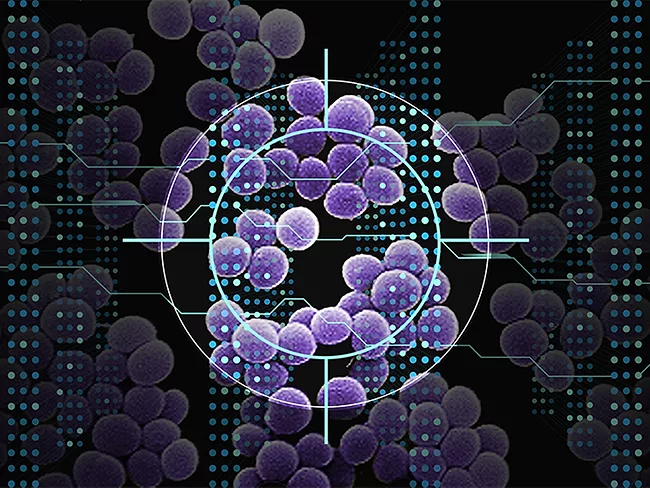
Researchers have used explainable artificial intelligence (explainable AI) to find structurally new antibiotics with minimal toxicity. They reported their findings online in Nature on Dec. 20, 2023. In animal testing, compounds identified via the method showed that they had activity against drug-resistant gram-positive bacteria including methicillin-resistant Staphylococcus aureus (MRSA), one of the most serious bacterial public health threats.
Katy Rezvani received this year’s E. Donnall Thomas Prize for her work on natural killer (NK) cells at the annual meeting of the American Society of Hematology (ASH). It was not love at first sight, though.
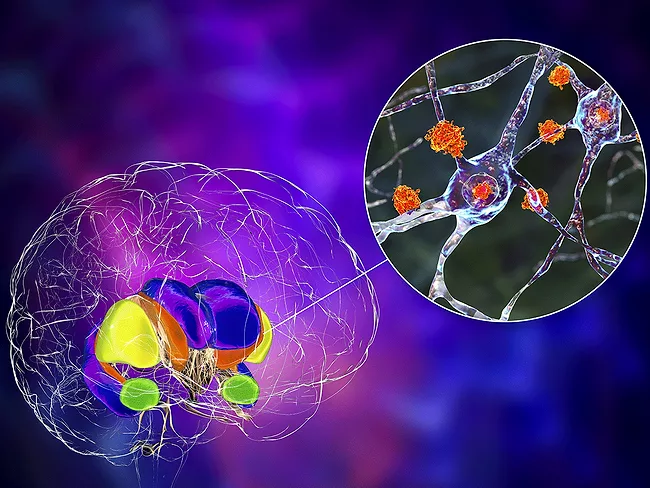
The gene for Huntington’s disease “was cloned in 1993, and everyone thought there was going to be a treatment right around the corner,” Sarah Tabrizi told the audience at the 2023 Annual Meeting of the Society for Neuroscience. Then, “it took 25 years for the first trial targeting the Huntington gene.”
 RSS
RSS