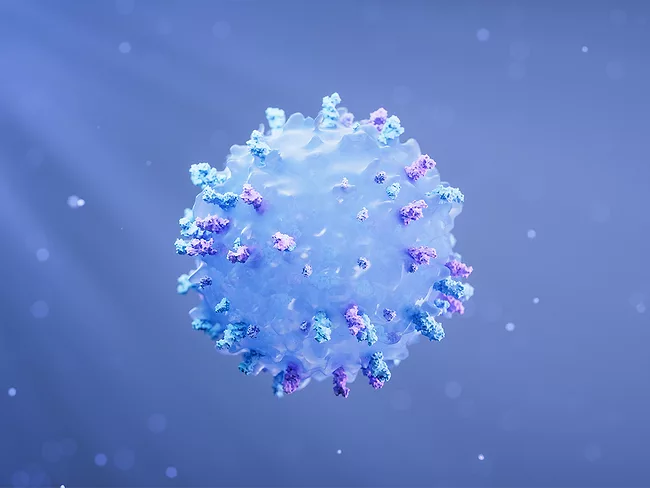
Researchers from the University of California San Francisco (UCSF) have successfully replicated the design of regulatory T cells, achieving local targeted immune suppression and protection from CAR T-cell cytotoxicity. Many of the treatments used so far in the context of inflammatory and autoimmune disorders lead to systemic immunosuppression. In this sense, limiting immunosuppression locally to targeted tissues may help overcome systemic toxicity.
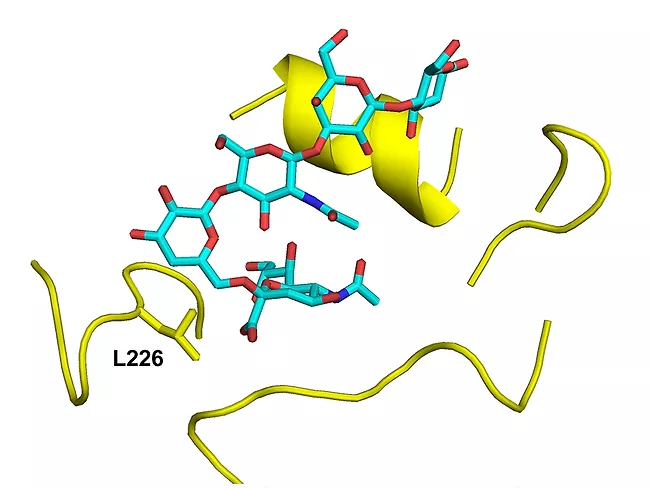
Although it does not generally infect humans, a single mutation of the H5N1 virus in the highly pathogenic avian and bovine clade 2.3.4.4b could overcome this barrier and possibly trigger a pandemic. Scientists at The Scripps Research Institute have warned of this possibility after studying the three-dimensional structure of the viral hemagglutinin and seeing how a change in one amino acid would make it more suitable for the human cell receptor. The researchers stress the need to monitor new mutations of this virus in order to act quickly in case the global jump to our species occurs.
Researchers at the University of Rochester have described a neuroimaging-based biomarker that could identify individuals with early psychosis, and improved their identification when it was added to a standard neurocognitive diagnostic test. In a group of roughly 160 participants in the Human Connectome Early Psychosis Project, individuals who were in the early stages of psychosis had stronger connections from the thalamus (a midbrain sensory processing area) to the cortex, but weaker connections between different cortical areas, than controls.
Researchers at the University of Copenhagen have identified a signaling pathway that simultaneously increased energy expenditure and decreased food intake. In both human and primate studies, agonists of the tachykinin NK2 receptor (NK2R) led to both decreased food intake and increased energy expenditure. And in behavioral tests, they were not aversive, suggesting they do not cause the nausea that is a major side effect of GLP-1 agonists.
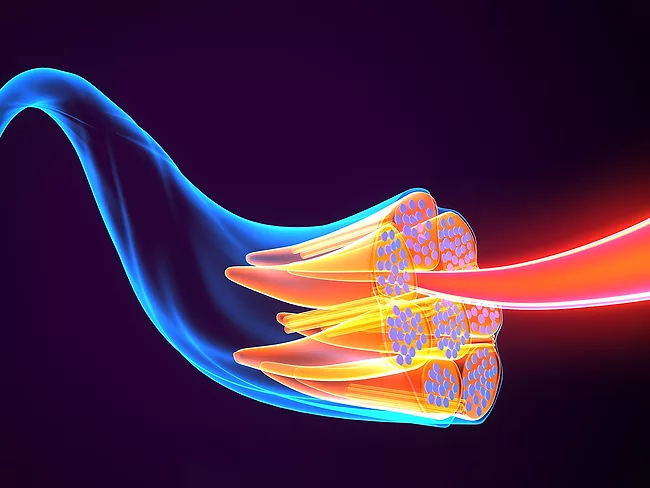
At the Breakthroughs in Muscular Dystrophy special meeting held in Chicago Nov. 19-20, 2024, and organized by the American Society of Gene & Cell Therapy (ASGCT), multiple interventions at the RNA level were among the approaches that were presented to fight muscular dystrophies.
Since the isolation of the gene that causes Duchenne muscular dystrophy (DMD), scientists have progressed in understanding the mechanisms that lead to muscular diseases that can be evident from the early stages of childhood. This has led to the development of diagnostics and therapeutics, some approved by the FDA.
An international consortium of thousands of scientists is creating the Human Cell Atlas, a three-dimensional map of all the cells in the body. The goal is to understand all the cells that make up human tissues, organs and systems, which will enable multiple medical applications. This collection of cell maps is openly available for navigation at single-cell resolution, identified through omics analyses that reveal the tridimensional distribution of each cell.
At the BioFuture 2024 conference held in New York in November, Seema Kumar, the CEO of Cure, described women’s health as something that has been directed at the “bikini area.” That “bikini” bias extended to both diseases and their causes – women’s health covered the breasts and reproductive system, and its causes were hormonal. Both concepts are far too narrow.
It’s difficult to fathom that the health of half the world’s population is underserved. But it’s a hard truth. There are many conditions that disproportionately impact women. Other conditions and diseases affect women in different ways than men. Decades of research excluding women from clinical trials and investment decisions in male-dominated board rooms have ignored these facts. Though an increasing number of women are now managing investments and driving the research, it’s all still woefully behind. In BioWorld’s new report, Healing the health divide, we’ve highlighted the disparities.
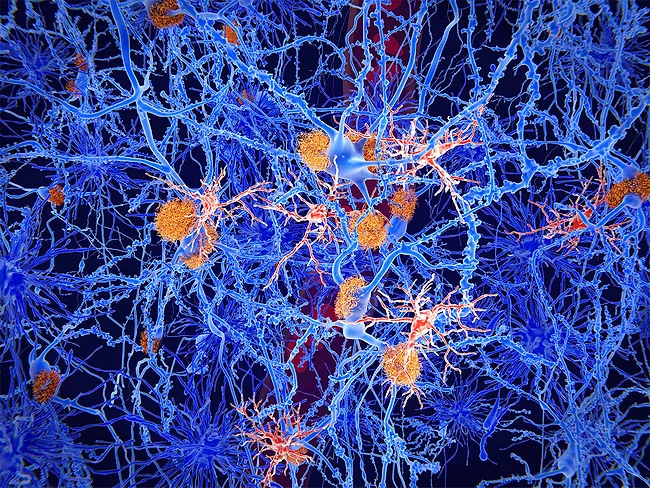
Reducing microglial activity in the presence of apolipoprotein E4 (APOE4) has uncovered a mechanism associated with the deposition of misfolded amyloid and tau in a novel mouse model of Alzheimer’s disease. By transplanting human neurons into the mouse brain and eliminating the mouse microglia, scientists at the Gladstone Institutes in San Francisco observed that amyloid and tau deposition was reduced. These results support therapeutic strategies that target APOE4 and microglia.

 RSS
RSS