Nuevocor Pte. Ltd. has closed a $45 million series B, enabling it to move lead gene therapy NVC-001 into the clinic in the treatment of an inherited form of cardiomyopathy.
Targeted protein degradation has yet to notch its first approval. But with more than two dozen agents now in clinical trials, the strategy’s ultimate clinical validation appears to be a matter of time.
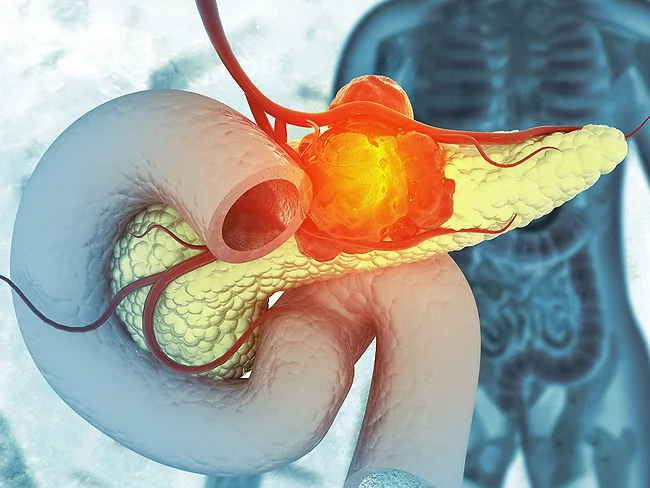
A metabolic vulnerability of pancreatic ductal adenocarcinoma (PDAC) could be used to address this type of cancer that often resists treatments. Scientists at the University of Michigan have discovered that inhibiting the PIKfyve enzyme prevented tumor development and reduced tumor growth by altering the lipid synthesis these cells rely on. The KRAS-MAPK pathway is involved in this process, leading the researchers to suggest that dual inhibitors of PIKfyve and KRAS-MAPK could be an effective therapeutic strategy.
Harvard University has filed a lawsuit claiming the Trump administration’s freezing of its federal funding is unlawful and beyond the government’s authority. Announcing the move, Harvard’s president, Alan Garber, highlighted the impact of freezing $2.2 billion in grants – and the threat to freeze a further $1.1 billion – will have on the university’s biomedical research.
Genes associated with lysosomal dysfunction increase the risk of Parkinson’s disease (PD), according to a study led by scientists at Northwestern University. The discovery also explains why some people who carry a pathogenic variant of the GBA1 gene develop PD or dementia with Lewy bodies (DLB) and others do not. The key lies in the Commander complex, involved in the transport of proteins to this organelle. This discovery raises the need for combinatorial therapies that act on more than one pathway for this type of neurodegenerative disorder.
Researchers from Pretzel Therapeutics Inc. and the University of Gothenburg have published new insights on how mutations in the POLG gene affect its functionality and are tied to PolG diseases. They have also presented a compound for its potential treatment, PZL-A. They published their results in Nature on April 9, 2025.
Researchers have developed a new compound that can prevent long COVID symptoms in mice that could lead to a future drug for the debilitating condition in humans. Developed by researchers at the Walter and Eliza Hall Institute of Medical Research (WEHI) in Melbourne, the world-first study found mice treated with the antiviral compound were protected from long-term brain and lung dysfunction, which are key symptoms of long COVID.
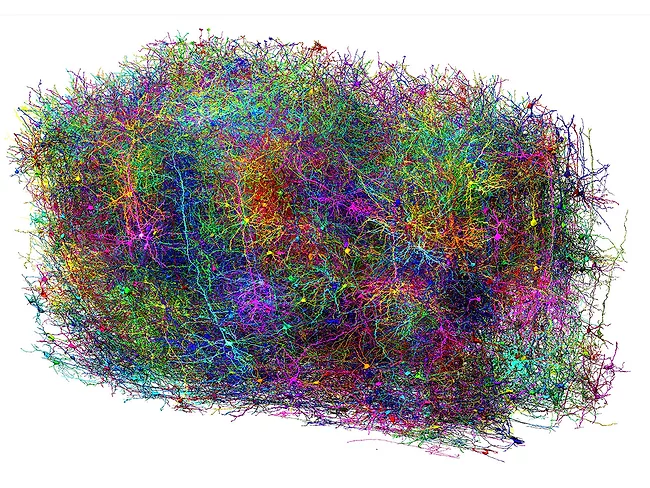
Scientists from the Machine Intelligence from Cortical Networks (MICRONS) consortium have published the microconnectome of a cubic millimeter of the mouse brain. This is the most complete map of this organ to date at nanometer resolution for a mammal. It not only contains the structure and connections of each and every cell in that volume of tissue, but is also linked to the neuronal activity of that portion of the CNS, linking anatomy and function in the same cells.
At the recently launched Alzheimer’s & Parkinson’s Diseases Conference held in Vienna, Lotte Bjerre Knudsen from Novo Nordisk A/S, who has extensive experience in glucagon-like peptide-1 (GLP-1) research, delivered a plenary lecture focused on the role of GLP-1 receptor agonists, such as semaglutide, in attenuating neuroinflammation and neurodegeneration.
Transplanting an animal organ into a human is now a closer reality following the successful xenotransplantation of a genetically modified pig liver into a patient diagnosed with brain death in China. The operation was intended to evaluate organ function over a 10-day period. This is a complex experimental trial that did not involve removing the patient's liver and still requires further study. However, the positive preclinical results suggest this strategy could save the lives of those waiting for a human organ, at least in certain cases.
 RSS
RSS