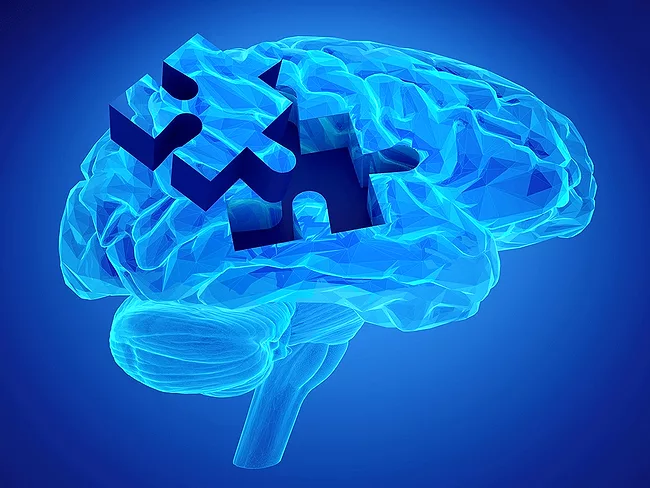
LONDON – New human brain organoids that precisely model the three hallmarks of Alzheimer’s disease – amyloid plaque-like lesions, progressive neuronal death and abnormal accumulations of tau – are now ready to be developed for use in high-throughput drug screening.
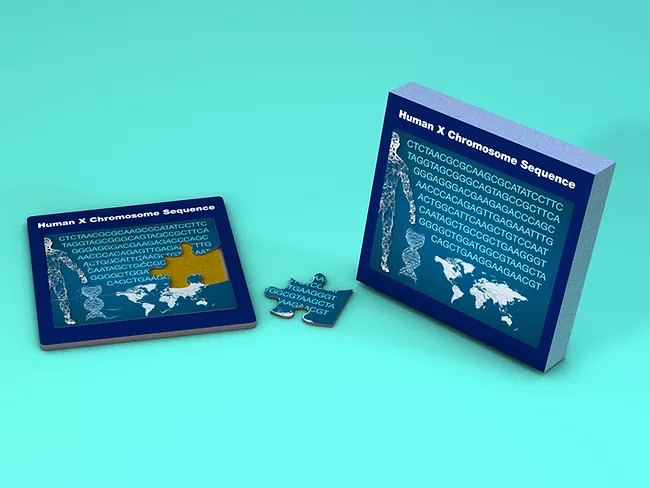
BioWorld looks at translational medicine, including: X chromosome is finished;
Protein degradation system targeted to KRAS; Bacteriophages find, fight microbiome’s dark side; Preventing T-cell rejection; Mitochondria, interneurons, cognition link explored.
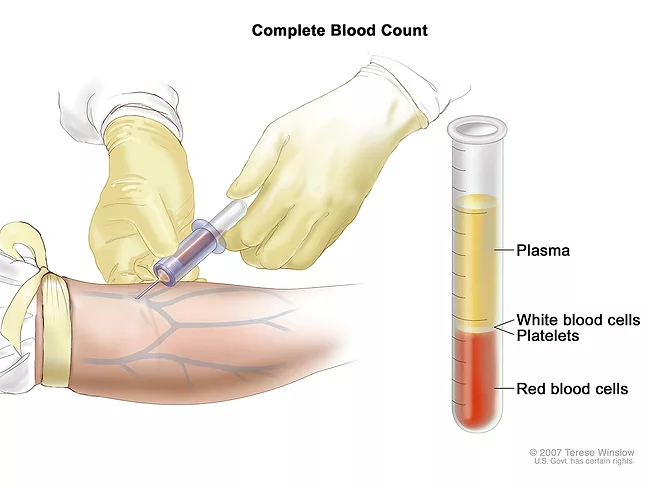
BioWorld looks at translational medicine, including: Base editor targets mitochondrial DNA; Everyone’s an immune cell; Brief anemia helps out nanoparticle drugs; Crosstalk between sex, stress hormones affects immunity; Astrocytes, endocannabinoids, metabolism cooperate to affect behavior; CDK-like kinase plays role in sensing pain; RNA editing restores Rett protein; Single-cell studies give insights into pulmonary fibrosis.
Exercise is a powerful way to keep the elderly brain working well, not just in individuals that are healthy, but also in those with neurodegenerative disease. Even individuals with familial Alzheimer’s, though they will develop dementia regardless of whether they exercise or not, will have relatively better cognitive function if they exercise than if they don’t.
Forty years after HIV became a global pandemic, there are now more than 30 drugs approved to treat it. The National Institute of Allergy and Infectious Diseases’ director, Anthony Fauci, and clinical director, Clifford Lane, opined in the July 2, 2020, issue of The New England Journal of Medicine that “considering the spectacular scientific advances that have been made over nearly four decades, it is conceivable that with optimal implementation of available prevention strategies and treatments, the end of HIV/AIDS as a global pandemic will be attainable.”
A large epidemiological study published in the July 6, 2020, advance online issue of The Lancet found that most individuals who became infected with SARS-CoV-2 developed antibodies to the virus, confirming that infection usually results in at least a short-term immune response.
The checkpoint molecule CD47 has high hopes riding on it in oncology as being the innate immune equivalent of PD-1. Multiple companies are developing blockers against CD47 and/or its ligand, SIRPa, for the treatment of various tumors.
BioWorld looks at translational medicine, including: Potassium channel distancing fights stroke; ASO approach fixes myelin; FMF is Mediterranean’s SCD; Calpain-2 in common, rare neurodegeneration; Antitoxin vaccine fights S. aureus; Noncoding mutations contribute to heart disease; Good vs. evil in the synovial joint; Necrosis has role in post-flu bacterial infections; Macrophage crosstalk inflames fat.
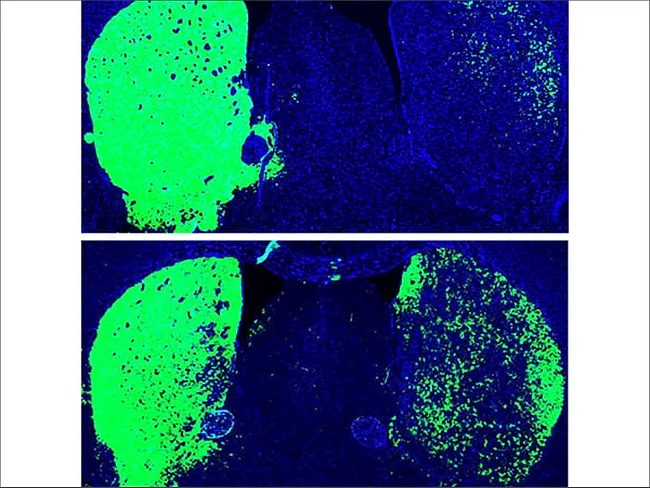
Two separate groups have recently shown that in mouse models, inactivation of a single gene was enough to directly convert other cell types in the brain into neurons.
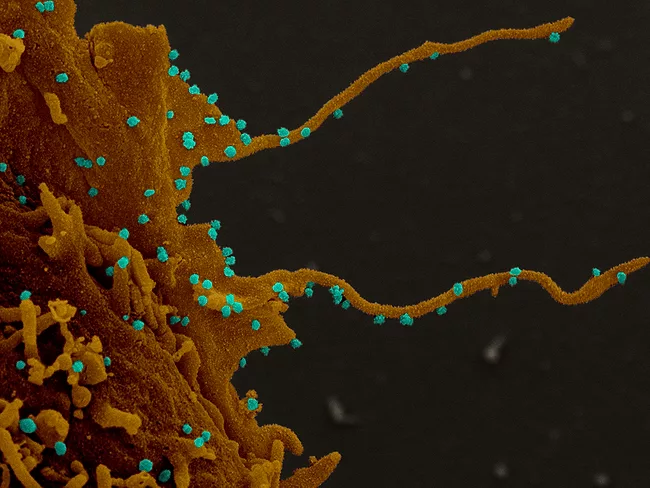
LONDON – Scientists investigating the impact of SARS-CoV-19 on protein expression in human cells have shown that infected cells develop virus-laden membrane protrusions, or filopodia, which may explain the rapidity of viral spread through the body.
 RSS
RSS