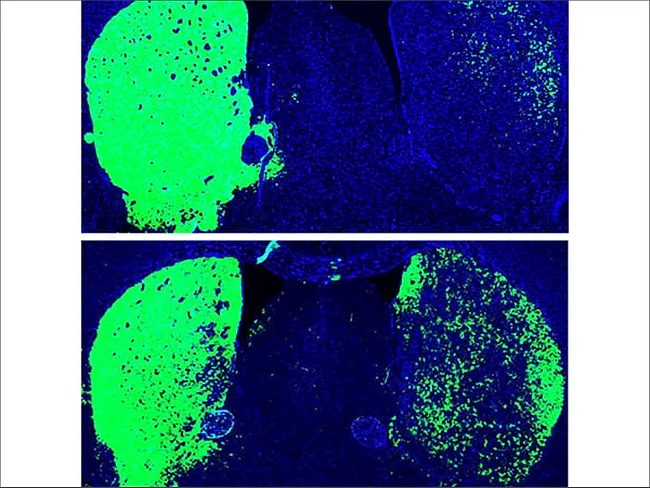
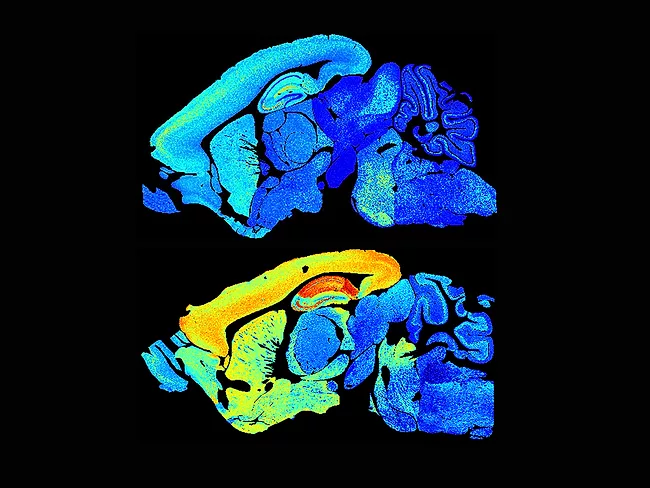
Two separate groups have recently shown that in mouse models, inactivation of a single gene was enough to directly convert other cell types in the brain into neurons.
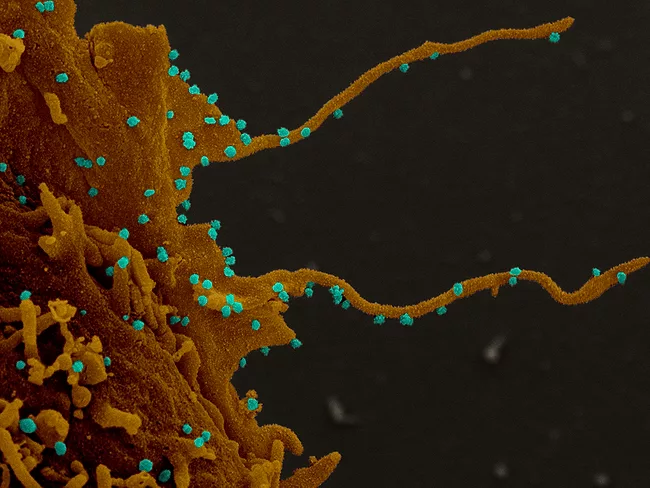
LONDON – Scientists investigating the impact of SARS-CoV-19 on protein expression in human cells have shown that infected cells develop virus-laden membrane protrusions, or filopodia, which may explain the rapidity of viral spread through the body.
Technical challenges at the annual meeting of the International Society for Stem Cell Research (ISSCR) meeting led to at least one lively exchange of stem cell jokes in the chat box as the audience waited for talks to resume, including stem cell parental advice: “You can be anything you want when you grow up!”
BioWorld looks at translational medicine, including: A Tau-sand forms of tau?; P53 ‘glue’ gums up cancer cells; Shock and kill with less toxicity; Placental attachment theory.
On June 17, the FDA approved checkpoint blocker Keytruda (pembrolizumab, Merck & Co. Inc.) “for the treatment of adult and pediatric patients with unresectable or metastatic tumor mutational burden-high (TMB-H) [?10 mutations/megabase (mut/Mb)] solid tumors, as determined by an FDA-approved test, that have progressed following prior treatment and who have no satisfactory alternative treatment options.”
BioWorld looks at translational medicine, including: Liver-derived protein helps lung, kidney repair; Multiracial study gives new diabetes insights; New way to target drugs, independently of drug target; Microbiome-produced metabolites improve gut health; Universal flu vaccine more challenging than anticipated; The bow ties that bind; FOXO1 regulates HIV latency; Patient genetic variants linked to wound microbiomes; New COPD target.
By targeting chimeric antigen receptors (CARs) to a senescence marker, researchers at Memorial Sloan-Kettering Cancer Center have developed a CAR T cell that had beneficial effects in mouse models of both liver fibrosis and lung cancer.
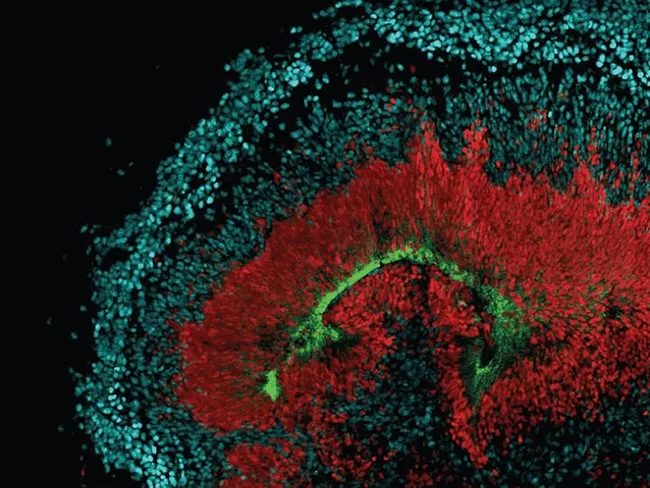
LONDON – After the human brain organoid, here comes the gastruloid – a 3D organized model of key elements of the human embryo at around 18 to 21 days old.
From memory formation to waste clearance, sleep, Dragana Rogulja said, is thought of as “of the brain, by the brain, for the brain.” However, sleep may be necessary for the brain, but the brain is not necessary for sleep.
 RSS
RSS