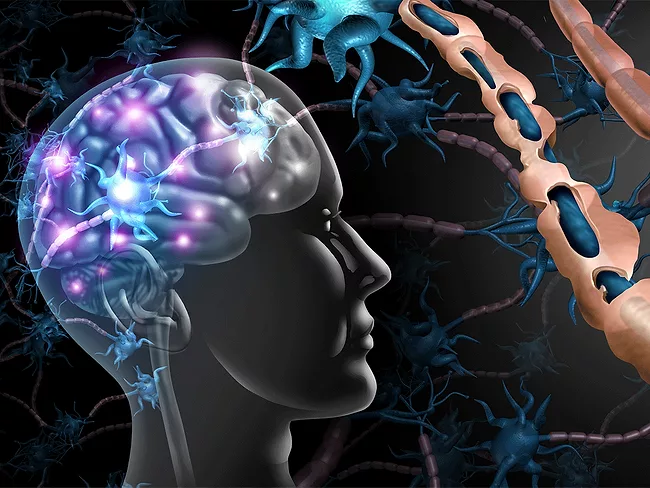
Screening a panel of potential autoantigens, investigators at the Karolinska Institute have identified four autoantigens that are targeted by the T cells of multiple sclerosis patients.
A new animal model of systemic lupus erythematosus (lupus) could be useful for understanding the disparity of the disorder, which is vastly more common in women than men.
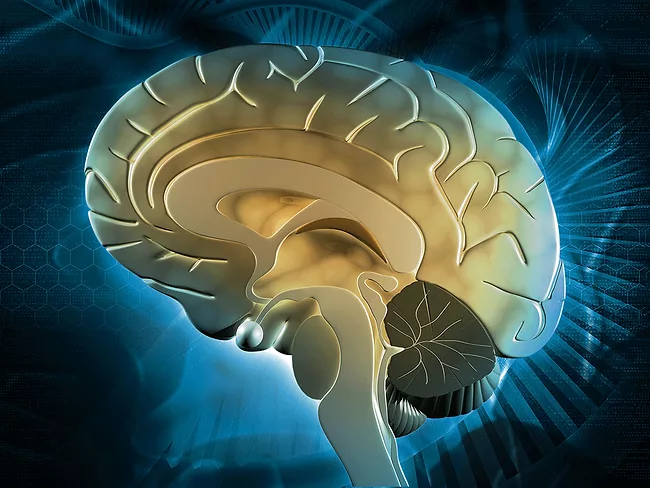
A research team led by neuroscientists and neurosurgeons from Paris-Saclay University have recently managed to demonstrate that electrical stimulation of the thalamus can restore consciousness when this has been impaired.
Perkinelmer Inc. said the Vega is a first-of-its-kind preclinical ultrasound system that will accelerate preclinical research and drug development studies of cancer, cardiovascular, liver, kidney and other diseases. The imaging platform combines hands-free automation with high-throughput capability, which the company said is a major advance over manual ultrasound scanning across the bodies of individual lab mice.
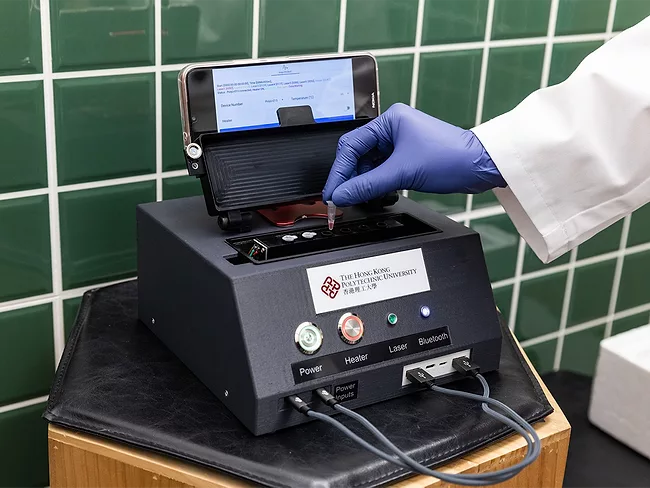
An interdisciplinary research team from the Hong Kong Polytechnic University has developed a portable testing device that can detect the COVID-19 virus within 40 minutes.
Investigators at Boston Children's Hospital have demonstrated that SARS-CoV-2 infection of blood monocytes and lung macrophages in the lung could kill the cells via pyroptosis, increasing inflammation and leading to severe COVID-19.
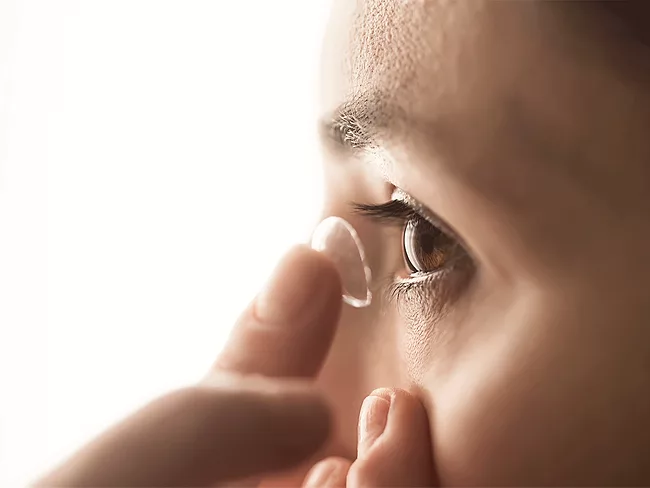
A smart contacts lens that detects diabetes and treats diabetic retinopathy could provide patients with a more comfortable alternative to insulin shots and monitoring blood glucose levels. The product was developed by a research team at the Pohang University of Science & Technology (POSTECH) that includes Sei Kwang Hahn, the CEO of Seoul, South Korea-based Phi Biomed Co. Ltd.
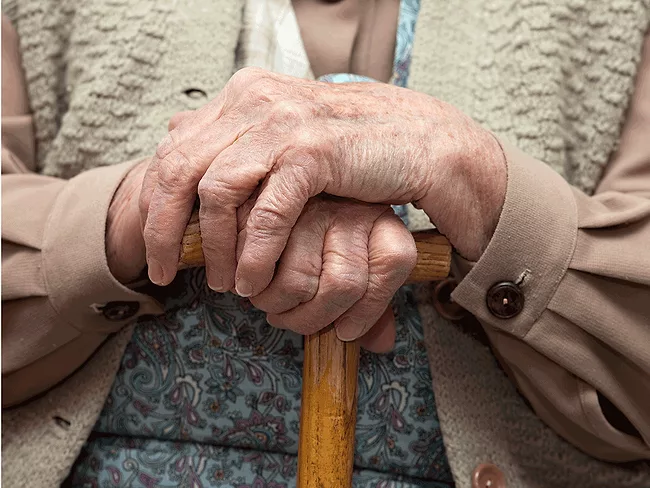
By using roughly 400 data points, from molecular to physical fitness, researchers have gained new insights into how organs such as the heart vs. the skin, and systems such as the immune and metabolic systems, age at different rates within individuals.
A research team from the Technical University of Munich (TUM) in Germany has for the first time managed to integrate the dark-field X-ray technique into a CT scanner suitable for clinical application. They have just published an article describing how they integrated this technology, in the journal Proceedings of the National Academy of Sciences.
An analysis of brain scans of participants in the UK Biobank has shown there are significant differences between the condition of the brain before and after mild COVID-19 infection. These included a reduction in overall brain size, reduction in grey matter thickness in the orbitofrontal cortex and hippocampal gyrus, and changes in markers of tissue damage in regions functionally connected to the primary olfactory cortex. Infected participants also showed, on average, a larger cognitive decline than participants who had not contracted COVID-19.
 RSS
RSS