The climate crisis in the time of COVID-19 illustrates the difference between the important and the urgent. There is, of course, no alternative to focusing on the current pandemic. But at the same time, the SARS-CoV-2 coronavirus has not changed the fact that the climate crisis is a coming wave whose health consequences will ultimately dwarf those of any single infectious agent.
LONDON – Leading genome sequencing groups are launching the first meta-analysis in the hunt for genetic factors that explain why some people have worse COVID-19 symptoms than others, after agreeing to share patient sequence data from around the world.
“Vaccines, obviously, are the ultimate solution for pandemics,” Rino Rappuoli told BioWorld. They have, he added, “already eliminated a lot of pandemic threats – smallpox, influenza, poliomyelitis.”
There will be lessons learned aplenty when the COVID-19 pandemic finally breaks, including how serological and molecular testing can be used to maximum effect to corral a future pandemic.
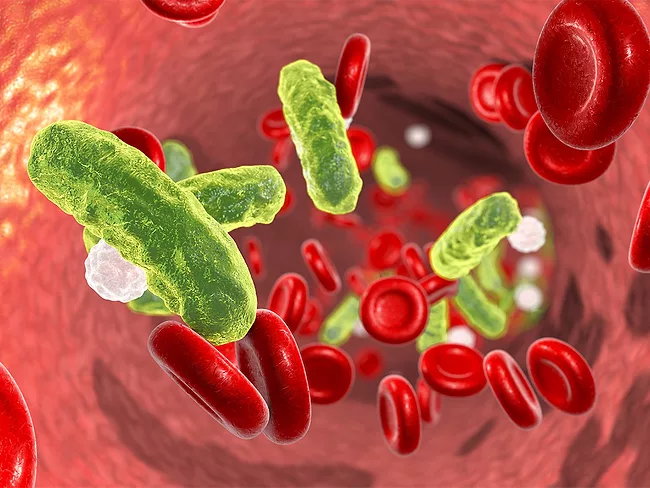
Indian scientists have discovered a previously unknown mechanism underlying life-threatening sepsis and proposed a new treatment strategy centered upon cell-free chromatin (cfCh), they reported in the March 4, 2020, edition of PLOS ONE.
COVID-19 has disrupted science in the way it has disrupted everything else. In the short term, universities have largely closed shop as a way to maximize social distancing, and lots of science – or at least, lots of bench work – is not getting done.
LONDON – Two papers published online in Nature following accelerated peer review provide fine detail of how the spike protein on the COVID-19 coronavirus binds to the angiotensin converting enzyme 2 (ACE2) through which it infects its human host.
Targeting glycosylated PD-1 immune checkpoint may be a promising new cancer immunotherapeutic strategy, according to a collaborative study led by Taiwanese researchers, which was reported online in Cancer Research.
 RSS
RSS