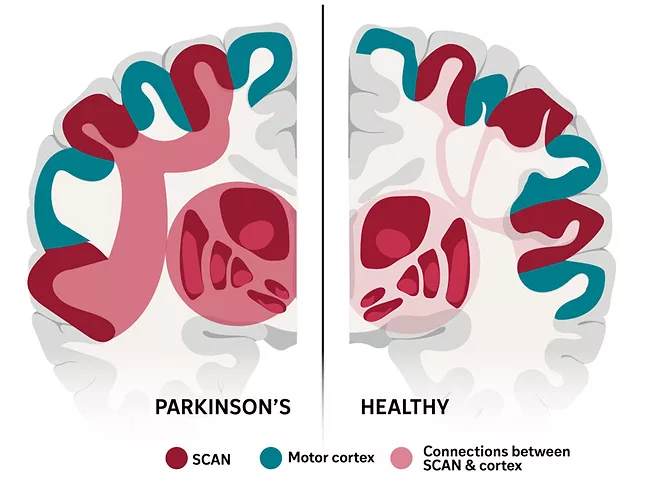
Parkinson’s disease is a neurodegenerative disorder that affects movement, and tremor is one of its signatures. But it is a much more wide-ranging disorder, and patients experience problems with cognitive and emotional processes as well. SCAN, the somato-cognitive action network identified in 2023, could reshape the definition of PD. Treating this circuit can improve outcomes.
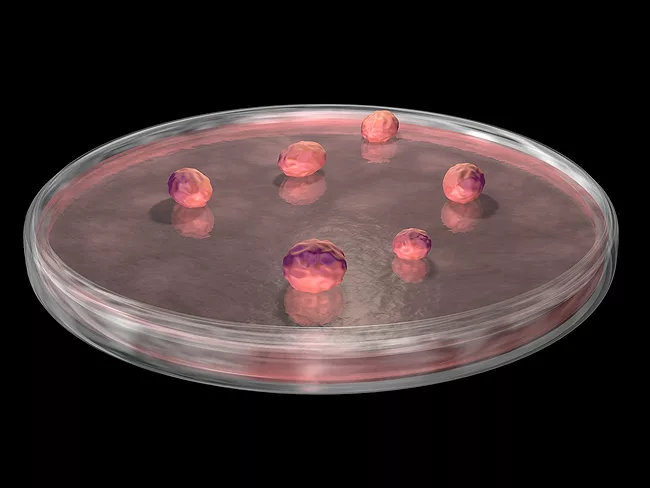
The variety of organoids that can be developed in vitro is enabling major advances. Depending on the type of tissues and the research goals, these small 3D cell-based structures that mimic real tissue offer certain advantages over animal models. Scientists at the University of Padova in Italy have created human neuromuscular organoids to reproduce cancer-induced muscle cachexia, a condition that murine models do not accurately replicate.
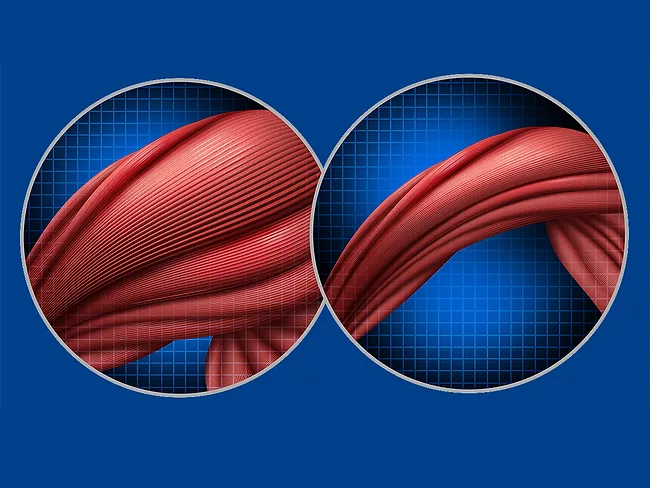
A circuit formed by tumor, immune and nervous systems triggers cancer cachexia and anorexia, the excessive loss of weight, muscle and fat experienced in some cancer types. A new study is the first showing these three actors of a triangle interaction that initiates and feeds the process.
The malfunction of lymphatic drainage that occurs in lymphedema leads to excessive cholesterol accumulation in the affected skin and lymphatic vessels, causing inflammation and fibrosis. However, surgery and the chemical reduction of accumulated cholesterol with cyclodextrin reduce inflammation and regenerate lymphatic vessels. Cholesterol is a potential therapeutic target for treating lymphedema, according to this study published on Feb. 11, 2026, in Nature by Veronique Angeli and her colleagues.
Hepatocellular carcinoma (HCC) is the most common form of primary liver cancer, representing approximately 75-85% of all cases. Often considered preventable, primary liver cancer ranks as the sixth most frequently diagnosed cancer and the third leading cause of cancer deaths worldwide. Through a multi-institutional effort, researchers have identified activated ATF6α as a driver of HCC that suppresses immune defenses, predicts response to immune checkpoint therapy, and represents a potential target for intervention.
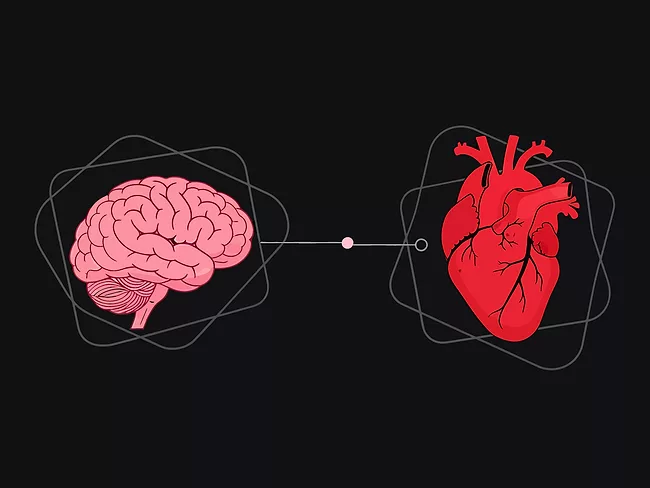
The neural and neuroimmune mechanisms behind myocardial infarction-triggered cardiac events, immune responses and activation of the nervous system remain largely unexplored. The heart and the brain talk to each other in what is known as cardioception. This communication between the two organs is orchestrated through neurons of the vagus nerve or the dorsal root ganglia, among others. Researchers from the University of California, San Diego have now shown that the dynamics of these interactions may play a crucial role in modulating inflammation, repair and cardiac functioning.
The U.K.’s main research funding agency is looking to put more public money into proof of concept and pre-seed funding of putative university spinouts, to make them more investible and improve relations between academics and investors. The move by UK Research and Innovation, which in 2026 will allocate £9.22 billion (US$12.58 billion) of taxpayer money across all fields of research, is in response to a government edict that the agency prioritizes outputs over inputs.
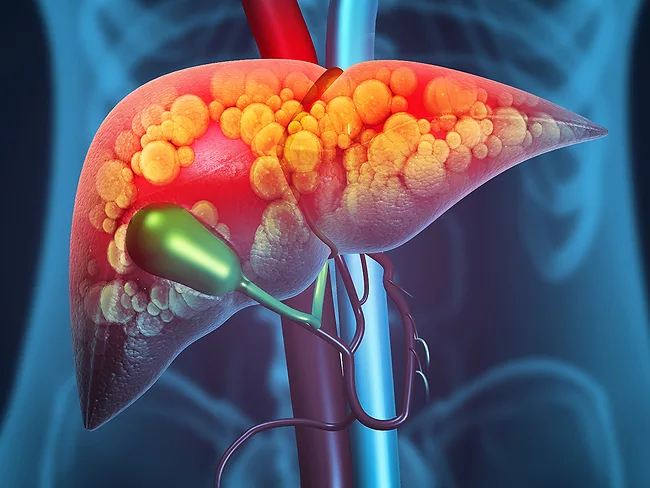
Liver fibrosis in the course of metabolic dysfunction-associated steatohepatitis could be significantly reduced using CAR T-cells generated in vivo. Scientists at the Icahn School of Medicine at Mount Sinai have developed an experimental cell therapy that eliminates only one type of liver cell, the stellate cells that express fibroblast activation protein alpha. This strategy not only reduced fibrosis but also reversed liver damage.
Google Deepmind is shedding light on the dark genome with its latest AI model, which is trained to decipher the 98% of DNA that does not code for proteins. Alphagenome is designed to predict how variants in the regulatory genome exert their effects on the expression of the genes they control.
Chemotherapy is often seen solely as a tumor-targeting treatment, yet new evidence reveals a paradox: the tissue injury it causes can reprogram the body’s defenses, influencing the risk of metastasis. Researchers from the University of Lausanne and collaborators reported that chemotherapy reshapes the gut-immune axis by inducing microbiota-derived indole-3-propionic acid, which reprograms myelopoiesis to curb monocyte-driven immunosuppression and metastasis in colorectal cancer.
 RSS
RSS