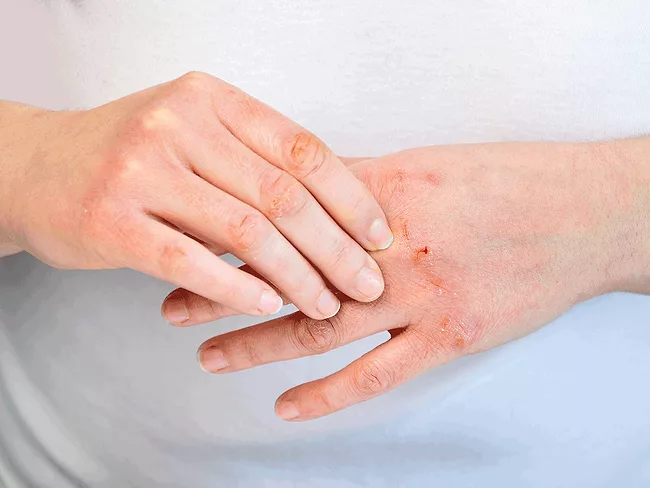
The strategy of taking aim at IL-4Ra (type I and II receptors) and IL-31 by way of a bispecific antibody in atopic dermatitis (AD) has not worked out as well as Johnson & Johnson (J&J) hoped when, last May, the firm paid $1.25 billion to bring the product aboard by acquiring Yellow Jersey Therapeutics, a wholly owned subsidiary of Numab Therapeutics AG.
Two phase III studies of setrusumab, Orbit and Cosmic, for treating brittle bones have failed and left the developers floundering on Wall Street. Neither of Ultragenyx Pharmaceutical Inc. and Mereo Biopharma Group plc’s studies of the monoclonal antibody in treating osteogenesis imperfecta hit statistical significance in their primary endpoints, though they did achieve their secondary endpoints. The companies are still looking at the numbers to determine their next steps.
Gene therapy has had its commercial struggles in the past year. The cost to patients is in the millions and fewer are stepping forward for treatment than companies would like. While development continues in this game-changing field, some have struggled with regulatory authorities during development while others have just stepped away altogether.
In a letter to the hemophilia community, Pfizer Inc. reported a death due to cerebellar infarction and subsequent cerebral hemorrhage in a long-term extension trial participant taking the New York-based company’s tissue factor pathway inhibitor antagonist Hympavzi (marstacimab).
Reviva Pharmaceuticals Holdings Inc. may be headed back to the clinic for another phase III study of brilaroxazine in treating schizophrenia. With a successful series of early and mid-stage studies behind the treatment, the U.S. FDA recommended a second study for the serotonin-dopamine and neuroinflammatory signaling modulator after a pre-NDA meeting in order to net more efficacy results and expand the safety dataset.
Daiichi Sankyo Inc. told BioWorld it voluntarily placed a partial hold in recruitment and enrollment in the phase III IDeate-Lung02 study of antibody-drug conjugate ifinatamab deruxtecan because of a higher than anticipated incidence of grade 5 interstitial lung disease events. The company did not say how many deaths there had been.
Eli Lilly and Co. took another step toward adding a way for patients to hang onto their weight loss when the firm disclosed positive top-line data from the phase III Attain-Maintain trial with orforglipron, a once-daily oral small molecule GLP-1 receptor agonist. Indianapolis-based Lilly said that at one year orforglipron met the primary and all key secondary endpoints vs. placebo, delivering superior weight maintenance as an adjunct to a healthy diet and physical activity, using the efficacy estimand and modified treatment-regimen estimand.
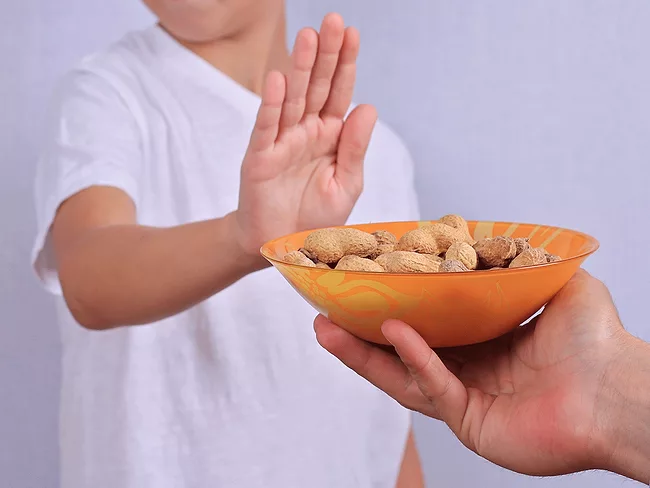
DBV Technologies SA’s pivotal phase III trial with the Viaskin Peanut allergy patch came through for the company, and officials plan a BLA filing with the U.S. FDA in the first half of next year. Shares of the Montrouge, France-based firm (NASDAQ:DBVT) closed Dec. 17 at $22.55, up $4.57, or 25%, on positive top-line results from the study called Vitesse with Viaskin for children, ages 4 to 7.
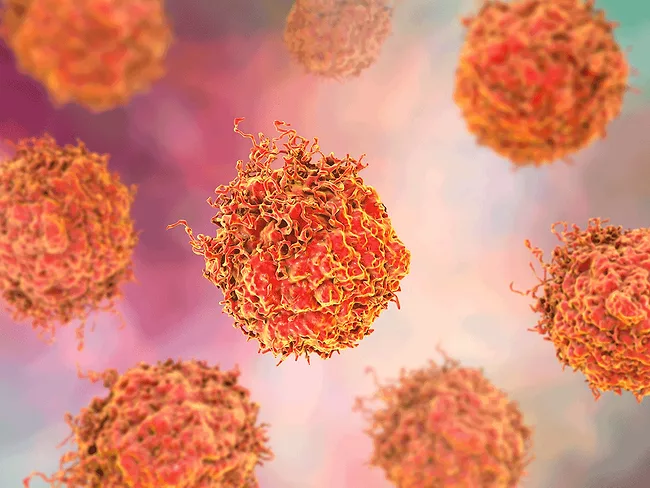
Monte Rosa Therapeutics Inc. plans a signal-verifying phase II trial next year after making known the positive interim data from an ongoing phase I/II trial testing molecular glue degrader MRT-2359 in combination with androgen receptor (AR) inhibitor Xtandi (enzalutamide, Astellas Pharma Inc.). The investigation targeted heavily pretreated patients with metastatic castration-resistant prostate cancer bearing AR mutations.
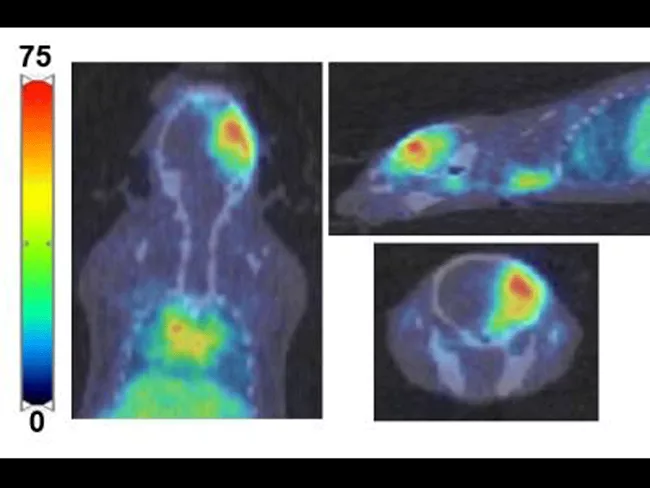
Radiopharm Theranostics Ltd.’s radiotracer RAD-101 met the primary endpoint in 92% of patients in the phase IIb imaging trial in brain metastases, according to interim results. To date, 11 of the 12 patients treated with RAD-101 (F18-Pivalate) achieved concordance with MRI (the primary endpoint) as assessed by PET imaging of brain metastases. The results showed significant and selective tumor uptake, and images confirm metabolic activity in brain metastases compared to equivocal MRI findings.
 RSS
RSS