Pasadena, Calif.-based Circularity Healthcare LLC has initiated a clinical trial to evaluate its transdermal microcirculation device in COVID-19 patients with underlying health conditions. The aim is to see if use of the noninvasive deoxyhemoglobin vasodilator (from which the product derives its name) improves outcomes in patients suffering from coronavirus-related complications.
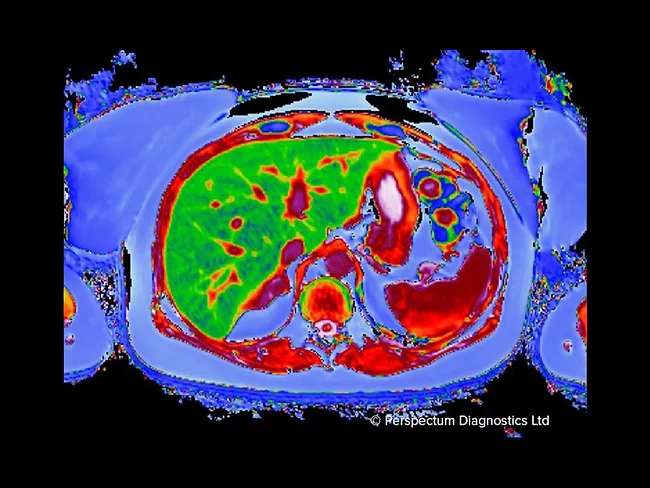
Oxford, U.K.-based Perspectum Diagnostics Ltd. is recruiting patients for a study to determine the degree of damage sustained by major organs following infection with the SARS-CoV-2 virus. The company will use its multiparametric magnetic resonance imaging (MRI) devices and other means to evaluate post-COVID-19 organ damage, track healing and evaluate impact on survivors.
Paris-based health care startup Cardiologs Technologies SAS has launched a clinical study to assess the use of its artificial intelligence (AI) platform to remotely monitor cardiac safety in COVID-19 patients being treated with the malaria drug hydroxychloroquine. The study could help to detect and prevent serious cardiac effects of the drug.
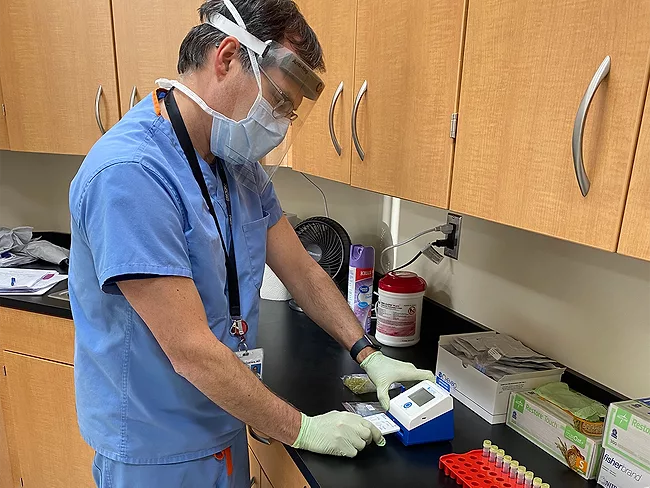
Stony Brook Medicine has launched an FDA-approved, randomized investigational new drug (IND) trial to determine whether plasma from people who have recovered from COVID-19 can aid in the recovery of patients currently fighting the disease. Chembio Diagnostics Inc.'s COVID-19 rapid serological point-of-care test will be used to identify potential plasma donors.
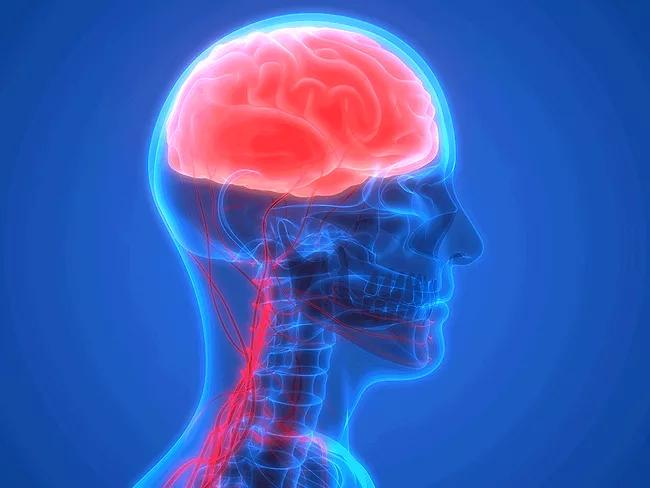
The human body constantly assaults medical devices that are implanted within it. The traditional solution to that has been to encase them in titanium. But that’s not the best option in the brain, where it remains difficult to place a high number of electrodes without damaging the brain, while protecting the device from long-term damage.
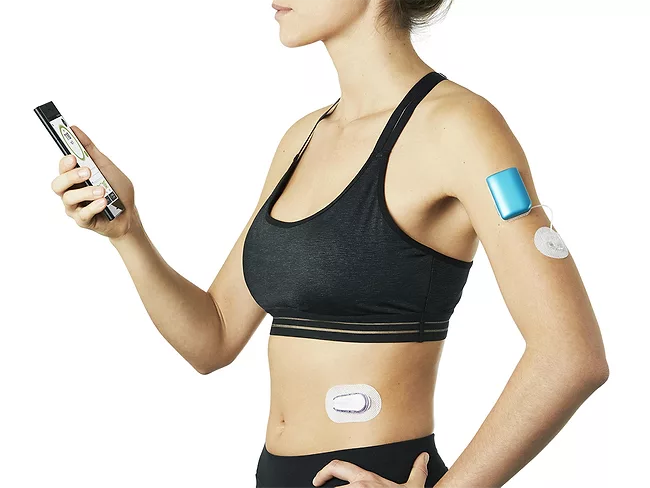
PARIS – Diabeloop SAS, of Grenoble, France, has launched a real-world study of its automated insulin delivery DBLG1 system, incorporating the Dana-I pump from Sooil Development Co. Ltd., of Seoul, South Korea.
To better tap into the potential of transcranial magnetic stimulation (TMS), Stanford University researchers developed a high-dose, precision-targeted protocol known as Stanford Accelerated Intelligent Neuromodulation Therapy (SAINT).
Indian scientists have discovered a previously unknown mechanism underlying life-threatening sepsis and proposed a new treatment strategy centered upon cell-free chromatin (cfCh), they reported in the March 4, 2020, edition of PLOS ONE. Notably, they showed that sepsis could be caused by cfCh released from dying host cells following microbial infection.
Results of a study presented at the American College of Cardiology's Annual Scientific Session on March 29 demonstrated “excellent” outcomes following transcatheter aortic valve replacement (TAVR) using the Medtronic plc Evolut in low surgical risk patients with bicuspid aortic valve stenosis.
Systematic detection of cancer at earlier stages at a population level could remodel how the medical profession approaches cancer treatment, establishing the potential to reduce cancer mortality by almost one-quarter. That’s according to an analysis based on the latest data from Grail Inc.'s Circulating Cell-free Genome Atlas (CCGA) study.
 RSS
RSS