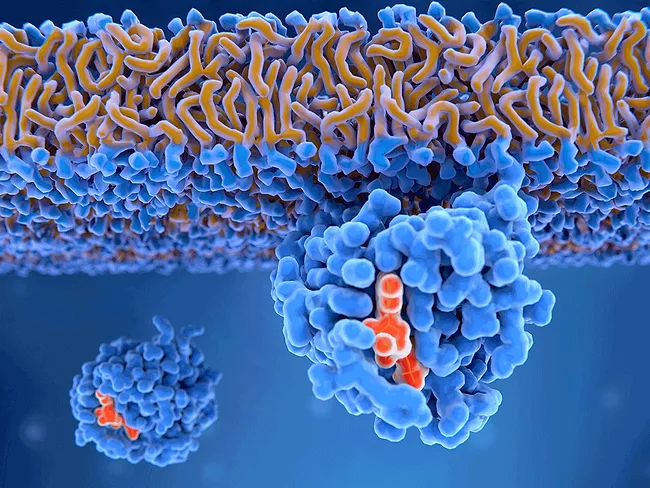
The U.S. FDA’s green light April 17 for Abbvie Inc. to expand the label of Qulipta (atogepant) – the first and only oral calcitonin gene-related peptide (CGRP) receptor antagonist for migraine, with language that includes prevention of such headaches chronically in adults – provided a welcome addition to the arsenal, but sufferers are still waiting for an improved remedy. Vaxxinity Inc. just might have it. And with a vaccine, no less.
As investors await phase II/III data from Gritstone Bio Inc.’s closely watched trial with Granite, an individualized neoantigen vaccine for microsatellite-stable colorectal cancer, Wall Street was busy handicapping odds for firm’s new approach, given the struggles by personalized methods generally.
Final phase II data showing improved survival rates in cervical cancer is giving Nykode Therapeutics ASA even more confidence in taking vaccine candidate VB10.16 further into oncology. The company had been considering targeting head and neck cancer for months. Now, with these new data, it said it’s fully behind focusing on PD-L1 patients with up to one prior line of systemic therapy.
Immuneering Corp.’s positive pharmacokinetic, pharmacodynamic and safety phase I data with universal RAS inhibitor IMM-1-104 let the company move up the timeline for a recommended phase II dose from previous guidance of mid-2024 to early next year.
Junshi Biosciences Co. Ltd.’s PARP inhibitor, senaparib (JS-109/IMP4297), met the primary endpoint of progression-free survival in a phase III ovarian cancer study, according to a prespecified interim analysis.
A biomarker found in spinal fluid can detect Parkinson’s disease in individuals with the disease and may flag those at risk years before symptoms develop, a study published in The Lancet Neurology found. The breakthrough, which could enable diagnosis of the disease for the first time in patients who do not exhibit a movement disorder, was achieved by an international coalition of scientists led by the Michael J. Fox Foundation (MJFF) as part of its landmark clinical study, the Parkinson’s Progression Markers Initiative (PPMI).
Combining the personalized cancer vaccine mRNA-4157 (V-940, Moderna Inc.) with Keytruda (pembrolizumab, Merck & Co. Inc.) significantly extended recurrence-free survival in patients with stage III/IV resected high-risk melanoma in the randomized phase II KEYNOTE-942/mRNA-4157-P201 trial. Compared to Keytruda alone, adding the vaccine cut the risk of recurrence or death by 44% 18 months after treatment, lead investigator Jeffrey Weber reported at the opening clinical trials plenary of the 2023 annual meeting of the American Association for Cancer Research (AACR).
Junshi Biosciences Co. Ltd.’s PARP inhibitor, senaparib (JS-109/IMP4297), met the primary endpoint of progression-free survival in a phase III ovarian cancer study, according to a prespecified interim analysis.
A new method for imaging microvascular blood flow which will allow for better diagnosis of vascular diseases such as diabetic foot ulcers has been developed by researchers from the department of biomedical engineering at Linkoping University, Sweden, in cooperation with Perimed AB.
Immutep Ltd.’s lead immunotherapy candidate, eftilagimod (IMP-321, efti), plus pembrolizumab reverted previous resistance to PD-1/PD-L1 therapy in part B of the TACTI-002 phase II trial in second-line metastatic non-small-cell lung cancer (NSCLC) in patients refractory to anti-PD-1/PD-L1 therapy.

 RSS
RSS