Treating mice with butyrate, a short-chain fatty acid that is normally produced by beneficial gut microbes, prevented anaphylactic shock in allergic mice when they were exposed to peanuts after treatment. It also reduced inflammation in animals with colitis.
Cumulus Neuroscience Ltd. published a study demonstrating its home use electroencephalogram (EEG) can turn in more precise results than supervised laboratory-based assessments.
Nuvectis Pharma Inc. has been in business for barely two years, but thanks to a business model involving in-licensing promising late preclinical drug candidates, it has already begun a trial with a molecule targeting a little-known pathway that cancer cells depend on for protection. The firm is also close to the clinic with a drug that could give a new twist to tyrosine kinase inhibition after a $16 million financing round in early August.
Additional deaths believed to be associated with one of Foghorn Therapeutics Inc.'s lead candidates led the U.S. FDA to put a full clinical hold on its phase I study in relapsed and/or refractory acute myelogenous leukemia and myelodysplastic syndrome.
Likely to garner attention at the upcoming European Society of Medical Oncology meeting are the MAGE-A4 and PRAME antigens which, although well-known and validated, have proved evasive for drug developers – a situation that may soon change.
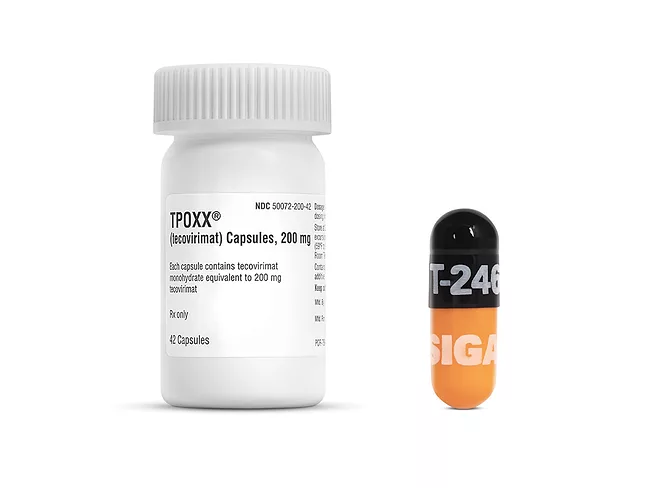
The first randomized placebo-controlled trial assessing the effectiveness of the antiviral drug Tpoxx (tecovirimat) in treating monkeypox has begun in the U.K., with the first patients enrolled on Aug. 21.
The Project to Accelerate New Treatments for Tuberculosis is progressing two investigational tuberculosis combination treatment regimens into phase II trials under a joint development agreement.
Alterity Therapeutics Ltd. has begun phase II trials with its lead candidate, ATH-434, in multiple system atrophy, a rare and highly debilitating Parkinsonian disorder.
Staidson Biopharmaceuticals Co. Ltd. is testing a combination of two monoclonal antibodies (MAb), STSA-1002 and STSA-1005, in China for the potential treatment of people with severe-to-critical COVID-19.
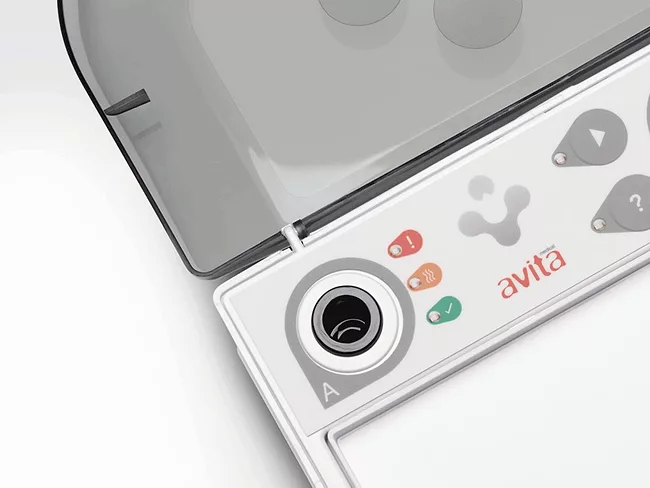
Regenerative medicine company Avita Medical Ltd. reported that topline results were mixed for its pivotal trial evaluating the safety and effectiveness of its Recell system combined with meshed autograft for reducing donor skin harvesting in soft tissue reconstructions.
 RSS
RSS