New top-line data from Kintara Therapeutics Inc.’s phase II study of its lead candidate, VAL-083, in recurrent glioblastoma multiforme were incrementally better than data released in April, and that’s just fine with CEO Saiid Zarrabian. “Normally, in my experience, top-line data usually regresses a little,” Zarrabian told BioWorld. “The fact that it improved could be a reflection of the small size of the study, but it adds a little more interest to top-line data.”
The COVID-19 vaccine from Curevac AG looks far less protective than mRNA-based rivals, according to phase IIb/III data, but the company suggested it could still be approved in younger age groups or supplied to poorer countries at lower cost.
Neuropace Inc. nabbed $9 million in the form of a five-year NIH grant as part of the Brain Research through Advancing Innovative Neurotechnologies (BRAIN) Initiative. The grant will support the study of the Mountain View, Calif.-based company’s Responsive Neurostimulation (RNS) system in patients with Lennox-Gastuat syndrome (LGS), a debilitating form of epilepsy.
Shares in Altimmune Inc. and Angion Biomedica Corp. were sharply down after the companies announced trial disappointments from a nasal COVID-19 vaccine and two investigational therapies. Altimmune was worst hit, with shares (NASDAQ:ALT) dropping 38% to $9.80 June 30 after announcing its nasal COVID-19 vaccine did not produce enough immune response and axing an immunotherapy trial after encountering problems finding enough subjects.
Hightide Therapeutics Inc. presented top-line results of its lead program, HTD-1801, from a multicenter phase II trial in primary sclerosing cholangitis (PSC), which showed the drug candidate reduced alkaline phosphatase levels compared to placebo.
Medigen Vaccine Biologics Corp. released results from a phase III trial of its enterovirus 71 (EV71) vaccine that showed efficacy of 100% against a virus that causes hand, foot and mouth disease and continues to emerge on a regular basis across Asia.
A study presented this week at the European Society of Human Reproduction and Embryology (ESHRE) annual conference demonstrated that the noninvasive artificial intelligence (AI) technology developed by Aivf Ltd. can instantly differentiate between genetically normal and abnormal human embryos, increasing the likelihood of successful pregnancy for couples using in vitro fertilization.
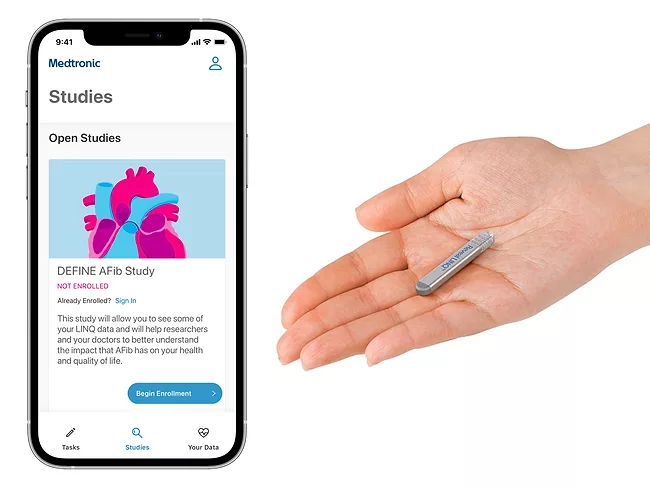
Medtronic plc kicked off an app-based research study to improve understanding of atrial fibrillation (AF) disease burden and its impact on patient outcomes, quality of life and health care utilization. The first patients in the DEFINE AFib study were enrolled at Duke University Medical Center and the Florida Electrophysiology Associates in Atlantis, Fla. “When it comes to managing atrial fibrillation, there is not a ‘one-size-fits-all’ approach, and the hope is that DEFINE AFib may give us the tools to help personalize AF management based on a patient’s individual health profile and physiology,” said Jonathan Paul Piccini, director of cardiac electrophysiology and associate professor of medicine at Duke University School of Medicine and chair of the DEFINE AFib Steering Committee. “DEFINE AF will harness the power of digital health to make fundamental discoveries about how we can manage atrial fibrillation better in each and every one of our patients.”

 RSS
RSS