Shares in Zealand Pharma A/S (CO:ZEAL) dropped 22.4% to as low as DKK587 (US$82.16) on Dec. 20, after the U.S. FDA issued a complete response letter (CRL) for glepaglutide in the treatment of short bowel syndrome.
Merit Medical Systems Inc. received an early holiday gift this year, reporting that its Wrapsody cell-impermeable endoprosthesis has received premarket approval from the U.S. FDA and plans to begin commercialization of the device there in 2025.
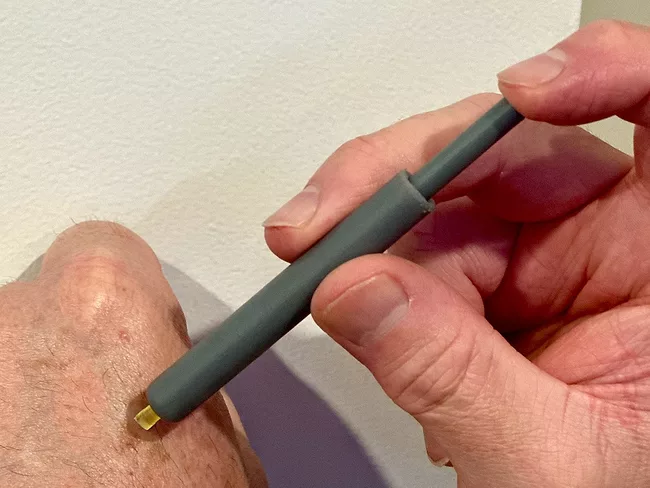
A new method to diagnose skin cancer was validated for the first time in clinical trials that show Dermr Health Solutions Pty Ltd.’s non-invasive microneedle patch collects near-equivalent genetic information compared to a skin biopsy without pain or cutting.
Clinical data reported by a handful of biopharmas on Dec. 19 sent stocks soaring or plunging, as company leaders laid out next-step plans. Investors showed enthusiasm for Omeros Corp.’s narsoplimab to treat hematopoietic stem cell-transplant-associated thrombotic microangiopathy (TA-TMA), and Roche AG’s Parkinson’s prospect prasinezumab, which is partnered with Prothena Corp. plc.
Investors will get more details during the International Lewy Body Dementia Conference in Amsterdam late next month, but Wall Street is already buzzing about Cognition Therapeutics Inc.’s data from the phase II study with CT-1812 in dementia with Lewy bodies.
Released from a clinical hold by the U.S. FDA in late September, Biomea Fusion Inc.’s menin inhibitor, icovamenib, has charged ahead to produce positive top-line data from a phase II study in type 2 diabetes (T2D). The data, however, didn’t stop the stock from dropping to near its lowest level of the past 12 months.
Kura Oncology, Inc. and Kyowa Kirin Co. Ltd.’s selective oral menin inhibitor ziftomenib showed encouraging data across multiple studies, the most encouraging of which were in combination with other standard of care therapies in patients with NPM1-mutant and KMT2A-rearranged acute myeloid leukemia.
SK Bioscience Co. Ltd. gained approval from the Human Research Ethics Committee in Australia to start phase I/II trials of GBP-560, its mRNA-based vaccine candidate for mosquito-borne Japanese encephalitis virus, with funding from Coalition for Epidemic Preparedness Innovations.
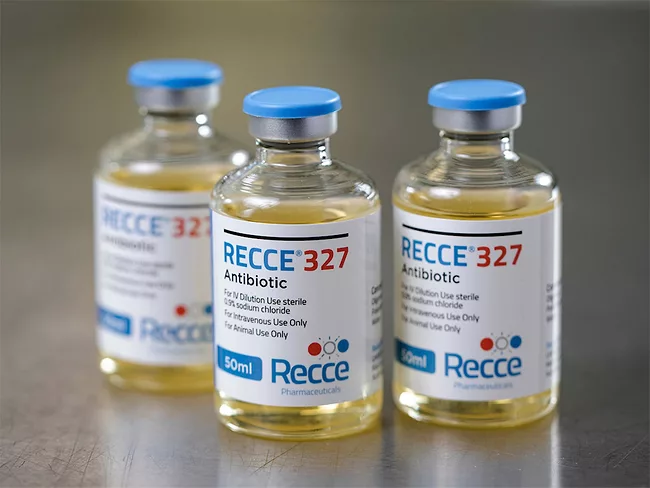
Recce Pharmaceuticals Ltd. is progressing synthetic antibiotic Recce-327 to pivotal phase III trials in Indonesia for the treatment of diabetic foot infections. The trial, which is assessing Recce-327 as a topical gel (R327G), is expected to begin in the first quarter of 2025, Recce CEO James Graham told BioWorld.
Caliway Biopharmaceuticals’ lipolysis candidate, CBL-514, met all the primary and secondary efficacy endpoints in a phase IIb study for subcutaneous fat reduction, paving the way for the company to begin a global pivotal phase III study in 2025.

 RSS
RSS


.webp?height=488&t=1670008838&width=650 "Acute myeloid leukemia")