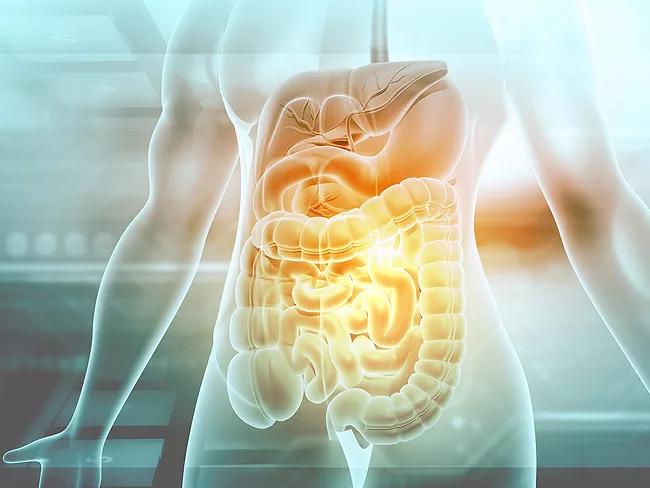
Salt-inducible kinase 2 (SIK2) is a serine/threonine kinase that regulates transcriptional programs in myeloid cells by phosphorylating transcriptional coregulators. In macrophages, SIK2 promotes the expression of proinflammatory cytokines and contributes to the balance between inflammatory and regulatory responses. Researchers from Nimbus Therapeutics LLC presented the preclinical efficacy of NTX-147, a SIK2 selective inhibitor, in ex vivo models of ulcerative colitis (UC).
The massive cuts to science, global health, and HIV programs that unfolded in 2025 triggered a crisis with worldwide repercussions. The dissolution of USAID, the shutdown of PEPFAR, and the suspension of thousands of NIH research projects led to an immediate collapse of essential services, from HIV prevention to access to treatment. At the 33rd Conference on Retroviruses and Opportunistic Infections (CROI) held Feb. 22-25, 2026, in Denver, scientists, activists, and health professionals presented data illustrating the scale of the damage and warned of a historic setback in the global HIV response.
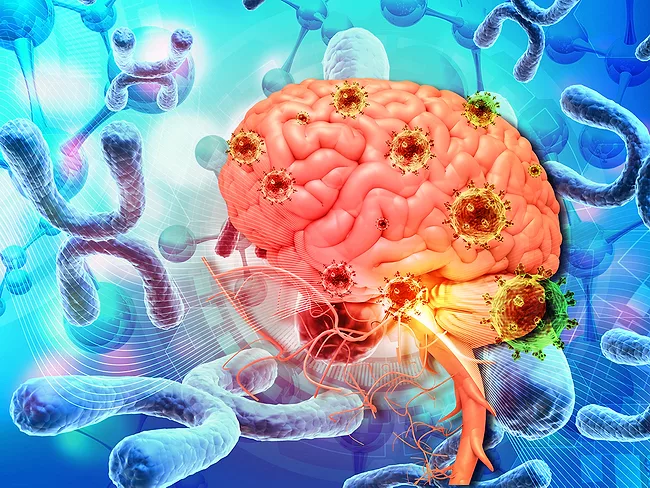
The effects of aging pose an additional challenge for people with HIV due to the neurological and psychological consequences that persist despite antiretroviral therapy. At the Conference on Retroviruses and Opportunistic Infections (CROI) held Feb. 22-25, 2026, in Denver, the scientific community examined how the virus affects the brain, how the reservoir is established in the CNS, and which genetic, immunological or treatment-related factors influence cognitive health.
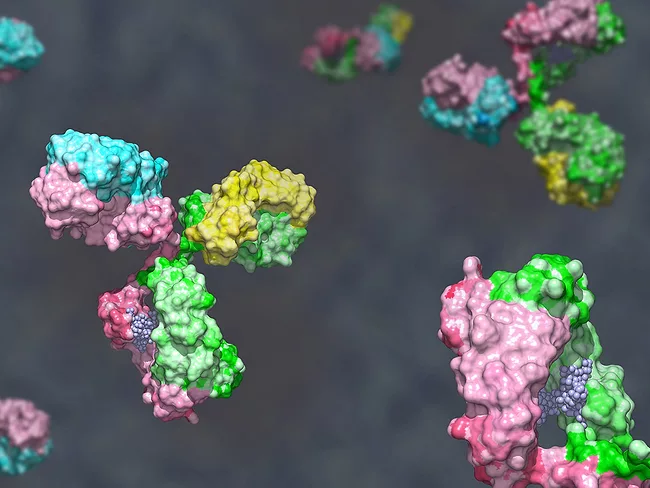
Researchers from Spyre Therapeutics Inc. reported on the therapeutic efficacy of combining anti-TL1A and anti-IL-23 antibodies in preclinical models of colitis.
The farnesoid X receptor (FXR) is a nuclear receptor that plays a central role in bile acid regulation, intestinal barrier integrity, immune modulation and microbiome balance, all key factors involved in the development of inflammatory bowel disease (IBD). Researchers from Gilead Sciences Inc. reported the effects of GS-8670, an FXR agonist, in models of colitis.
Researchers from Model Medicines Inc. have presented preclinical efficacy data for MDL-001, a first-in-class, oral non-nucleoside inhibitor that targets an allosteric site in the Thumb-1 domain of the viral polymerase.
Antiretroviral therapies against HIV have been in use for more than 30 years and have enabled people living with HIV to maintain undetectable viral levels. Many of them are aging in good health. However, others present symptoms of cognitive decline. HIV can reach the brain and establish a reservoir there. Yet, it is still unknown what this reservoir is like, which cells are affected, and which comorbidities are typical of aging or are associated with the virus.
Researchers from Shanghai Ailux Biotechnology Co. Ltd. have disclosed preclinical data regarding their humanized bispecific antibody ALX-001 targeting TL1A and IL-23 for the potential treatment of immune-mediated inflammatory diseases (IMIDs).
CD137 is a potent immune costimulatory receptor that promotes T-cell activation and enhances antitumor immune responses. However, systemic activation of CD137 can result in excessive immune stimulation and associated safety risks, such as hepatotoxicity, limiting its clinical use.
Researchers from Agni Bio Inc. reported the preclinical profile of AGB-201, a bispecific antibody designed to simultaneously target EDB and LTβR, while minimizing unwanted immune activation.
 RSS
RSS