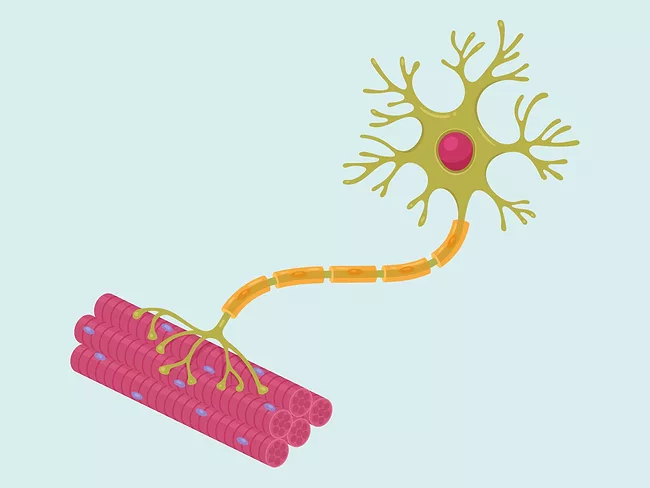
Exon skipping therapies based on antisense phosphorodiamidate morpholino oligomer (PMO) have great potential to restore dystrophin in the skeletal muscle and treat Duchenne muscular dystrophy (DMD). Entrada Therapeutics Inc. has developed an endosomal escape vehicle conjugated to DMD exon skipping PMOs (exon 51 skipping), ENTR-601-51, for the potential treatment of DMD.
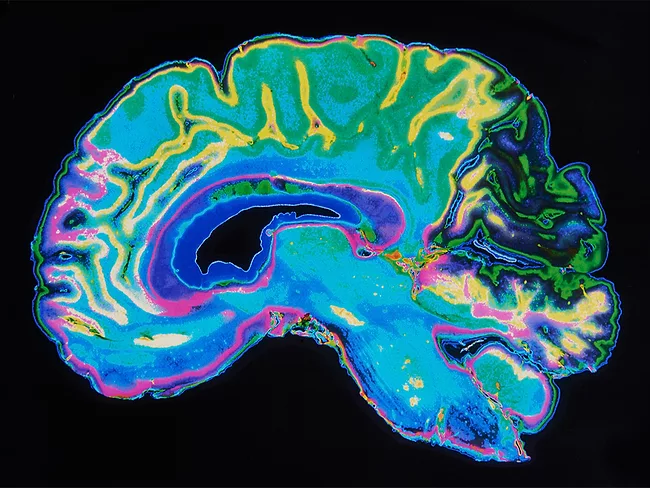
Neurodegenerative disease and cognitive decline cannot be explained by a single process. Beta-amyloid plaques, hyperphosphorylated tau, alpha-synuclein, activated microglia and astrocytes, altered receptors such as TREM2, mitochondrial dysfunction, epigenetic changes and cerebrovascular alterations all seem to contribute to the development of dementia in Alzheimer’s disease (AD). While scientists attempt to address each of these elements, prevention is growing as a primary goal.
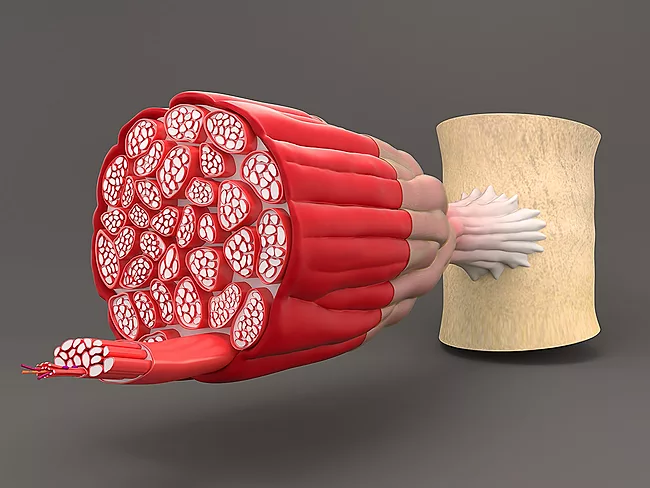
Facioscapulohumeral muscular dystrophy (FSHD) is a muscle wasting disease caused by aberrant expression of double homeobox protein 4 (DUX4). When DUX4 is activated in skeletal muscle, it triggers myocyte cell death after several transcriptional changes, thus genetic DUX4 silencing arises as a promising approach for treating FHSD.
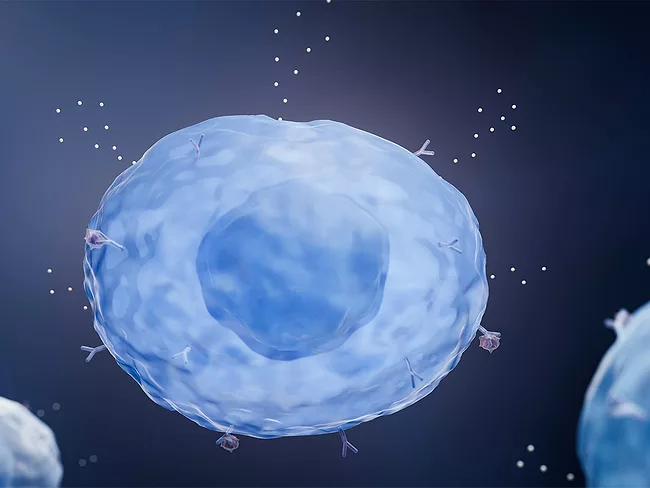
Excellergy Inc. has presented data for Exl-111, an investigational allergic effector cell response inhibitor (ECRI) targeting the IgE axis that is designed to disarm allergic effector cells at the source of activation.
Researchers from Pretzel Therapeutics Inc. presented preclinical data of PX-578, a first-in-class POLG activator aimed at restoring mtDNA replication and mitochondrial function independently of mitochondrial DNA depletion syndromes genotype.
Researchers from Chemicare Srl and the University of Piemonte Orientale have presented preclinical results regarding their (SOCE) negative regulator CIC-39. Researchers evaluated the dysregulation of SOCE in both ex vivo and in vivo models of Duchenne muscular dystrophy (DMD), as well as evaluated the therapeutic potential of CIC-39 in DMD.
The activation of mast cells in the lungs and skin is involved in diseases such as asthma and chronic spontaneous urticaria, where the KIT receptor tyrosine kinase is a key regulator of mast cell function.
Researchers from Sab Biotherapeutics Inc. presented data generated in the development and validation of a pharmacokinetic (PK) assay for SAB-142 and the evaluation of its toxicology and immunologic effects in a juvenile cynomolgus monkey model.
Keros Therapeutics Inc. has presented data regarding their activin receptor ligand trap, RKER-065, for the inhibition of the activin/myostatin signaling axis.
Atopic dermatitis (AD) is an inflammatory skin disease accompanied by pruritus, for which IL-13 and IL-31 are clinically validated targets. Earendil Labs Inc. has developed a bispecific antibody targeting both IL-13 and IL-31, HX-16108, with an extended half-life.
 RSS
RSS