Forx Therapeutics AG presented a comprehensive preclinical medicinal chemistry and translational profiling program describing the optimization of potent and selective poly(ADP-ribose) glycohydrolase inhibitors, which led to the identification of FORX-428, currently in phase I clinical trials. The company also disclosed the chemical structure of the compound.
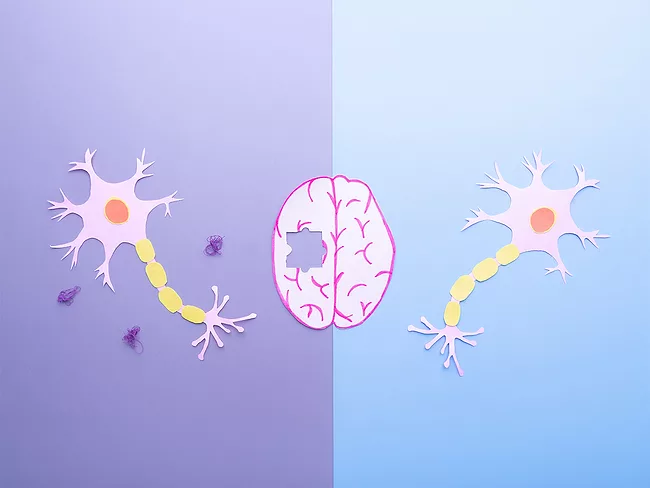
Parkinson’s disease is a progressive neurodegenerative disorder best known for its motor symptoms. However, a proportion of patients also develop dementia as the condition advances. Yet the biological divide between those who experience this cognitive decline and those who do not has remained an open question. Are they different conditions or simply stages of the same disease?
Researchers from the Indian Institute of Technology Bombay have reported the preclinical development of a new synthetic antimicrobial class incorporating organic metallophores, which yielded two optimized leads – VY-AD-4-11-6 and VY-AD-4-22-6 – from a 30-compound SAR series.
IKZF1-4 are transcription factors that regulate cellular differentiation, proliferation and survival. At the American Chemical Society (ACS) Spring 2026 meeting this week in Atlanta, Bristol Myers Squibb Co. detailed the identification and preclinical profile of BMS-986482, a next-generation investigational cereblon E3 ligase modulator (CELMoD) degrader designed to target IKZF1-4 factors.
Multispecifics took center stage at this year’s ESMO TAT, emerging as one of the hottest trends in oncology research. Unlike traditional small-molecule drugs or monoclonal antibodies that typically target a single protein, multispecific compounds are engineered to harness multiple mechanisms of action within a single molecule. They orchestrate biology rather than just blocking it.
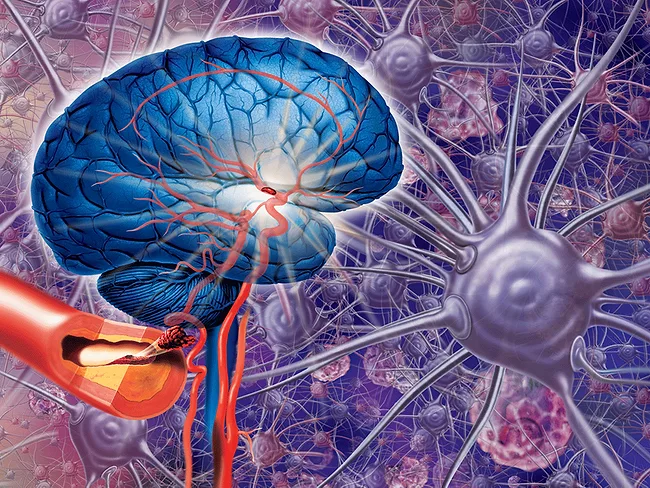
Sichuan Primed Shines Bio-Tech Co. Ltd. researchers have published results on their investigation regarding SYW-06 oral dosing and its impact on cognitive function in monkeys submitted to middle-cerebral artery occlusion (MCAO).
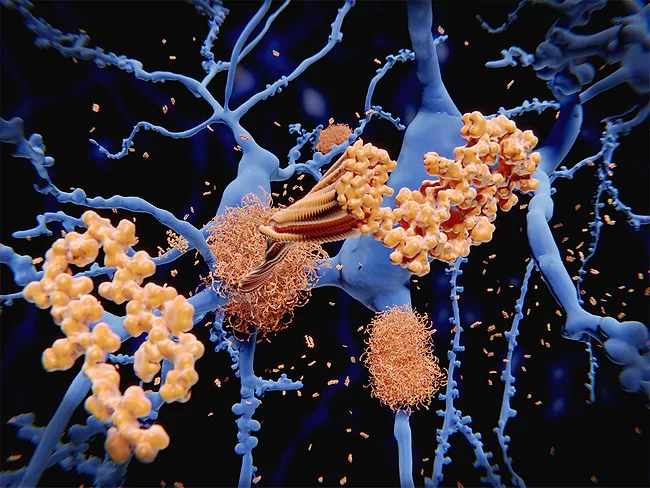
The potent carboxypeptidase enzyme protective protein cathepsin A (PPCA) is known to cleave the C-terminus of amyloid-β42, responsible for aggregation and oligomer stability, and may reduce both intracellular and extracellular amyloid-β aggregates in the brain. Amlogenyx Inc. has presented data regarding their approach based on PPCA delivery through an adenoviral vector (AAV9), namely AM-805, for the potential treatment of Alzheimer’s disease (AD).
Microglia play a central role in the neuroinflammation associated with Alzheimer’s disease (AD). These cells act as the brain’s immune system and respond to damage signals such as amyloid accumulation. When the process starts, the initial microglial response can be protective. However, in later stages, this response becomes dysfunctional and contributes to disease progression. At the 20th International Conference on Alzheimer’s and Parkinson’s Diseases (AD/PD), scientists focused on TREM2, a microglial receptor that regulates immune responses, exploring new ways to address neuroinflammation.
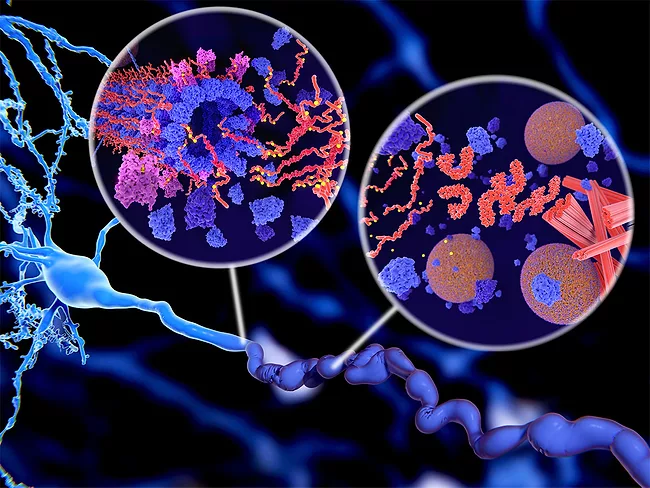
To overcome the limitations regarding conventional immunotherapy for treating tauopathies, researchers from Sanofi SA aimed to improve brain exposure and targeting pathological tau species by optimizing antibody design.
Discoveric Bio Alpha Ltd. and collaborators have presented data regarding the rationale and design of NIDB-3101, a third-generation, human IgG1 anti-tau biparatopic antibody for the treatment of Alzheimer’s disease (AD).

 RSS
RSS