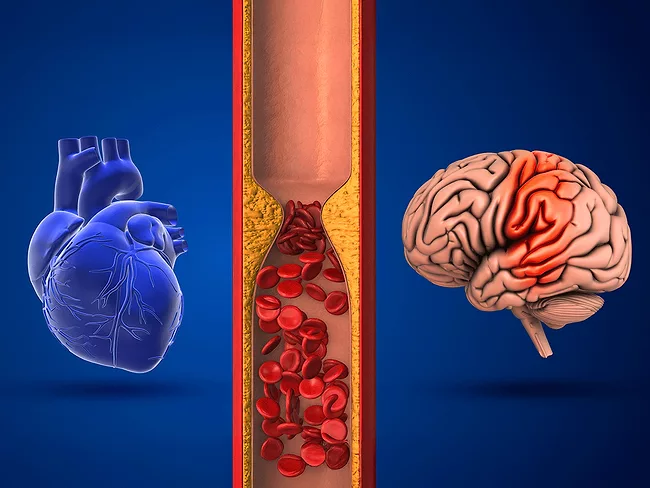
Doctors and device makers are habituated to the notion that more devices equal better outcomes, but one presenter at this year’s Transcatheter Cardiovascular Therapeutics meeting in San Francisco argued that this is not always the case. James McCabe of Beth Israel Deaconess Medical Center in Boston said cardiologists may want to start thinking about whether a cardiology implant should stay implanted, a mindset that is anything but intuitively attractive to the modern practicing physician.
In San Francisco, the first day of Transcatheter Cardiovascular Therapeutics 2025 annual meeting offered presentations on the future of the convergence of devices, drugs and AI. The takeaway from the session seems to be that while the future is bright, it will become the present only when payers can find an economic argument to pay for the advances formed by this convergence.
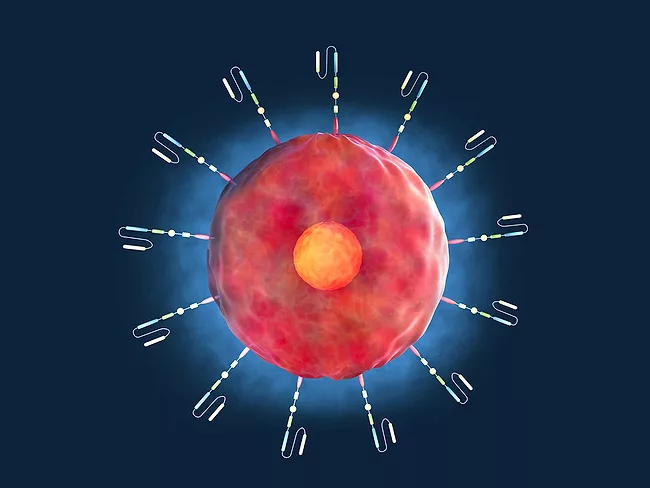
Grail LLC has presented data showing that when added to standard screening procedures for breast, cervical, colorectal and lung cancers, its Galleri circulating tumor DNA test led to a sevenfold increase in the number of cancers detected.
While recent advances in gene therapy have offered unprecedented options for patients with hemophilia, new data presented at the 32nd Annual Congress of the European Society of Gene and Cell Therapy (ESGCT), held in Seville Oct. 7-10, revealed persistent concerns regarding the durability of these treatments and their potential liver toxicity.
As the many challenges facing cell therapies are being addressed, the CAR T field continues to evolve beyond its original design of T cells engineered to target hematological malignancies. During the 32nd Annual Congress of the European Society of Gene and Cell Therapy (ESGCT), held in Seville Oct. 7-10, several studies showed how this technology is being redefined as programmable and adaptable immune cells with expanded functional versatility.
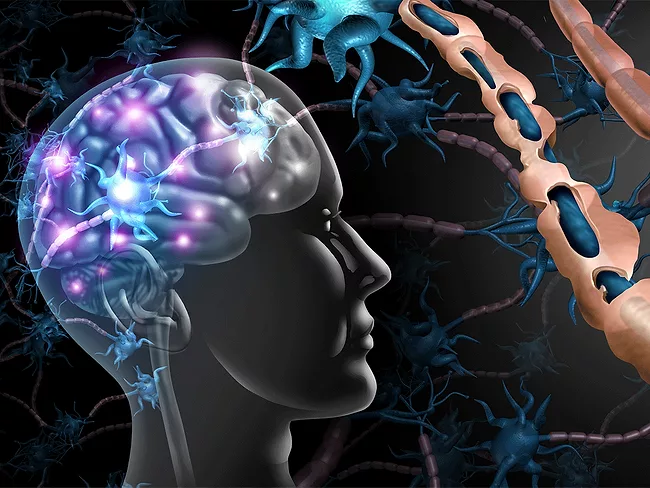
Is there a link between cellular senescence and multiple sclerosis (MS) progression? Several presentations at this year’s European Committee for Treatment and Research in Multiple Sclerosis 2025 (ECTRIMS 2025) conference, in Barcelona, which ended Sept. 26, addressed this question
“The comment I hear a lot from scientists … is that science has no borders,” Arif Noorani, partner at Sidley Austin LLP, said while addressing the panel audience at Asia Bio 2025 in Singapore. “I agree, but the reality is, we do have a lot of borders.”
Subtyping is what made precision medicine in cancer a reality. And for successful drug discovery in all its stages, finding subtypes in Alzheimer’s disease is all but imperative.
In recognition of the fact that diversity, equity and inclusion are necessary prerequisites for precision medicine, the European Academy of Neurology announced the launch of a DEI Hub at its 11th Congress, which is being held in Helsinki through June 24.
 RSS
RSS