NaPi2b is a sodium-dependent phosphate transporter that is mainly responsible for phosphate homeostasis in humans. Overexpression of NaPi2b has been associated with several types of cancers such as lung, ovarian, thyroid or breast carcinomas and thus is considered a therapeutic target to exploit in these conditions.
Researchers from Revolution Medicines Inc. presented the discovery and preclinical characterization of RMC-5127, a novel noncovalent, tri-complex inhibitor of GTPase KRAS (G12V mutant), or KRAS G12V(ON).
Some cancers with a poor prognosis have had no new treatments in decades. Advances in the genetic characterization of these tumors now offer a range of possibilities for the development of new therapies that could completely change the quality of life and survival of these patients.
The North American Spine Society Annual Meeting provided a positive view of one area in orthopedics that may be immune from the effects of widespread use of GLP-1 medications. Recent data indicates volumes and seasonality have finally recovered from pandemic impacts. Major trends discussed at the conference included expanded use of robotic systems, increased customization and adoption of augmented reality technology.
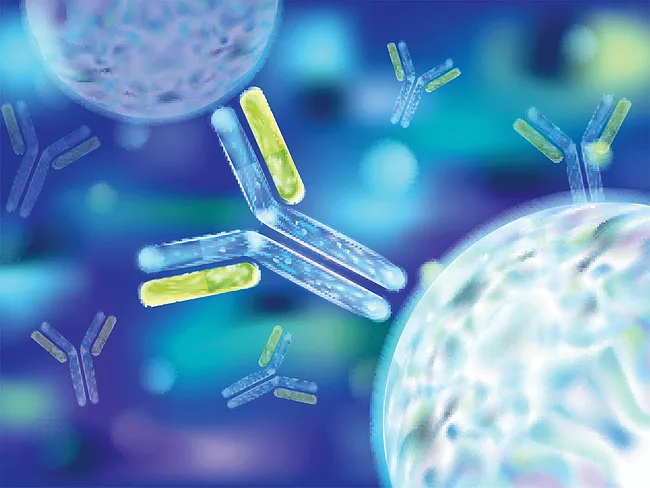
Antibody-drug conjugates (ADCs) are effective anti-cancer agents in a wide variety of solid and hematologic cancers. CD30 (TNFRSF8), a member of the TNF receptor superfamily is the target of antibody drug conjugate Adcetris (brentuximab vedotin/BV, Seagen Inc.) approved for use in multiple CD30-expressing lymphomas.
Researchers from Inventage Lab Inc. have presented preclinical data for its naltrexone-loaded microspheres, named IVL-3004, developed as long-acting injectable using the proprietary IVL-Drugfluidic technology platform.
Researchers from Bridge Biotherapeutics Inc. have presented the discovery and preclinical characterization of BBT-4437, a novel brain-penetrable and reversible pan-transcriptional enhancer factor (TEAD) inhibitor, designed to target the Hippo signaling pathway in solid tumors.
Increasing knowledge of the cancer glycome and the need for new options to overcome resistance to immune checkpoint inhibitors are leading to an expansion of glycoimmunology. Stanford University professor Carolyn Bertozzi demonstrated that cell-surface glycans may be tagged to become targetable glyco-immune checkpoints.
Huadong Medicine Co. Ltd. recently detailed the discovery and preclinical characterization of a potent and selective small-molecule glucagon-like peptide-1 receptor (GLP-1R) agonist, HDM-1002, under investigation for the treatment of type 2 diabetes and obesity.
 RSS
RSS