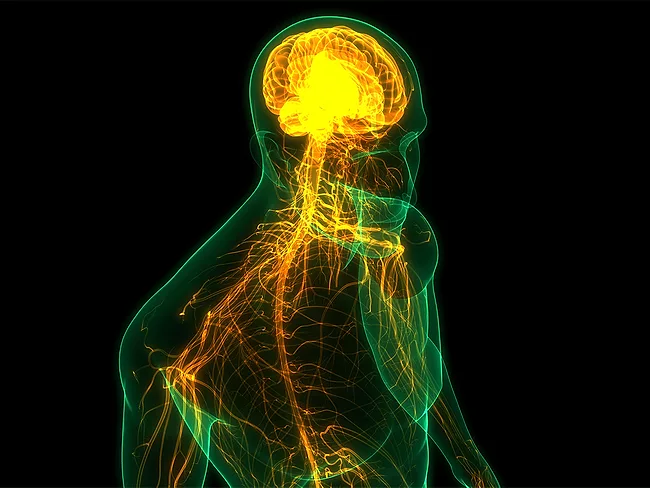
α-Synucleinopathies constitute a set of neurological disorders including Parkinson’s disease (PD), dementia with Lewy bodies, multiple systems atrophy (MSA), and other rare disorders. The development of positron emission tomography (PET) tracers for imaging α-synuclein aggregates is essential for performing efficient and accurate diagnosis, tracking disease progression and monitoring efficacy of potential therapies.
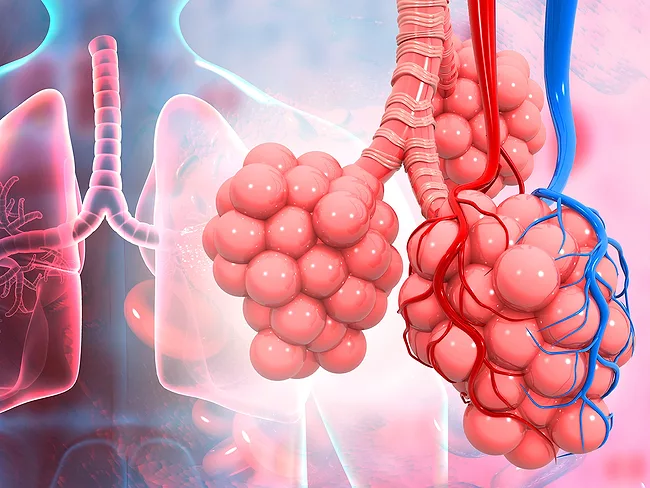
Researchers from Atux Iskay LLC assessed whether reactivation of protein phosphatase 2A (PP2A) using a small-molecule PP2A activator, ATUX-1215, could counter TGF-β signaling in preclinical models of idiopathic pulmonary fibrosis (IPF).
Charcot-Marie-Tooth disease (CMT) is a group of neuropathies characterized by sensory and motor dysfunction that progress with aging. It is considered that about 60% of the axonal forms of the disease, such as CMT2, remain genetically undiagnosed.
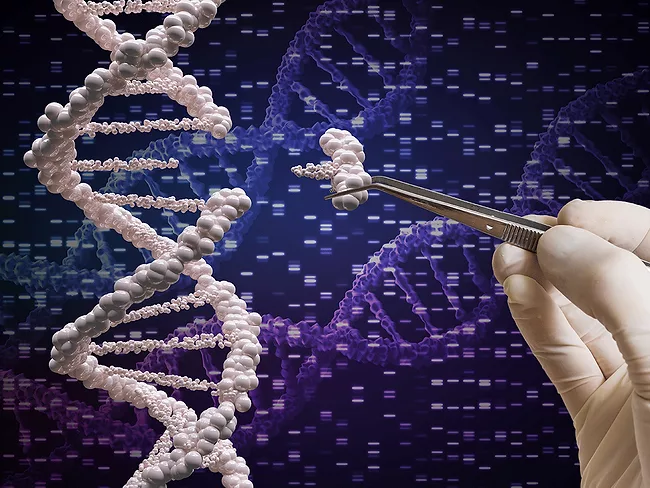
Bietti’s crystalline corneoretinal dystrophy (BCD) is an autosomal recessive inherited disease caused by mutations in the cytochrome P450 (CYP) family 4 subfamily V member 2 (CYP4V2) gene, which encodes a polyunsaturated fatty acid (PUFA) hydroxylase dominantly expressed in retinal pigment epithelium (RPE) cells.
Mutations in the RPGRIP1 gene are associated with rare retinal dystrophies and most commonly with Leber congenital amaurosis (LCA) type 6, which is characterized by vision loss, among other symptoms.
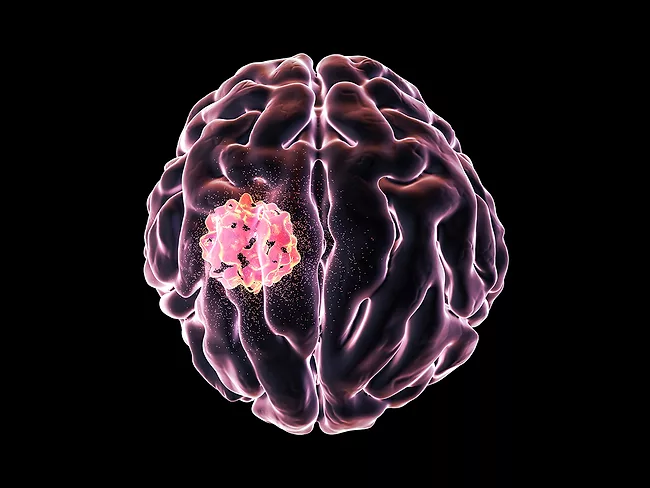
Glioblastoma multiforme (GBM) is an aggressive brain cancer with poor prognosis and survival. TNF-related apoptosis-inducing ligand (TRAIL) is a protein that induces apoptosis in cancer cells by binding death receptors type 4 and 5. Researchers at the University of North Carolina explored using hiNeuroS-TRAIL combined with the ClpP activator TR-107 as a potential treatment.
At the recent ATS meeting, Tavanta Therapeutics Inc. introduced TAVT-135, a cell-penetrating peptide (CPP) conjugate that acts as a chloride ion (Cl-) transporter. The product is currently being investigated for cystic fibrosis (CF), regardless of CF transmembrane conductance regulatory (CFTR) gene mutation status.
Sialidosis is a lysosomal storage disease caused by mutations in the NEU1 gene, which encodes sialidase neuraminidase 1. These mutations lead to enzyme deficiency and subsequently accumulation of oligosaccharides and sialylated glycopeptides in tissues and body fluids, which in turn lead to cell and organ dysfunction. There are no approved therapies. Three different AAV9 vectors encoding NEU1 were developed and tested by UMass Chan Medical School researchers in the preclinical setting in mice.

 RSS
RSS