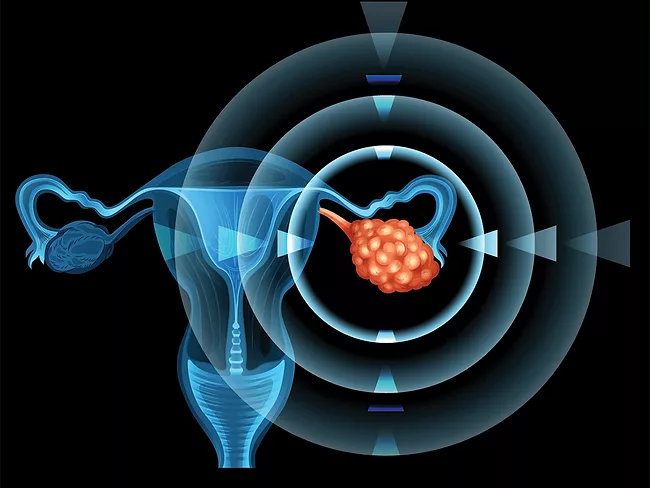
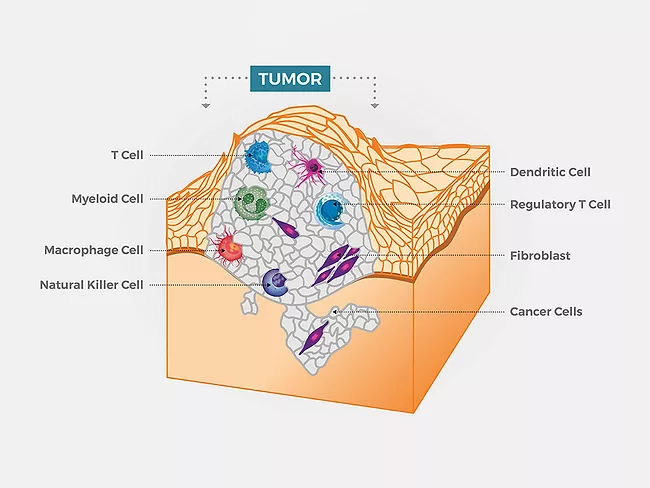
Researchers from Imperial College of Science, Technology and Medicine have reported results of preclinical evaluation of THEO-260, a novel oncolytic virus for the treatment of stromal-rich tumors. The candidate is currently in development for late-stage relapsed refractory ovarian cancer.
The WW domain binding protein 4 (WBP4) is part of the early spliceosomal complex, and it has been previously shown to enhance splicing both in vitro and in vivo, as well as to regulate alternative splicing. At the ESHG meeting, researchers from Hebrew University of Jerusalem presented data from a study that aimed to delineate WBP4 in the context of human pathologies.
New and updated preclinical and clinical data presented by biopharma firms at the European Hematology Association Congress, including: Actinium, Aptose, Cellectis, Disc, Geron, Gracell, Humanigen, Innate, Innovent, Kura, Modus, Nkarta, Salarius, Sumitomo.
New and updated preclinical and clinical data presented by biopharma firms at the American Society of Clinical Oncology annual meeting, including: Akeso, Ascentage, Astrazeneca, Chimeric, CSPC, Daiichi Sankyo, Elevation Oncology, Iaso, Immutep, Immvira, Innovent, Nkgen, Transcenta.
At the recent EAACI meeting, researchers presented preclinical data for the inflammasome inhibitor OLT-1177 (dapansutrile), which is being evaluated by Olatec Therapeutics LLC for the treatment of inflammatory diseases.
Chemokine (C-C motif) receptor 8 (CCR8), a member of the β chemokine receptor family, contributes to the recruitment and immunosuppressive function of regulatory T (Treg) cells within the tumor microenvironment.
Part of the reason for CAR T cells’ astonishing success in B-cell cancers is that B cells are astonishingly easy to replace. CAR T cells are specific, yes. But they are not specific to tumor cells. They are specific to their target antigens. In the case of Yescarta (axicabtagene ciloleucel, Gilead Sciences Inc.) and Kymriah (tisagenlecleucel, Novartis AG), the first two clinically approved T cells, that target is CD19, which is expressed on B-cell precursors. And when it is successful, the treatment leaves patients without any B cells at all.
Disc Medicine Inc.’s positive phase II data from an ongoing, open-label trial called Beacon with oral bitopertin in erythropoietic protoporphyria (EPP) and X-linked protoporphyria (XLP) whetted investor appetite for the results of the other mid-stage Disc experiment known as Aurora with the compound, due early next year.
Researchers from Eutilex Co. Ltd. have presented preclinical data for the novel V-set and immunoglobulin domain-containing 4 (VSIG4)-specific humanized monoclonal antibody, EU-103, being developed as a potential cancer immunotherapy candidate.
 RSS
RSS