New and updated preclinical and clinical data presented by biopharma firms at the American Society of Clinical Oncology annual meeting, including: Affimed, Allogene, Amgen, Apexigen, Astrazeneca, Atreca, Bayer, Blueprint, BMS, Cantargia, Catalym, Chimeric, Cogent, Compugen, CSPC, Cyteir, Day One, Daiichi, Elevation, Elicio, Evaxion, G1, Merck & Co.
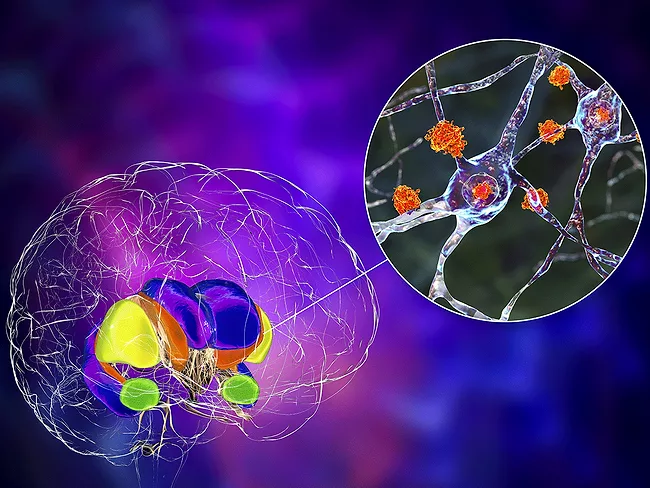
Researchers from Seelos Therapeutics Inc. presented the discovery and preclinical evaluation of a gene therapy candidate, SLS-009, for the treatment of Huntington’s disease (HD).
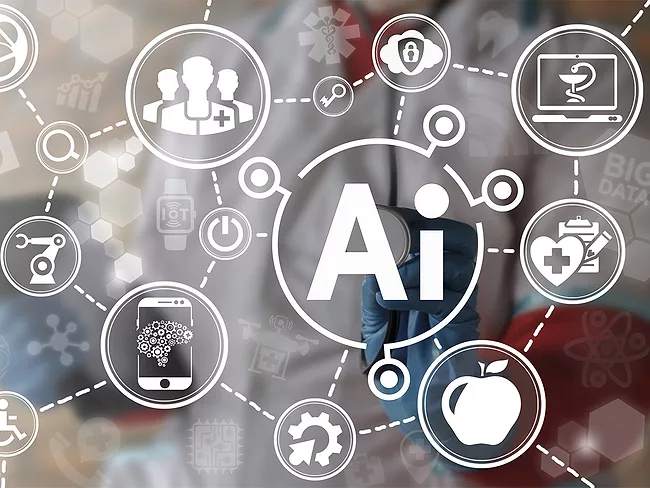
Despite the title of the Sunday, June 4 lead-off presentation at the American Society of Clinical Oncology (ASCO) meeting in Chicago, there was little room left for doubt about the increasingly important place of artificial intelligence (AI) in drug development. The program, Artificial Intelligence for Drug Development: Fad or Future, ultimately pointed to a positive future, with the only faddish part being discarded approaches that no longer work.
Impressive data continue to roll out for Day One Biopharmaceuticals Inc.’s tovorafenib in pediatric low-grade glioma, with results from 69 evaluable patients with relapsed or progressive disease showing a 67% overall response rate, as measured by Response Assessment for Neuro-Oncology High-Grade Glioma, in the phase II Firefly-1 trial.
Positive data from two studies treating early breast cancer with CDK4/6 inhibitors presented at the American Society of Clinical Oncology (ASCO) meeting in Chicago showed progress is helping patients live longer. The two treatments and companies, Novartis AG and Eli Lilly and Co., are nearly head-to-head competitors in the niche indication.
HER2-targeting bispecific antibody zanidatamab, in development by Jazz Pharmaceuticals plc and Zymeworks Inc., produced better antitumor responses than current standard of care when used as a second-line treatment for biliary tract cancer (BTC) in a pivotal phase IIb study, bringing it closer to becoming the first therapy to target HER2-expressing BTC.
Despite the title of the Sunday, June 4 lead-off presentation at the American Society of Clinical Oncology (ASCO) meeting in Chicago, there was little room left for doubt about the increasingly important place of artificial intelligence (AI) in drug development.
An unexpected burst of early summer heat and three nights of Taylor Swift performances at nearby Soldier Field didn’t deter tens of thousands of cancer vaccine and therapy developers from swarming Chicago’s McCormick Place for the first full day of presentations at the American Society of Clinical Oncology (ASCO) meeting, one of the year’s biggest cancer conferences.

 RSS
RSS