Glucocorticoid-induced tumor necrosis factor receptor (GITR) and its ligand, GITRL, are involved in immune response regulation. GITR is mainly expressed in activated T cells while GITRL is primarily found in antigen-presenting cells.
In autoimmune diseases such as inflammatory bowel disease (IBD), the function of regulatory CD8 T cells (CD8 Treg) is compromised, in part due to the expression of inhibitory KIR receptors (KIR2DL1/2/3) and insufficient inducible T-cell co-stimulator (ICOS) signaling. Mozart Therapeutics Inc. has discovered MTX-201, a new bispecific antibody targeting inhibitory KIR and ICOS that are co-expressed by CD8 Tregs.
Researchers from Walter and Eliza Hall Institute of Medical Research, The University of Melbourne and affiliated organizations presented the development of a new reporter mouse model designed to study the role of MDM2 and its transcriptional regulation in p53-mediated tumor suppression.
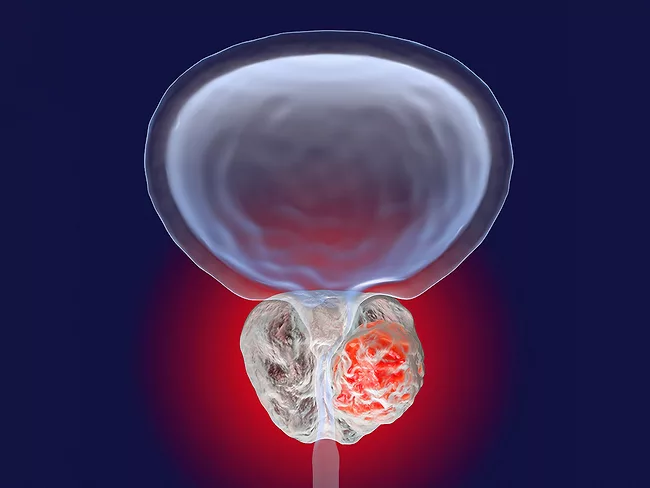
Prostate cancer is still one of the main causes of cancer death among men; while prostate-specific antigen (PSA) testing is done for screening, there are recommendations against its use due to its nonspecific and suboptimal results. There is thus an urgent need for new biomarkers that are more accurate in the detection of prostate cancer.
Previous research has shown that aberrant sphingolipid metabolism, which is evidenced by elevated levels of circulating ceramide, is associated with poor prognosis in patients with prostate cancer (PC). Work at the University of Adelaide has led to the establishment of a new syngeneic mouse model to study the role of sphingolipid metabolism in PC.
While first-generation glucagon-like peptide-1 receptor agonists have clearly taken the obesity market by storm, generating billions of dollars for Novo Nordisk A/S and Eli Lilly and Co., several other companies are developing follow-on products that could clean up the tolerability and adherence issues of Wegovy (semaglutide) and Zepbound (tirzepatide).
Researchers in from Nanjing Drum Tower Hospital have presented data from a study that investigated the role of immunoglobulin superfamily member 6 (IGSF6) microglia during ischemic stroke.
The fast pace in which the Trump administration has rolled out changes to how government and businesses operate – a disruptive effort that appears to be creating a new world order – has caught the attention of biopharma industry leaders who spoke Tuesday at the Biotechnology Innovation Organization’s CEO and Investor Conference in New York.
Microglia play a crucial role in neuroinflammation after ischemic brain injury. Previous data have shown that leukocyte immunoglobulin-like receptor B4 (LILRB4) was upregulated in mice after middle cerebral artery occlusion (MCAO), but the role it plays here is not well understood. The role LILRB4 plays in ischemic brain injury was thus investigated. LILRB4 expression was measured in mice at different time points after MCAO.
 RSS
RSS