Mesenchymal-epithelial transition factor (MET) plays a relevant role in growth, survival, migration and tissue repair. Alterations in MET have been found in non-small-cell lung cancer and head and neck cancer, and are associated with aggressive and difficult-to-treat cancer types.
Scientists at the University of Wisconsin Madison and Dana-Farber Cancer Institute recently presented preclinical data for the radiopharmaceutical therapy candidate [177Lu]PNT-6555.
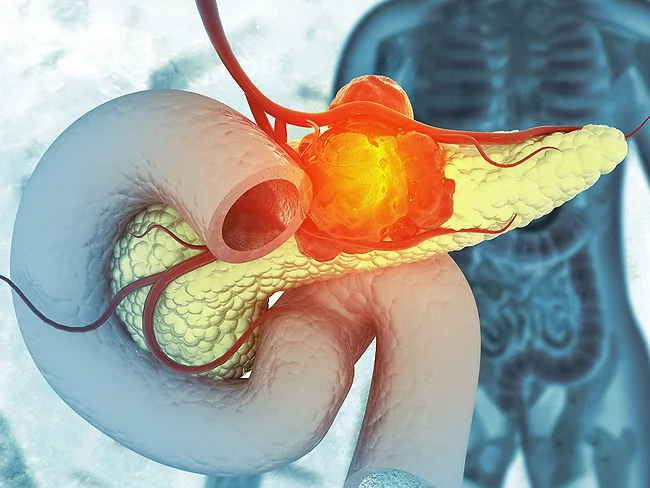
Pancreatic cancer is a challenge due to its poor prognosis and high mortality rate, highlighting the need for new therapeutic approaches. Previous findings have shown that AUS-001 inhibits β-tubulin polymerization through its unique binding to the tubulin’s colchicine site.
At the recent ASCO Gastrointestinal Cancers symposium, Cyclacel Ltd. presented preclinical data for the Polo-like kinase 1 (PLK1) inhibitor plogosertib from assessment in models of colorectal cancer.
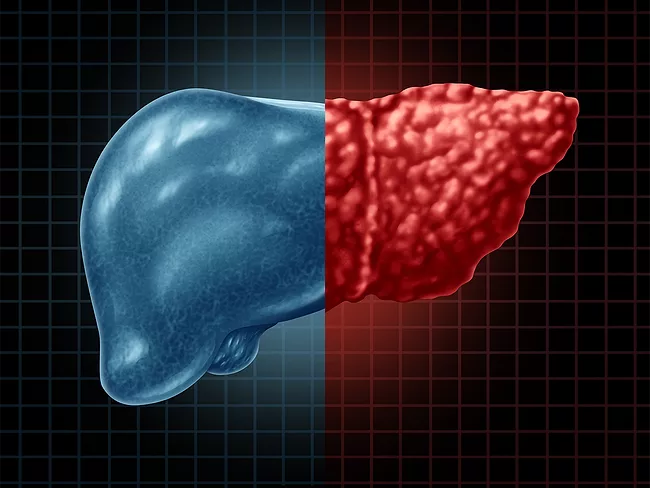
Fatty acid synthase (FASN), an enzyme that drives de novo lipogenesis, plays a relevant role in metabolic disorders such as obesity, non-alcoholic fatty liver disease (NAFLD) or type 2 diabetes. Denifanstat (TVB-2640), a FASN inhibitor, has recently shown positive results in a phase II study in patients with metabolic dysfunction-associated steatohepatitis (MASH).
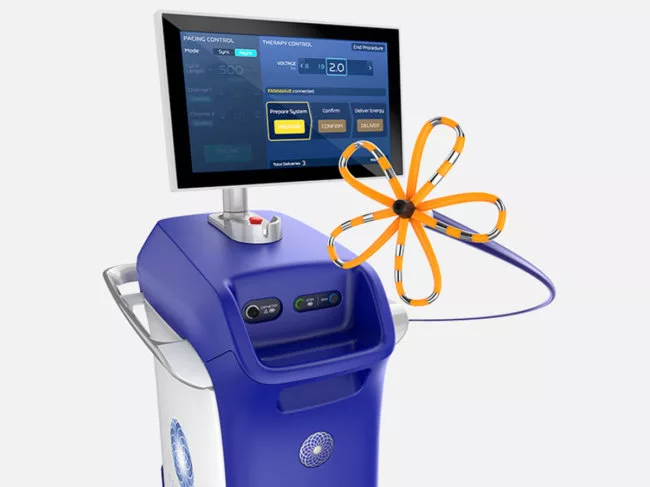
Boston Scientific Corp. reported positive data for two key atrial fibrillation therapies at AF Symposium 2025 on January 17. In late-breaking data presentations, the ADVANTAGE AF trial for the Farapulse PFA system met its primary endpoints, showing a 2.3% safety event rate and 63.5% effectiveness rate in treating persistent atrial fibrillation (AF) patients, with an 85.3% symptomatic AF recurrence-free rate. Additionally, a sub-analysis of the OPTION trial demonstrated that the Watchman FLX device significantly reduced bleeding outcomes compared to oral anticoagulants.
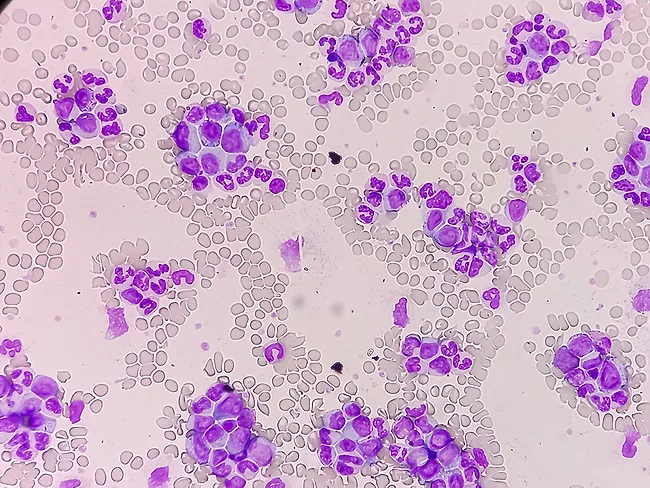
Immunoforge Co. Ltd.’s approval of an IND by the Korea Ministry of Food and Drug Safety reminded Wall Street – not that anybody needed reminding – about the marketplace jostle among therapies for chronic myeloid leukemia (CML), where a number of drugs are cleared by the U.S. FDA but significant need remains in terms of efficacy as well as tolerability.
Among the companies to provide updates at the J.P. Morgan Healthcare Conference in San Francisco was Vigil Neuroscience Inc., which has intrigued Wall Street more since the deal signed in December by Muna Therapeutics ApS, of Copenhagen, Denmark, with London-based GSK plc.
The U.S. FDA is to temper the alert it put out in November 2023 pointing to a potential risk of CAR T therapies causing de novo malignancies. “There was this issue of possible safety concerns with T-cell lymphomas, with these CAR T cells. I think this year, we are feeling reassured in this regard,” Peter Marks, director of the FDA’s Center for Biologics Evaluation and Research (CBER), told the Alliance for Regenerative Medicine briefing at the J. P. Morgan Healthcare Conference on Jan. 13.
 RSS
RSS