Roche Holding AG’s attempt to find a next-generation cancer immunotherapy has suffered a setback after the first phase III readout for an anti-TIGIT drug, tiragolumab, turned out negative. With big pharma investing heavily in TIGIT (T-cell immunoreceptor with immunoglobulin and ITIM domains), results from the company’s Skyscraper-02 trial were closely watched.
Innovent Biologics Inc. has acquired exclusive rights to commercialize Eli Lilly and Co.’s oncology drugs Cyramza (ramucirumab) and Retsevmo (selpercatinib) in mainland China, where it will be responsible for the pricing, importation, marketing, distribution and sales of the two products.
Though conceptually understood for decades, antibody-drug conjugates (ADCs) haven’t begun to come into their own until recently, but oncology drug developers continue to wrestle with challenges, large among them the problem of antigen selection. Lately, companies including names such as Adagene Inc., Bioatla Inc. and Cytomx Therapeutics Inc., have taken particular interest in exploiting features of the cancer growth itself to add more oomph, with focus on special features of the tumor microenvironment (TME).
China’s NMPA has given a green light for Walvax Biotechnology Co. Ltd.’s human papillomavirus (HPV) bivalent vaccine to be used against HPV types 16 and 18 to prevent cervical cancer.
After securing $70 million in series B funding, Chinese biotech Medilink Therapeutics Co. Ltd. is gearing up to enter the clinic with its next-generation antibody-drug conjugates (ADCs).
The beleaguered PI3K-delta inhibitor space took another blow after MEI Pharma Inc. and partner Kyowa Kirin Co. Ltd. said the U.S. FDA won’t greenlight zandelisib without data from a randomized study. The firms had hoped to win accelerated approval in relapsed/refractory follicular lymphoma and marginal zone lymphoma based on a single-arm phase II study called Tidal.
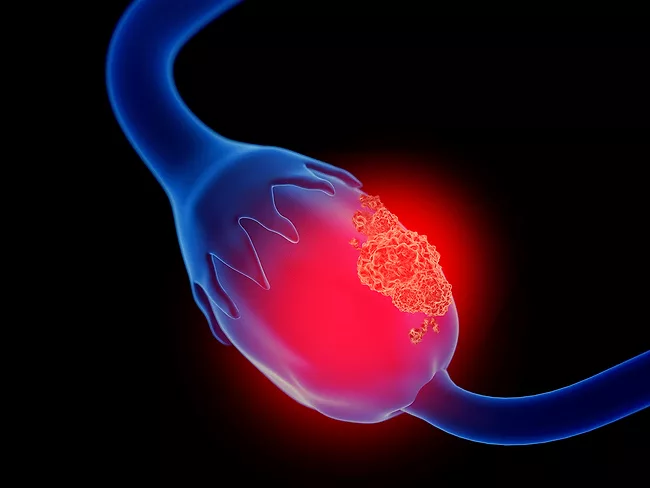
Zai Lab Ltd. has shared positive top-line data from its phase III study for PARP inhibitor Zejula (niraparib) in the treatment of newly diagnosed ovarian cancer following a response to platinum-based chemotherapy. The study, called Prime, involved 384 advanced ovarian cancer patients in China and met its primary endpoint.
Innovent Biologics Co. Ltd. and Eli Lilly and Co. are "assessing next steps" for their jointly developed PD-1 inhibitor, sintilimab, following receipt of a complete response letter (CRL) from the U.S. FDA. The pair sought approval of a BLA for sintilimab plus pemetrexed and platinum chemotherapy for the first-line treatment of people with nonsquamous non-small-cell lung cancer (NSCLC) but found near-unanimous opposition from FDA advisers dissatisfied with China-only trial data submitted in support of the application. The medicine is already approved for multiple indications in China, where it’s marketed as Tyvyt.
The U.S. FDA has approved Novartis AG’s Pluvicto (lutetium Lu 177 vipivotide tetraxetan, formerly referred to as 177Lu-PSMA-617) for treating adults with metastatic prostate-specific membrane antigen-positive metastatic castration-resistant prostate cancer. The treatment is the indication’s first FDA-approved targeted radioligand therapy that contains a radioisotope.
Shouyao Holdings Co. Ltd. raised ¥1.48 billion ($233 million) in a listing on the Shanghai STAR Market to support the company’s ongoing clinical programs, led by a second-generation anaplastic lymphoma kinase inhibitor. Company shares (SHA:688197) debuted at ¥39.90, then fell 19.5% to close at ¥32.11 on March 23.
 RSS
RSS