With the trial sites now open for its CRISPR-edited T-cell receptor immunotherapy trial, Anocca AB has raised SEK440 million (US$46 million) to fund the phase I part of the multicenter study to completion. The company’s engineered T-cell receptor T-cell therapy (TCR-T) is first being tested against KRAS mutations in pancreatic cancer.
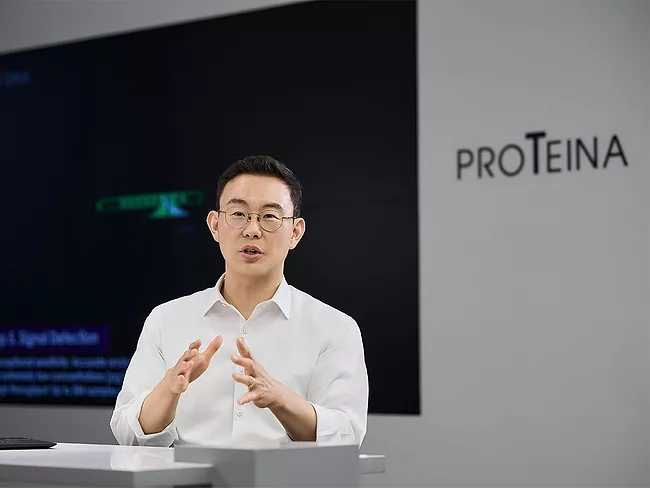
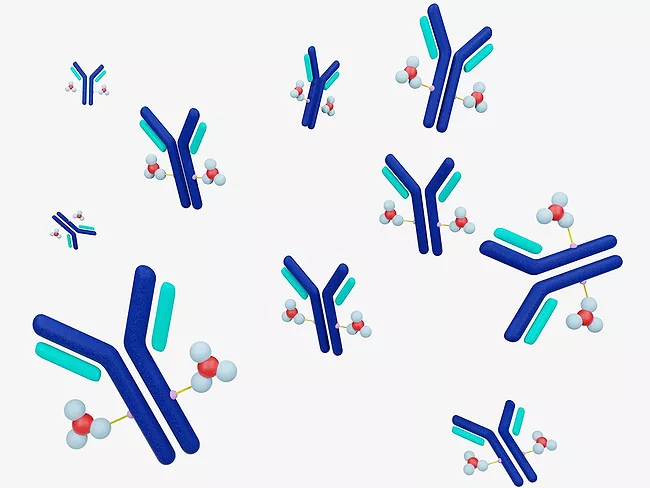
“Our mission is to apply our protein-protein interaction (PPI) big data-generation platform to create novel antibody therapeutics,” Proteina Co. Ltd. CEO Yoon Tae-young recently told BioWorld. “We have been working to build a proprietary technology platform for more than 15 years,” Yoon said, “and we take pride in the fact that we made our own technology platform, instead of running a company based on licensed-in technology.”
G2Gbio Inc. debuted on the Korea Exchange with a ₩52.2 billion (US$37.7 million) IPO Aug. 14. Nearly half of the funds raised will be used to expand Cheongju-si, South Korea-based G2Gbio’s manufacturing plants and help mass produce sustained-release injectable drug products such as GB-5001, its lead candidate in development as a once-monthly formulation of donepezil (Aricept; Eisai Co. Ltd.) for Alzheimer’s disease.
With a packed pipeline of drug candidates targeting multiple markers of cancer, Bayer AG signed on for a new project, this time going after the KRAS pathway with a global deal that could bring Kumquat Biosciences Inc. up to $1.3 billion in payments.
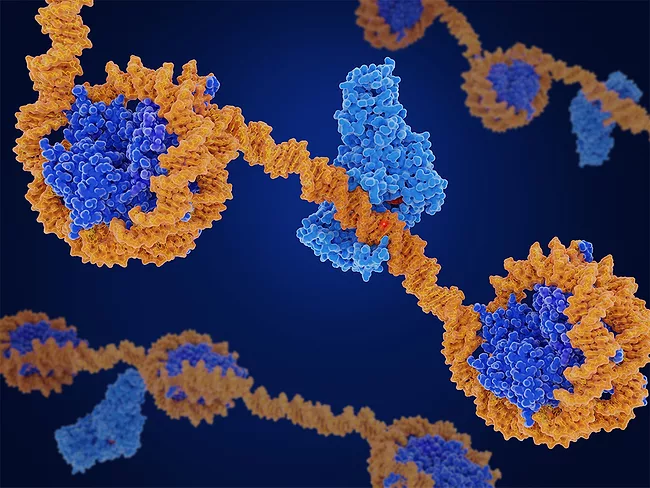
Experimental drugs that directly inhibit the NSD2 enzyme have shown potential as an effective strategy against hard-to-treat cancers, such as lung and pancreatic tumors driven by KRAS mutations. The therapeutic mechanism involves reversing a histone H3 methylation that promotes open chromatin and the expression of oncogenes.
Syntara Ltd.’s stock plummeted 52% on news that the FDA recommended an additional phase IIb trial following a type C meeting about the company’s clinical development plan for lysyl oxidase inhibitor amsulostat (SNT-5505, formerly PXS-5505) in myelofibrosis.
IO Biotech ApS will discuss this fall with the U.S. FDA the data package related to Cylembio (imsapepimut and etimupepimut, adjuvanted) after the off-the-shelf therapeutic cancer vaccine prospect missed “by a hair” the primary endpoint in a pivotal phase III melanoma trial, said CEO Mai-Britt Zocca.
Boehringer Ingelheim GmbH’s zongertinib enters the market as the first oral HER2-targeted therapy for patients with non-small-cell lung cancer, following an accelerated approval by the U.S. FDA. Branded Hernexeos, the drug is cleared for use in adults with unresectable disease or whose tumors have HER2 tyrosine kinase domain activating mutations and who have received prior systemic therapy.
Minghui Pharmaceutical Ltd. announced it is raising $131 million in a pre-IPO financing round Aug. 7. The funds will be used to advance its cancer and inflammatory disease pipeline, which include a PD-1/VEGF bispecific antibody, antibody-drug conjugates (ADCs) and a topical Janus kinase inhibitor.
In the tumor microenvironment, cancer cells activate various signaling pathways to promote their growth. This includes the formation of blood vessels. However, the circulatory system is not the only one attracted to the tumor. Researchers at Sanford Research have uncovered a mechanism to circumvent the immune response that would destroy them.

 RSS
RSS