Flindr Therapeutics BV has raised €20 million (US$21.4 million) in a series A round to advance small-molecule immune modulators aimed at targets it has identified in cancer patients who respond to existing immunotherapies.
The existence of two approved therapies, Lumakras (sotorasib, Amgen Inc.) and Karzati (adagrasib, Mirati Therapeutics Inc.), has been a triumphant success against KRAS, a protein that was once considered undruggable.
The process of manufacturing autologous T-cell therapies is technically challenging when compared with other oncology drugs, making the overall cost of developing CAR T therapies significantly higher. A challenging reimbursement environment for drugs listed on China’s National Reimbursement Drug List also means that most patients will have to pay out of pocket to access CAR T therapies. Taken together, complex logistics – production, manufacturing and supply chain – and complicated administration requirements are key bottlenecks that inflate the input costs involved in developing these specialized treatment options.
Becoming the first type II RAF inhibitor for relapsed or refractory BRAF-altered pediatric low-grade glioma, Day One Biopharmaceuticals Inc.’s Ojemda (tovorafenib, DAY-101) gained U.S. FDA accelerated approval on April 23, a week earlier than its expected PDUFA date, bringing the Brisbane, Calif.-based company a rare pediatric disease priority review voucher.
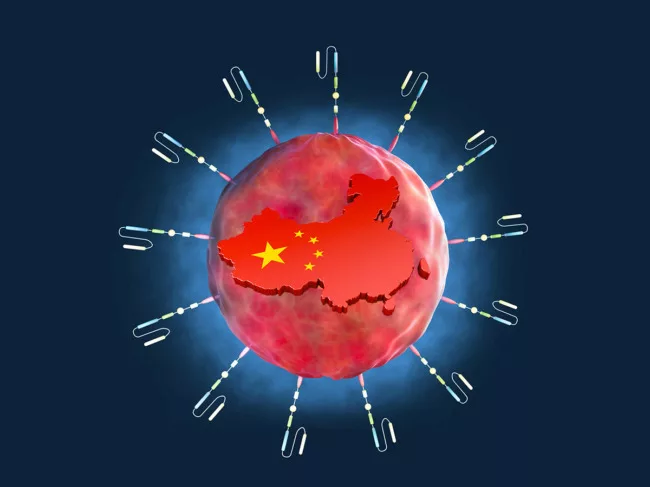
As of Jan. 31, 2024, there were more than 300 CAR T trials registered in China, surpassing the U.S. and becoming the country with the most CAR T therapy clinical trials. Among them, CD19 is the most frequently studied target, according to BioWorld and Cortellis. The rapid evolution of CAR T-cell therapies in China has escalated over the past decade from the start of the first clinical trials in 2013 to the country becoming an established host for CAR T-cell-related trials by 2017, according to Yongxian Hu and researchers from Zhejiang University in Hangzhou, China. Chinese cell therapy companies – backed by $2.37 billion in funding in 2021 – have since significantly increased basic research and trial output for CAR Ts, which was welcomed by large patient demand.
After several delays, the interleukin-15 superagonist Anktiva (nogapendekin alfa inbakicept) from Immunitybio Inc. has been approved by the U.S. FDA for treating bladder cancer, specifically Bacillus Calmette-Guérin-unresponsive non-muscle-invasive bladder cancer with carcinoma in situ, with or without papillary tumors.
Lumicell Inc. sees a brighter future now that it has secured U.S. FDA approval for both its new drug application for Lumisight (pegulicianine) optical imaging agent and premarket approval for the Lumicell direct visualization system.
Genfleet Therapeutics Inc. has entered the KRAS G12C inhibitor race in the U.S. as it gears up to begin phase III trials of GFH-925 (IBI-351) in patients with refractory metastatic colorectal cancer (CRC) following FDA clearance. GFH-925 was the first KRAS G12C inhibitor to receive breakthrough therapy designation from China's National Medical Products Administration for previously treated advanced CRC.
Synox Therapeutics Ltd. has raised $75 million in a series B round to fund phase III development of emactuzumab, an antibody in-licensed from Roche Holdings AG. The product, a colony stimulating factor 1 receptor inhibitor, was tested by Roche in a number of indications. Synox is taking it into a phase III registrational trial in tenosynovial giant cell tumor on the basis of phase II data showing an overall objective response rate of 71%.
China’s CAR T market is expected to grow from $72 million in 2022 to $342 million over the next decade. There are currently more than 400 CAR T therapies in the pipeline in China, and most of these are being developed by specialized Chinese biotechs. Research by Clarivate plc, BioWorld’s parent company, indicates that a notable proportion of CAR T-cell therapies in late-phase development in China are being developed through strategic partnerships and joint ventures between multinational corporations and domestic companies, including Johnson & Johnson and Nanjing Legend Biotech Corp., Juno Therapeutics Inc. and Wuxi Apptec Co. Ltd., and CASI Pharmaceuticals Inc. and Juventas Cell Therapy Ltd.
 RSS
RSS