HONG KONG – Qilu Pharmaceutical Ltd. has inked a deal for the global rights to Peptron Inc.’s antibody-drug conjugate (ADC) candidate PAb-001-ADC for the treatment of various cancers. Seoul, South Korea-based Peptron stands to receive an up-front payment of $3 million and $539 million in milestone payments, as well as royalties.
Genome editing startup Edigene Inc. closed a ¥400 million (US$62 million) series B+ round to expand its operation to more cities and advance its lead product ET-01 into clinical trials. The financing follows the $67 million series B that closed in October 2020.
Castle Biosciences Inc. deepened the moat around its position in melanoma diagnostics with the acquisition of Myriad Mypath LLC from Myriad Genetics Inc. The acquisition gives Castle (NASDAQ:CSTL) the Myriad Mypath Laboratory in Salt Lake City where the Mypath Melanoma 23-gene expression profile (GEP) test is owned and offered. Mypath Melanoma joins Castle's Decisiondx Diffdx-Melanoma, enabling Castle to provide comprehensive molecular testing for difficult-to-diagnose melanocytic lesions.
TORONTO – Breath analytics technology developed by Picomole Inc. and University of New Brunswick (UNB) researchers promises to identify lung cancer long before it reaches the most advanced stages of the disease. Machine learning sits at the heart of the system, evaluating raw spectral data from a patient’s breath for early diagnosis of lung cancer, Steve Graham, CEO of Moncton, New Brunswick-based Picomole, told BioWorld.
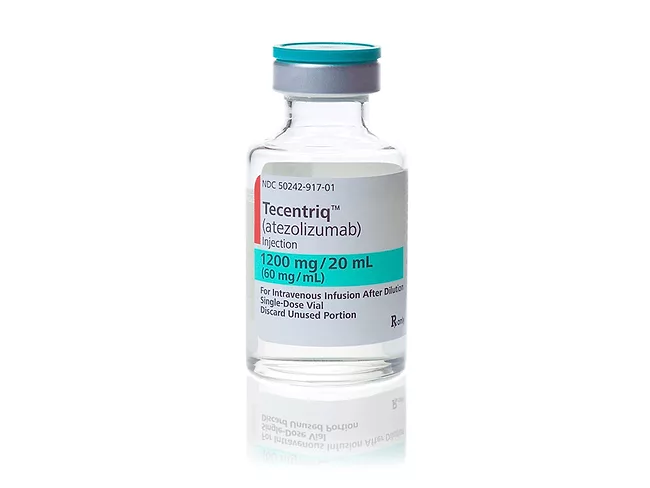
In a virtual meeting fraught with technical difficulties, the FDA’s Oncologic Drugs Advisory Committee (ODAC) voted 7-2 April 27 that the accelerated approval for Tecentriq (atezolizumab) in combination with nab-paclitaxel as a treatment for unresectable locally advanced or metastatic triple-negative breast cancer (mTNBC) in adults with PD-L1+ tumors should continue as additional trials are conducted or completed.
Being in a crowded space doesn’t bother recently installed Arch Oncology Inc. CEO Laurence Blumberg. As a matter of fact, he’s reassured by it. “There’s a lot of competition in CD47, that’s correct,” Blumberg told BioWorld. “But having been in industry for a long time, competition and the magnitude of that competition in pursuit of a target usually means there’s a good reason for that interest and that there’s compelling evidence it has utility.”

 RSS
RSS