Researchers from Prospect Therapeutics Inc. have discovered PSTA-5204, a novel oral KRAS G12D(ON) inhibitor that exhibits potent in vitro activity, strong in vivo efficacy and high selectivity over wild-type KRAS.
Aurigene Oncology Ltd. recently provided details on the discovery and preclinical characterization of AUR-243, a novel CBL-B inhibitor with a distinct therapeutic profile and best-in-class potential compared to other inhibitors. AUR-243 was described as a structurally distinct, oral small molecule demonstrating excellent potency, functional activity and superior efficacy.
A team from the University of Missouri and collaborating institutions aimed to investigate the role of ABTB2 expression in pancreatic ductal adenocarcinoma cells. To do that, they applied a comprehensive suite of functional genomics tools, including siRNA/shRNA knockdown, CRISPR-Cas9 knockout, plasmid-based overexpression and a Cre-LoxP transgenic mouse model to modulate ABTB2 expression.
Engene Holdings Inc.’s protocol amendment to its phase II trial with detalimogene voraplasmid in bladder cancer worked out in a big way, and shares of the firm closed Nov. 11 at $8.82, up $2.81, or 47%. Engene rolled out additional preliminary data from the pivotal cohort of the ongoing Legend study testing the nonviral gene therapy in high-risk, Bacillus Calmette-Guérin-unresponsive non-muscle invasive bladder cancer with carcinoma in situ, with or without concomitant papillary disease.
A four-way interagency initiative in South Korea, started in 2020, is working to bolster funding for the local medical device industry and grow homegrown devices for the global market.
Signet Therapeutics founder Haisheng Zhang is betting on organoids and AI to outsmart diffuse gastric cancer and the limits of traditional “clean” drug design.
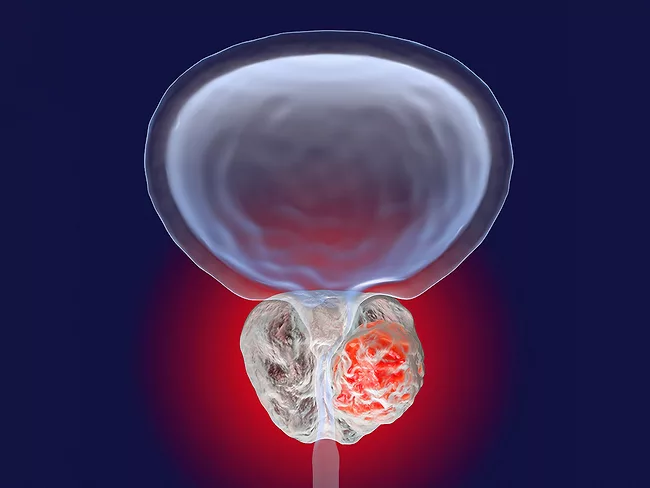
Aussie radiopharma company Advancell Co. Ltd. unveiled promising early clinical data that could redefine how advanced prostate cancer is treated by targeted alpha therapies in the radiopharmaceutical space.
Celltrion Inc. scored a hat-trick of deals to license new antibody candidates, including a $744 million deal with Kaigene Inc. Nov. 3, and a near $500 million deal with Mustbio Co. Ltd. Oct. 31.
Researchers from Nankai University and collaborating institutions have identified a novel proteolysis targeting chimera (PROTAC) molecule that effectively and selectively degrades multiple cyclin-dependent kinases (CDKs) to inhibit the proliferation of triple-negative breast cancer (TNBC) cells, offering a potential targeted therapy for this form of breast cancer.
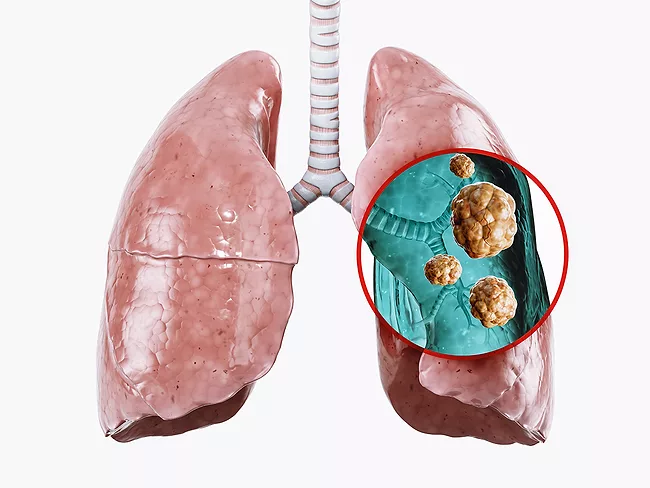
Researchers at Triana Biomedicines Inc. presented the preclinical characterization of TRI-611, a CNS-penetrant molecular glue degrader targeting ALK in models of ALK fusion-positive non-small-cell lung cancer.

 RSS
RSS