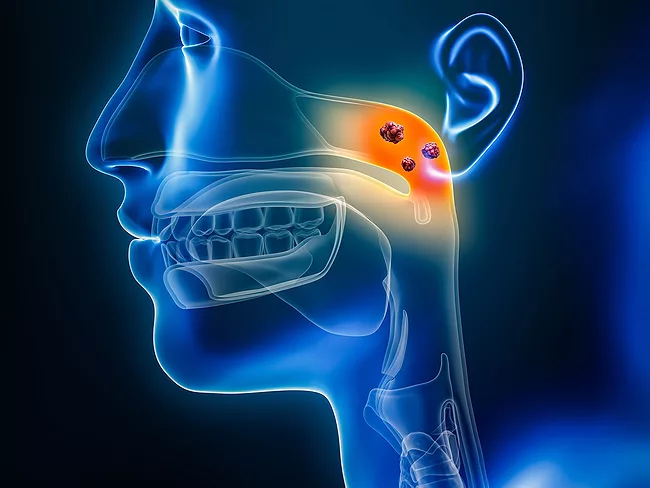
Lepu Biopharma Co. Ltd. said Oct. 30 it won Chinese approval of a novel antibody-drug conjugate (ADC), Meiyouheng (becotatug vedotin injection), making it China’s first epidermal growth factor receptor (EGFR)-directed ADC for advanced nasopharyngeal cancer (NPC).
Just as investors were looking ahead to news by year-end on Prelude Therapeutics Inc.’s SMARCA2-targeted degraders, the firm said work in the space will be halted, with efforts shifting toward the mutant selective JAK2V617F JH2 inhibitor program by way of a new deal with Incyte Corp.
Beijing Innocare Pharma Tech Co. Ltd. has synthesized E3 ubiquitin-protein ligase CBL-B (CBLB) inhibitors reported to be useful for the treatment of cancer.
At the AACR-NCI-EORTC International Conference on Molecular Targets and Cancer Therapeutics, Frontier Medicines Corp. presented a first-in-class covalent activator of p53 Y220C with high potency and selectivity in restoring p53 tumor suppressor function.
Oncolytic viruses are a potential therapeutic approach that uses viruses to selectively infect and kill cancer cells. In a new publication in Cell Reports Medicine, researchers from Heinrich-Heine-Universität Düsseldorf and Abalos Therapeutics GmbH show that tumor-tropic mutations in lymphocytic choriomeningitis virus (LCMV) enhance selective replication in cancer cells.
Early stage data from Terns Pharmaceuticals Inc.’s lead candidate showed a large reduction in the number of leukemia cells in those with previously treated chronic myeloid leukemia. Results from the ongoing phase I Cardinal study of TERN-701, an oral, allosteric BCR-ABL tyrosine kinase inhibitor, were “unprecedented,” according to Terns.
Guangdong Yinzhu Pharmaceutical Technology Co. Ltd. and Guangzhou Yinzhu Biomedical Technology Co. Ltd. have divulged triazole compounds reported to be useful for the treatment of cancer, psoriasis, rheumatoid arthritis and inflammatory bowel disease.
 RSS
RSS



.webp?height=488&t=1670008838&width=650 "Acute myeloid leukemia")