Polypid Ltd. has entered into a new research and development collaboration with Immunogenesis Inc. for the development of novel formulations utilizing Polypid’s proprietary PLEX (Polymer-Lipid Encapsulation matriX) technology and Immunogenesis’ potent STING agonist drug candidate to potentially enhance treatment for solid tumors.
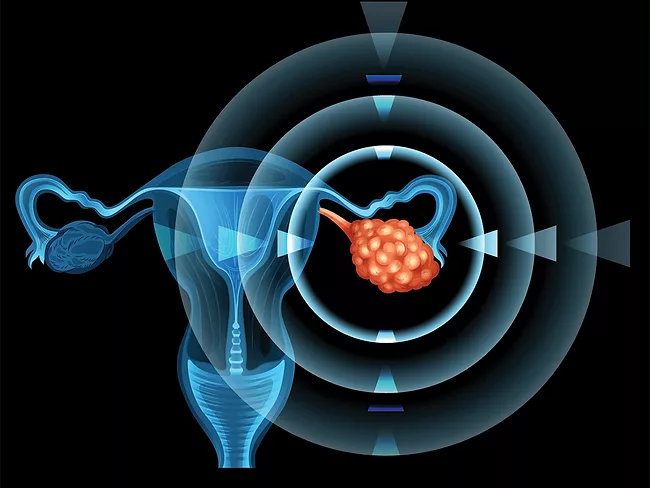
Gynecological cancers with amplifications in the CCNE1 gene, which encodes cyclin E1, usually exhibit resistance to standard therapies. Since cyclin-dependent kinase 2 (CDK2) is the primary partner of cyclin E, CDK2 inhibitors represent a potentially effective treatment strategy for these malignancies.
In a presentation at the recent American Society of Hematology meeting in San Diego, Kite Pharma Inc. reported preclinical data for KITE-753, an autologous rapid manufactured anti-CD19/CD20 CAR T-cell therapy being developed for the treatment of B-cell malignancies.
Nearly three years after being terminated as president and CEO of Cytodyn Inc., Nader Pourhassan was convicted June 9 by a U.S. federal jury for his role in a securities fraud scheme to deceive investors about the Vancouver, Wash.-based company’s development of leronlimab. The jury also convicted Kazem Kazempour, the CEO of Amarex Clinical Research LLC, a contract research organization hired by Cytodyn, for his part in the scheme.
Kura Oncology, Inc. and Kyowa Kirin Co. Ltd.’s selective oral menin inhibitor ziftomenib showed encouraging data across multiple studies, the most encouraging of which were in combination with other standard of care therapies in patients with NPM1-mutant and KMT2A-rearranged acute myeloid leukemia.
Candel Therapeutics Inc. followed this spring’s positive phase II data in pancreatic cancer with favorable results from a phase III study testing the same drug – viral immunotherapy CAN-2409 – in localized prostate cancer. Shares of Needham, Mass.-based Candel (NASDAQ:CADL) closed Dec. 11 at $7.75, up $3.14, or 68%.
Mirati Therapeutics Inc. has divulged GTPase KRAS (G12S mutant) and/or GTPase KRAS (G12C mutant) inhibitors reported to be useful for the treatment of cancer.
Scientists at Daegu-Gyeongbuk Medical Innovation Foundation and Korea Research Institute of Chemical Technology have synthesized phenaleno-isoquinolinium-based compounds reported to be useful for the treatment of cancer.

 RSS
RSS
.webp?height=488&t=1670008838&width=650 "Acute myeloid leukemia")