A patent from F. Hoffmann-La Roche Ltd. and Hoffmann-La Roche Inc. describes bicyclic heterocycle 5'-nucleotidase (CD73) inhibitors reported to be useful for the treatment of cancer.
Sanofi SA has synthesized pyridoimidazolone compounds acting as mitogen-activated protein kinase 7 (MAPK7; ERK5) inhibitors potentially useful for the treatment of cancer.
The Wiskott-Aldrich syndrome protein (WASp) is expressed exclusively in hematopoietic cells and presents either an autoinhibited or activated conformation. EG-011 is a first-in-class activator of the autoinhibited form of WASp designed for the treatment of hematological cancers.
China’s drug regulator approved Alpha Biopharma Ltd.’s EGFR tyrosine kinase inhibitor (TKI), Zorifer (zorifertinib hydrochloride tablets; AZD-3759), as a first-line treatment for EGFR-mutated non-small-cell lung cancer (NSCLC) with brain metastases.
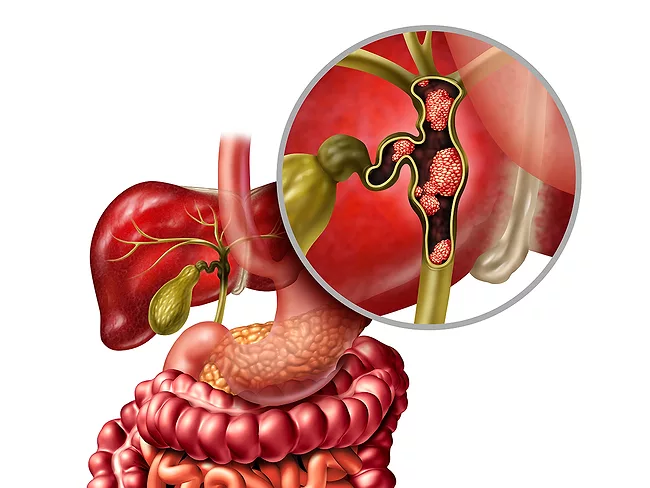
More than a week ahead of its priority PDUFA date, the U.S. FDA has greenlit the first dual HER2-targeted bispecific antibody specifically for previously treated, unresectable or metastatic HER2-positive biliary tract cancer. The approval went to Jazz Pharmaceuticals plc for Ziihera (zanidatamab), an injection given to adults every two weeks. The treatment was designed to have a more favorable profile than competitors, where drugs targeting HER2 such as Astrazeneca plc’s Enhertu (trastuzumab deruxtecan) and Roche Holding AG’s Herceptin (trastuzumab) are options, as well as checkpoint inhibitors such as Merck & Co Inc.’s Keytruda (pembrolizumab).
Kura Oncology Inc. and Kyowa Kirin Co. Ltd. have joined hands in a global strategic collaboration worth $1.49 billion to develop and commercialize ziftomenib, Kura’s selective oral menin inhibitor for treating patients with acute myeloid leukemia (AML) and other hematologic malignancies.
Radiopharmaceutical company Telix Pharmaceuticals Ltd. has inked a deal worth up to AU$264 million (US$171 million) to license and develop next-generation radiopharma imaging and therapy technology targeting fibroblast activation proteins found in a wide range of cancers.
Work at Horizon Omics Biotech Ltd. has led to the identification of quinolone derivatives reported to be useful for the treatment of cancer, autoimmune diseases, viral, bacterial and fungal infections.
Shanghai Synergy Pharmaceutical Sciences Co. Ltd. and Zhejiang Huahai Pharmaceutical Group Co. Ltd. have patented C-C chemokine receptor type 4 (CCR4) antagonists reported to be useful for the treatment of cancer, autoimmune diseases and inflammatory disorders.

 RSS
RSS