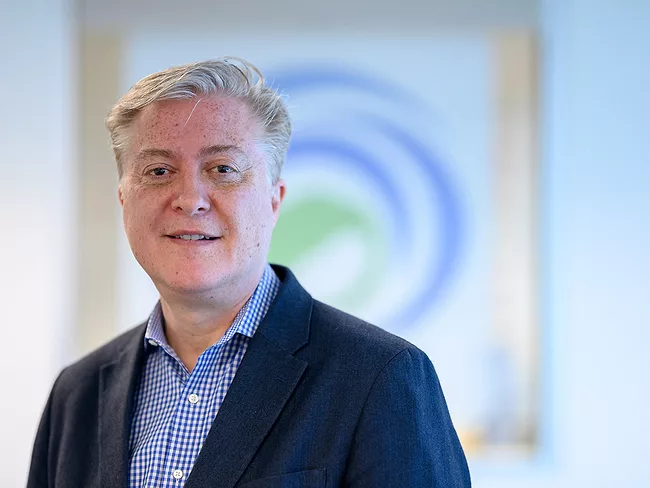
When it comes to cell therapy, Alloplex Biotherapeutics Inc. CEO Frank Borriello said he believes that autologous, personalized therapy is the only thing that makes sense. “The allure of an off-the-shelf therapy has been such a magnet. It sucked in a lot of companies into that dream, and I'm sorry to say, it hasn't really worked out for them,” he told BioWorld. Instead, Borriello said he envisioned a cell training platform that doesn’t just tweak a single immune pathway but instead harnesses multiple immune pathways to turn the tables on cancer.
China’s drug regulator approved Alpha Biopharma Ltd.’s EGFR tyrosine kinase inhibitor (TKI), Zorifer (zorifertinib hydrochloride tablets; AZD-3759), as a first-line treatment for EGFR-mutated non-small-cell lung cancer (NSCLC) with brain metastases.
Kura Oncology Inc. and Kyowa Kirin Co. Ltd. have joined hands in a global strategic collaboration worth $1.49 billion to develop and commercialize ziftomenib, Kura’s selective oral menin inhibitor for treating patients with acute myeloid leukemia (AML) and other hematologic malignancies.
The Ministry of Food and Drug Safety (MFDS) approved South Korea’s first denosumab (Prolia/Xgeva) biosimilars, developed by Celltrion Inc. under the brand names of Stoboclo/Osenvelt (CT-P41) for respective indications, a move the company hopes will help secure first-mover advantage for the drugs, currently under review in the U.S. and Europe.
Poseida Therapeutics Inc. is being bought out for $1.5 billion by partner Roche Holdings Inc. to develop allogeneic CAR T therapies to treat hematologic malignancies. The two companies began their collaboration in August 2022, a deal that brought Poseida $110 million up front and another $110 million in near-term milestone payments. With the acquisition, Roche plans to develop CAR T programs for solid tumors and autoimmune diseases with Poseida's genetic engineering platform and preclinical programs.
Radiopharmaceutical company Telix Pharmaceuticals Ltd. has inked a deal worth up to AU$264 million (US$171 million) to license and develop next-generation radiopharma imaging and therapy technology targeting fibroblast activation proteins found in a wide range of cancers.
Hebei Wutu Pharmaceutical Co. Ltd. has synthesized transient receptor potential cation channel subfamily V member 4 (TRPV4) antagonists reported to be useful for the treatment of liver cancer, cirrhosis, hepatic fibrosis, chronic hepatitis B and liver failure.
Beijing Danatlas Pharmaceutical Technology Co. Ltd. has disclosed poly(ADP-ribose) glycohydrolase (PARG) inhibitors reported to be useful for the treatment of cancer.
J Ints Bio Co. Ltd. has announced research findings with JIN-001, in development in collaboration with MD Anderson Cancer Center, for the treatment of brain tumors.
Researchers from Cogent Biosciences Inc. have presented data on their PI3KA H1047R mutant inhibitor CGT-6297 PI3KA wild-type inhibitors can lead to toxicity issues such as hyperglycemia, gastrointestinal toxicity and skin reactions.
 RSS
RSS