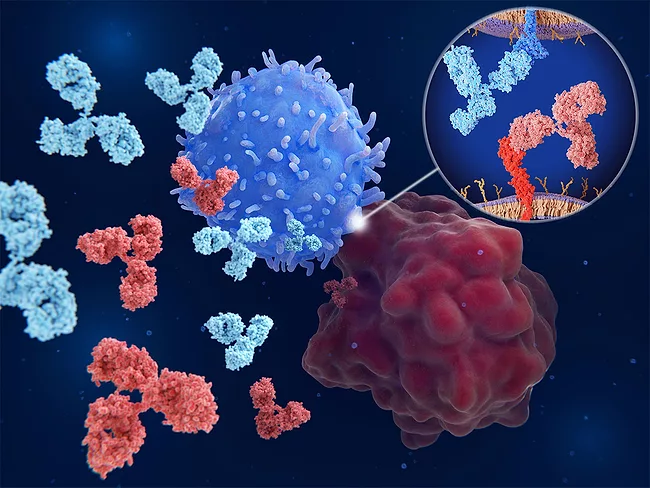
The targeted delivery of radionucleotides into tumors, known as radioimmunotherapy (RIT), has proven effective mainly in hematological cancer treatment, but its usefulness in solid tumors needs further exploration. Researchers from Oncoone Research & Development GmbH described the use of Pretarg-it, a novel pre-targeted RIT strategy that consists of ON-105 and the radioactively labeled DOTA-di-HSG peptide.
Combining multiple kinase inhibitors may present off-target risks or unbalanced inhibition among different targets, that may be solved using rationally designed small molecules. Researchers from Mekanistic Therapeutics Inc. and collaborators described the in vitro and in vivo profile of MTX-531.
Transcriptome-wide gene expression analyses revealed that oncogenic forms of NRAS, KRAS and HRAS (HRAS V12, KRAS V12 and NRAS Q61K) activated the expression of several genes, including IκBα.
Lunglife AI Inc. is looking for a strategic partner to help get Lunglb — its non-invasive test for the early detection of lung cancer — into the market and to the patients who need it. The company’s artificial intelligence-supported blood-based test, which identifies indeterminate lung nodules, will be game changing for early lung cancer diagnosis, Paul Pagano, Lunglife CEO, told BioWorld.
Shanghai Yi Zhong Xing Biotechnology Co. Ltd. has divulged serine/threonine-protein kinase/endoribonuclease IRE1 (ERN1) inhibitors reported to be useful for the treatment of cancer.
University of Florida has identified σ receptor ligands reported to be useful for the treatment of cancer, depression, neurodegeneration, stroke, pain, multiple sclerosis, schizophrenia and anxiety.
Resistance to sorafenib treatment is becoming more common in hepatocellular carcinoma (HCC). Iron is a crucial metal in the mitochondria and is used for synthesis of cofactors that are essential for the correct functioning and cell proliferation.
An article by Daiichi Sankyo Co. Ltd. scientists reports data from a study designed to assess the potential of combining pharmacological inhibition of hematopoietic progenitor kinase 1 (HPK1) with programmed cell death 1 ligand 1 (PD-L1) blockade as a novel strategy to enhance antitumor immunity against tumors with low antigenicity.
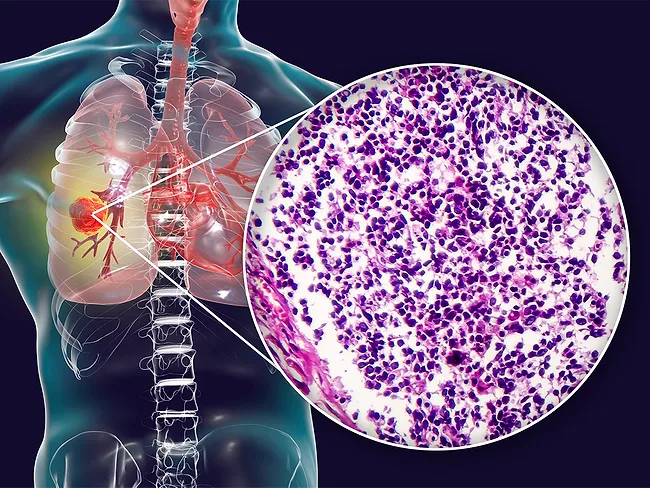
Delta-like protein 3 (DLL3) is a transmembrane protein overexpressed in the majority of neuroendocrine carcinomas of the lung such as small-cell lung cancer (SCLC). The first DLL3-targeted antibody-drug conjugate (ADC), rovalpituzumab tesirine (Rova-T), led to serious adverse events in clinical testing and its development was discontinued.
Two weeks after reporting positive top-line results in first-line head and neck cancer with its lead candidate, eftilagimod alfa, in combination with Merck & Co. Inc.’s Keytruda (pembrolizumab), Immutep Ltd. presented updated data indicating the treatment could offer a non-chemotherapy option for patients with negative PD-L1 expression. Data from cohort B of the Tacti-003 (Keynote-PNC-34) phase IIb trial, which included 31 evaluable patients with PD-L1 expression of less than 1, as measured by Combined Proportion Score, showed a 35.5% objective response rate per RECIST 1.1 assessment.

 RSS
RSS