Technological breakthroughs are changing the biopharmaceutical landscape and forcing regulators to think on their feet and facilitate (not impede) innovation, experts said at the Global Bio Conference (GBC) 2024. “Regulatory speed and agility are necessary amid emergencies to cater to unmet medical needs,” Choong May Ling, CEO of Singapore’s Health Sciences Authority, told audience members in Seoul, South Korea.
Asia Pacific is the fastest growing region for health care spending, and by 2030 APAC will account for more than 20% of global health care spending, Tom Lawry, managing director of Second Century Tech told the APACMed Forum 2024 conference held in Singapore, Sept 5-6.
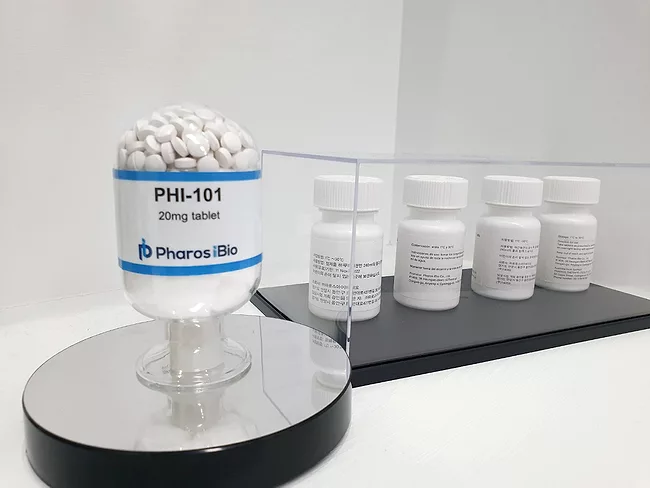
South Korean artificial intelligence-based drug developer Pharos Ibio Co. Ltd. said that the Ministry of Food and Drug Safety (MFDS) granted an orphan drug designation for PHI-101, a second-line therapy for acute myeloid leukemia (AML).
IRCCS San Raffaele, Universita Degli Studi Di Perugia and Universita Vita-Salute San Raffaele have jointly developed new oxysterols receptor LXR-α (NR1H3; LXRA) and/or LXR-β (NR1H2; LXRB) antagonists reported to be useful for the treatment of cancer, inflammatory and immunological disorders.
The University of California and the US Department of Veterans Affairs have patented androgen receptor (AR) antagonists reported to be useful for the treatment of prostate cancer.
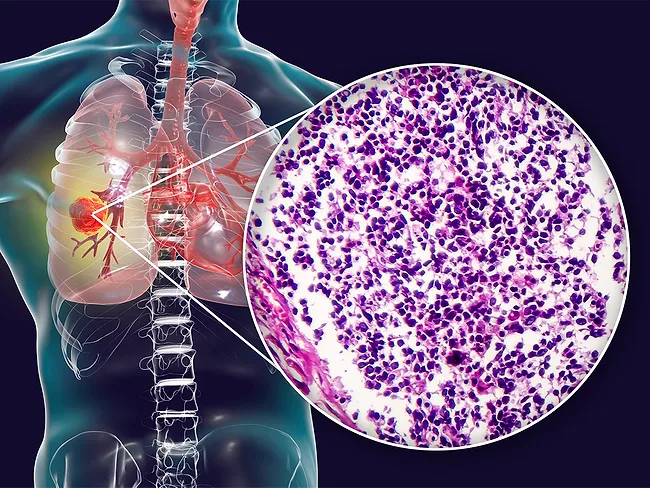
Small-cell lung cancer (SCLC) is an aggressive neuroendocrine cancer with a poor prognosis due to rapid growth, early metastases and acquired drug resistance, making it difficult to manage.
Cancer immunotherapy based on programmed death 1 ligand 1 (PD-L1) has made huge steps toward overcoming cancer, but many patients still experience poor response to anti-PD-L1 therapy or do not have a durable response.
By looking at the electrical activity of tumor cells, rather than the neurons that innervate them, investigators at Baylor College of Medicine have added both basic and translational insights to the emerging field of cancer neuroscience. In their studies, which were published in Cancer Cell on Sept. 5, 2024, the researchers identified the cell of origin for IDH-mutated gliomas.
With positive first-in-human findings on board, Relay Therapeutics Inc. plans a pivotal study next year to test RLY-2608, an allosteric, pan-mutant and isoform-selective inhibitor of PI3K alpha in breast cancer. During a conference call on the data, TD Cowen analyst Yaron Werber noted that “next year’s going to be a pretty busy year for you. How fast can you start the phase III? Is there any way to pull it into the first half of the year as opposed to the second half?” CEO Sanjiv Patel said the company is “moving as fast as we possibly can,” and an update will be provided once a sit-down with regulators is finished.
More than three months ago, investors first learned that ivonescimab, a PD-1/VEGF-targeting bispecific antibody from Summit Therapeutics and Akeso Pharmaceuticals Inc., bested Keytruda (pembrolizumab) in PD-L1-positive non-small-cell lung cancer (NSCLC). At the 2024 World Conference on Lung Cancer over the weekend, Summit rolled out detailed data from the phase III Harmoni-2 trial, which included a nearly doubling of progression-free survival for ivonescimab compared to Merck & Co. Inc.’s established blockbuster drug.
 RSS
RSS