China’s National Medical Products Administration (NMPA) has accepted NDAs for Innovent Biologics Inc.’s IL-23p19 antibody picankibart to treat moderate to severe plaque psoriasis, and Lepu Biopharma’s antibody-drug conjugate MRG-003, to treat recurrent or metastatic nasopharyngeal cancer.
Jiangsu Alphamab Biopharmaceuticals Co. Ltd. is out-licensing its anti-HER2 bispecific antibody-drug conjugate, JSKN-003, to JMT-Bio Technology Co. for China rights in a deal worth up to ¥3.08 billion (US$439 million) plus sales royalties.
Akeso Pharmaceuticals Inc. scored two approvals from China’s National Medical Products Administration on Sept. 30 before the long Labor Day holiday – one for its PCSK9 inhibitor, ebronucimab, and the second to expand use of PD-1/CTLA4 bispecific antibody cadonilimab in unresectable or metastatic gastric or gastroesophageal junction adenocarcinoma, marking the second indication for cadonilimab in China.
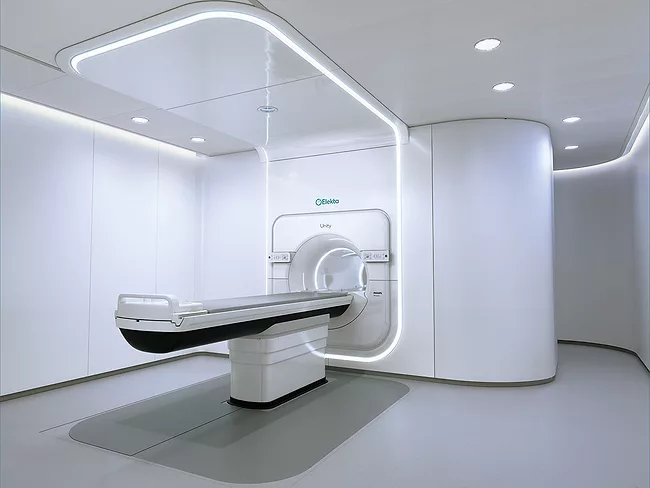
A study presented at the American Society for Radiation Oncology on Oct. 1 offers promise for the treatment of high-grade gliomas using Elekta AB’s Unity MR-Linac system.
In the year’s fourth-largest deal, Prime Medicine Inc. will collaborate with Bristol Myers Squibb Co. in a research collaboration and license agreement totaling $3.61 billion. The two companies plan to develop reagents for ex vivo T-cell therapies. While the programs and targets have yet to be disclosed, BMS is expanding its CAR T development, begun more than five years ago, with this deal.
Synnovation Therapeutics Inc. has identified Werner syndrome ATP-dependent helicase (WRN; RECQ3; RECQL2) inhibitors reported to be useful for the treatment of cancer.
Uereka Biosciences Inc. has synthesized mitogen-activated protein kinase kinase kinase 13 (MAP3K13; LZK) inhibitors reported to be useful for the treatment of cancer.
Spima Therapeutics SAS has announced its launch with a focus on developing innovative peptide-based immunotherapies for difficult-to-reach targets, especially protein-protein interactions.
Cartherics Pty Ltd. has raised over its target of AU$15 million (US$10.3 million) in an oversubscribed private financing round. Funding will support a clinical trial for CTH-401, the company’s lead cell therapy for ovarian cancer, and expand its pipeline to include other diseases.
 RSS
RSS