Exelixis Inc. has disclosed membrane-associated tyrosine- and threonine-specific Cdc2-inhibitory kinase (PKMYT1) inhibitors reported to be useful for the treatment of cancer.
Researchers from Chongqing Medical University and affiliated organizations reported findings from studies they performed to assess the role of zinc-finger protein 334 (ZNF334) in cervical cancer.
Scisparc Ltd.’s Mitocarex Bio Ltd. venture has validated the potential significant involvement of its target SLC25 carrier protein, using non-small-cell lung cancer (NSCLC) cells with diverse genetic backgrounds. Mitocarex used genetic manipulations and 3D spheroid systems, mimicking the main features of human solid tumors, to demonstrate the discovery.
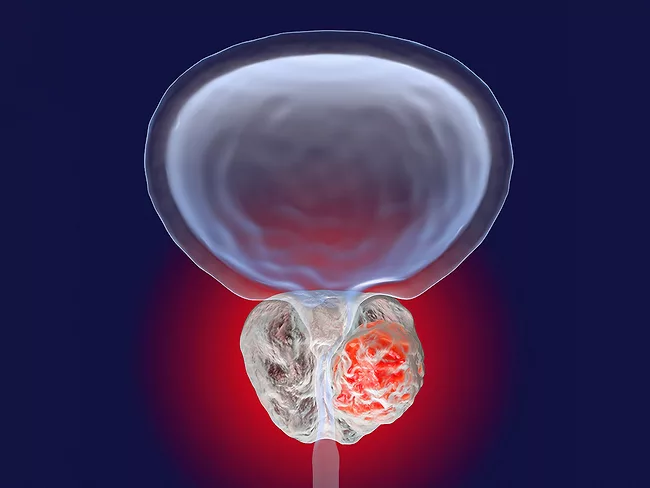
Researchers from Shandong University and affiliated organizations reported the discovery and preclinical characterization of novel 68Ga-labeled PSMA-targeting tracers for the diagnosis of prostate cancer.
The adaptation of cancer cells to therapies limits the effectiveness of treatments. However, understanding the mechanisms they use to do it could help reverse them or be used to design more powerful drugs. Scientists at New York University (NYU) have studied the transitions causing resistance and have observed how it develops through a gradual process they have called the “resistance continuum.”
Aveo Pharmaceuticals Inc., a LG Chem Ltd. subsidiary, said that Fotivda (tivozanib) in combination with Bristol Myers Squibb Co.’s Opdivo (nivolumab) failed to increase progression-free survival (PFS) in advanced kidney cancer patients in a phase III Tinivo-2 study. Despite the primary endpoint miss, Aveo noted that Fotivda alone, or as a monotherapy, in the control arm meaningfully extended median PFS, helping “further support the approved use of Fotivda as a safe and effective treatment option in relapsed or refractory advanced [renal cell carcinoma] RCC following two or more prior systemic therapies.”
Spotlight Medical SAS recently raised €6.2 million (US$6.7 million) in seed funding to bring its first artificial intelligence-powered cancer test to the market as it looks to transform treatment of the disease. “We believe our personalized testing approach will revolutionize cancer treatment, providing everyone with the best possible chance to beat cancer,” Sylvain Berlemont, CEO of Spotlight told BioWorld.
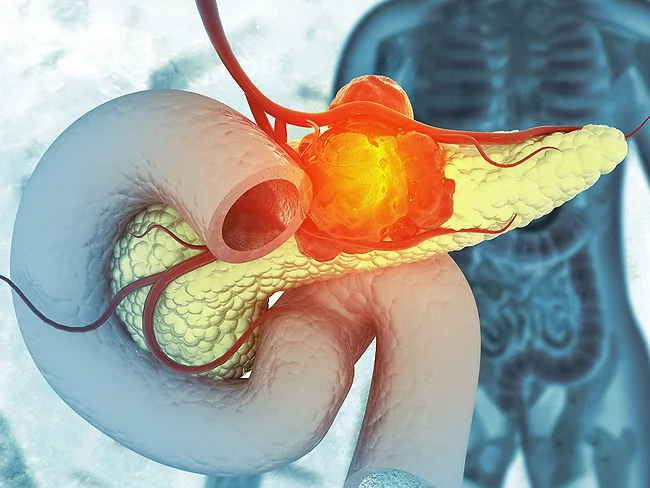
Exthera Medical Corp.’s Oncobind procedure hemoperfusion filter reduced circulating tumor cells in blood samples of patients with pancreatic cancer in a study published in Nature’s BJC Reports. "Researchers observed on average a 94% reduction in circulating tumor cells with a single use of our technology,” Exthera CEO Eric Borger said.
Gluetacs Therapeutics (Shanghai) Co. Ltd. has synthesized oxoisoindolinyl substituted piperidinedione derivative molecular glue degraders characterized as IKZF1, IKZF3 and GSPT1 degradation inducers. They are reported to be useful for the treatment of cancer, anemia, liver failure, diabetes, infections, sarcoidosis, autoimmune diseases and cardiovascular disorders.
Jiangsu Vcare Pharmatech Co. Ltd. has created new proteolysis targeting chimera (PROTAC) compounds comprising an E3 ubiquitin ligase-binding moiety covalently linked to estrogen receptor α (ER-α)-binding moiety through a linker. They are reported to be useful for the treatment of cancer and infections.

 RSS
RSS