Frontier Medicines Corp. has advanced lead candidates for further optimization in an Abbvie Inc.-partnered program targeting a key transcription factor for cancer cell survival, triggering an accompanying milestone payment.
Proteasome inhibitors such as bortezomib have shown promise in ovarian cancer treatment but limitations like route of administration or severe side effects restrict their use. Targeting proteasomal ubiquitin receptor ADRM1, also known as RPN13, has emerged as an alternative strategy and some RPN13 inhibitors are in early development.
After reaching a height in 2021, seed and series A rounds have fallen in recent years, and 2024 is no exception, although amounts raised are tracking slightly ahead of last year. On July 23, the numbers were given a boost when two new companies – namely Dover, Del.-based Brenig Therapeutics Inc. and Boston-based Third Arc Bio Inc. – raised $65 million and $165 million, respectively, in series A financings. A third new company, Abiologics Inc., also received $50 million in initial funding.
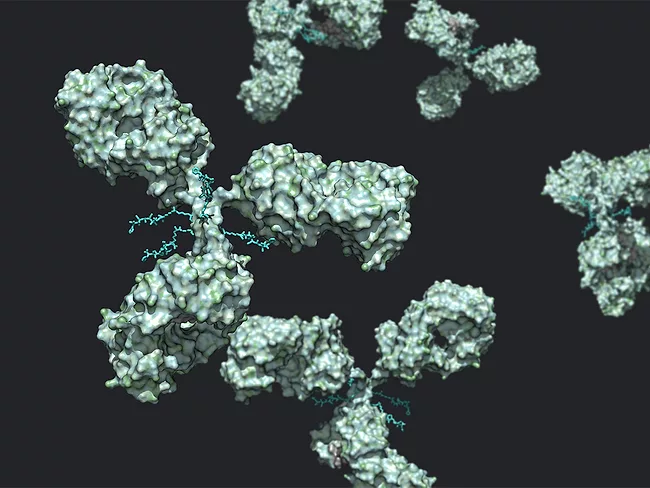
With $50 million in hand from Flagship Pioneering, Abiologics Inc. is pairing generative artificial intelligence with high-throughput chemical protein synthesis to attack oncology and immunology indications with Synteins, synthetic proteins that represent a new class of programmable medicines. Avak Kahvejian, co-founder and CEO of Abiologics and general partner at Flagship, told BioWorld that Abiologics stands “at the precipice of a completely new modality.”
Aveo Pharmaceuticals Inc., a LG Chem Ltd. subsidiary, said that Fotivda (tivozanib) in combination with Bristol Myers Squibb Co.’s Opdivo (nivolumab) failed to increase progression-free survival (PFS) in advanced kidney cancer patients in a phase III Tinivo-2 study. Despite the primary endpoint miss, Aveo noted that Fotivda alone, or as a monotherapy, in the control arm meaningfully extended median PFS, helping “further support the approved use of Fotivda as a safe and effective treatment option in relapsed or refractory advanced [renal cell carcinoma] RCC following two or more prior systemic therapies.”
Sotio Biotech AS and Biocytogen Pharmaceuticals Co. Ltd. are partnering to discover antibody-drug conjugates (ADCs) via an option and license agreement worth up to $325.5 million plus sales royalties. The deal grants Sotio of Prague, Czech Republic, the option to license multiple fully human bispecific antibodies generated with Biocytogen’s Renlite platform, which Sotio will use to develop next-generation ADCs targeting solid tumors.
As the “most concrete achievement” since its entry into the radiopharmaceutical therapy space last year, SK Biopharmaceuticals Co. Ltd. picked up rights to Full-Life Technologies Ltd.’s RPT asset, FL-091, in a deal fetching up to $571.5 million.
Paige AI Inc.’s partnership with Microsoft Corp., announced last September, appears to have paid off quickly, with a study published in Nature Medicine demonstrating that their jointly developed image-based artificial intelligence model, Virchow, detects 16 cancer types as well or better than tissue-specific clinical-grade models.
 RSS
RSS