Seoul, South Korea-based Genexine Co. Ltd. plans to merge with privately held EPD Biotherapeutics Co. Ltd. by October 2024 to build a pipeline of novel targeted protein degradation therapeutics with EPD Bio’s BioPROTAC platform technology.
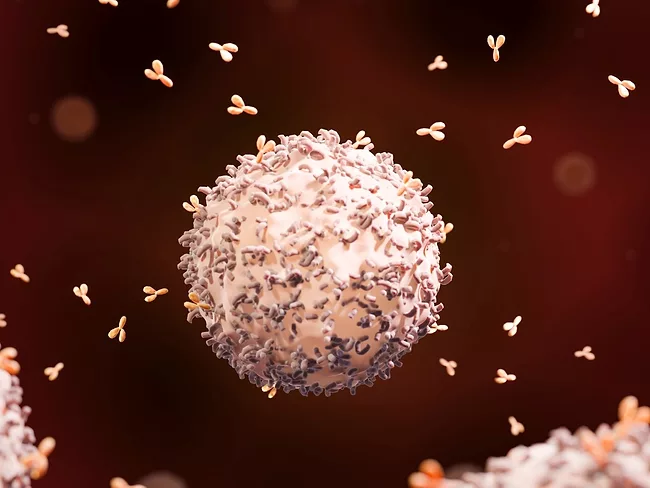
Scientists at the University of Washington have engineered human plasma B cells modified to express long-lasting bispecific antibodies that could be used to treat leukemia without requiring continuous dosing.
Researchers from the Wellcome Sanger Institute, and their collaborators at The Institute of Cancer Research, London and the University of Cambridge assessed the health impact of all possible genetic changes in the tumor protection gene, BRCA1-associated protein 1 gene.
Serac Imaging Systems Ltd. is seeing encouraging results from ongoing trials at three sites, which are comparing its Seracam portable hybrid gamma-optical camera for medical imaging to standard of care nuclear medicine imaging, Mark Rosser, CEO of the company, told BioWorld.
Nearly 80% of people in Australia and the U.S. that used Genetic Technologies Ltd.’s Genetype multi-risk assessment test showed an elevated risk for at least one disease covered by the test.
Researchers at Risen (Shanghai) Pharma Eng Co. Ltd. and Risen (Suzhou) Pharma Tech Co. Ltd. have divulged GTPase KRAS inhibitors reported to be useful for the treatment of cancer.
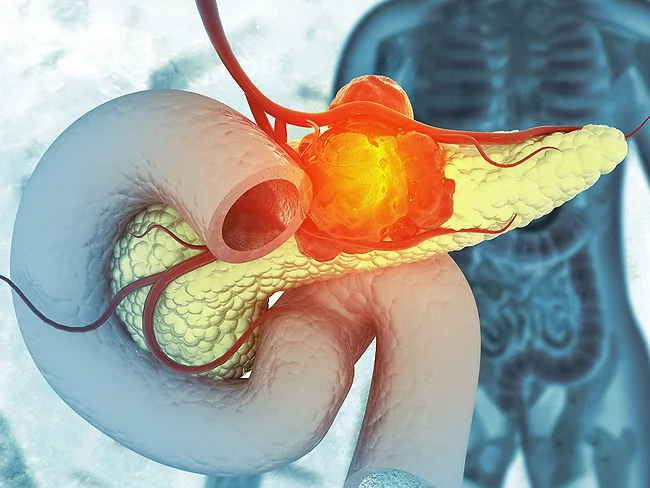
Researchers from the National Cancer Institute presented data from a study that aimed to explore the role of the major nuclear exporter protein exportin 1 (XPO1) in pancreatic neuroendocrine tumor (pNET) subsistence and therapy resistance.
Activation of the stimulator of interferon genes (STING) pathway has recently proven effective as an antiproliferative strategy in glioma and melanoma.
Craniopharyngiomas are a rare brain cancer of the suprasellar region, and despite being benign tumors, their management can be challenging. Investigators from the Children’s Hospital of Philadelphia have aimed to identify transcriptional factors that may predict recurrence of craniopharyngiomas.
Betta Pharmaceuticals Co. Ltd. has identified proteolysis targeting chimera (PROTAC) compounds comprising a Von Hippel-Lindau disease tumor suppressor (VHL) ligase binding moiety to pan GTPase KRAS (mutant) binding moiety through a linker reported to be useful for the treatment of cancer.
 RSS
RSS