Roivant Discovery Inc. has disclosed PROTACs (proteolysis targeting chimeras) comprising an E3 ubiquitin ligase binding moiety covalently linked to an E3 ubiquitin-protein ligase Mdm2 (Hdm2)-targeting moiety through a linker.
Enliven Therapeutics Inc. has identified naphthyridine compounds acting as Raf kinase inhibitors and reported to be useful for the treatment of cancer.
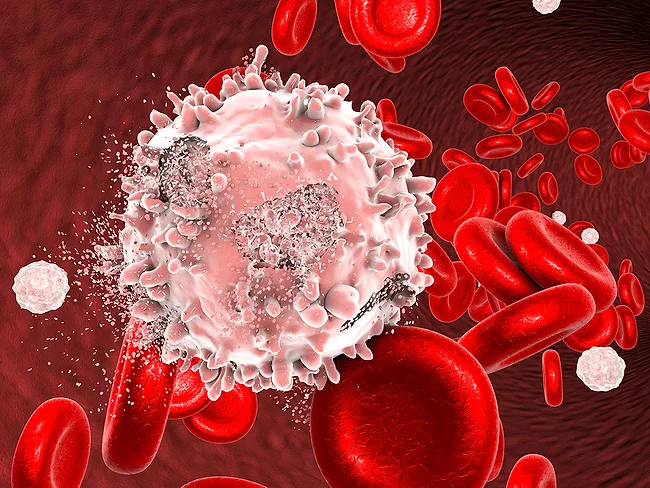
A group of scientists from Basel University Hospital have designed an antibody-drug conjugate (ADC) that eliminated blood cancer cells without attacking healthy hematopoietic stem cells (HSCs), which they modified by base editing and transplanted to renew an altered blood system. They achieved this by focusing on the panhematopoietic marker CD45.
Vorasidenib, a glioma candidate under U.S. FDA review, may bring in additional cash for Agios Pharmaceuticals Inc., this time via a deal with Royalty Pharma, which agreed to pay $905 million to Agios in exchange for the 15% royalty arrangement stemming from an earlier collaboration with Servier Pharmaceuticals LLC.
Cambridge, U.K.-based Astrazeneca plc is looking to Asia, specifically China and Singapore, to build an innovative cancer-focused pipeline filled with antibody-drug conjugates (ADC), monoclonal antibodies (MAbs) and cell therapies.
Japanese industrial conglomerate Asahi Kasei Corp. has made an offer to acquire Swedish rare diseases specialist Calliditas Therapeutics AB for SEK11.8 billion (US$1.1 billion). The offer, at an 83% premium to the closing share price of SEK113.60 on Monday, May 27, is recommended by the three biggest shareholders and the board of Calliditas, which said the company would benefit from “being part of a larger platform.”
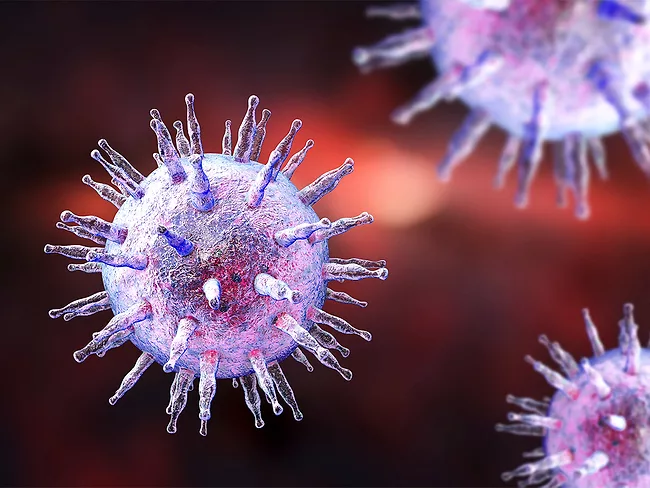
Treatment with indoleamine dioxygenase-1 (IDO1) inhibitors reduced both viremia and B cell transformation in animal models of post-transplant lymphoproliferative disorder (PTLD), while IDO1 up-regulation occurred in patients who would go on to develop PTLD. The findings, which were reported in the May 24, 2024, issue of Science by researchers from the University of Basel and the University Hospital Basel, point to new ways to predict, prevent and treat complications of Epstein-Barr virus (EBV) infection.
Oncohost Ltd. provided new details on a novel application for its proteomic pattern analysis technology at Biomed Israel last week. While its initial development focused on using a single blood sample to guide selection of first-line immunotherapy for cancer based on likelihood of response, the Prophet platform now also predicts severe adverse immune-related events, Oncohost CEO Ofer Sharon told BioWorld.
Suzhou Genhouse Bio Co. Ltd. has disclosed transcriptional coactivator YAP1/transcriptional enhancer factor (TEAD) interaction inhibitors reported to be useful for the treatment of fibrosis, skin lesions, tissue repair and regeneration and cancer.

 RSS
RSS