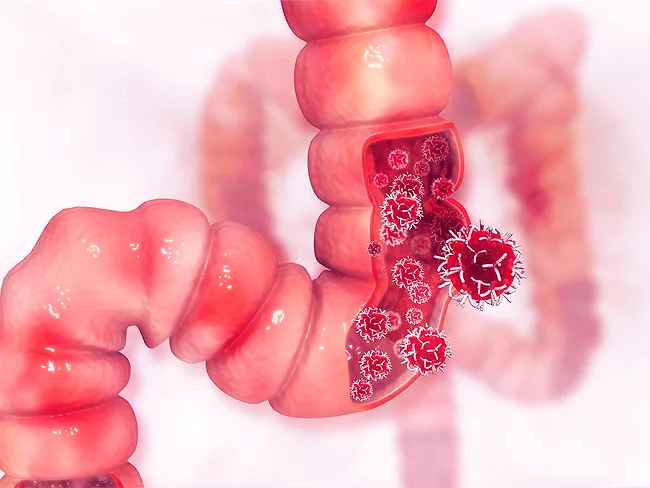
Mutations in both KRAS and BRAF oncogenes, which are frequently found in colorectal cancer, are associated with poor prognosis and treatment resistance.
Researchers have identified NIMA-related kinase 1 (NEK1) as a potential therapeutic target driving tumor growth. It was identified using Turbine Ltd.’s Simulated Cell platform when they simulated perturbations in the DNA damage response pathways. NEK1 is involved in DNA damage response, cell cycle and mitosis.
Strong early data of Janux Therapeutics Inc.’s tumor-activated T-cell engager compounds JANX-007 and JANX-008 sent the San Diego-based company’s shares surging by 229%, indicating enthusiasm for their best-in-class potential and the possibility of tapping into multibillion-dollar prostate cancer and solid tumor markets.
Curve Therapeutics Ltd. has raised £40.5 million (US$51.2 million) in a series A round to take two lead programs toward the clinic over the next three years. Since its formation in 2019, Curve has applied its Microcycle intracellular screening platform to discover a pipeline of small molecules against oncology targets that have evaded conventional approaches.
Amid intensifying competition in the PD-1/PD-L1 checkpoint space, Samsung Bioepis Co. Ltd. kicked off a phase I study of SB-27, a biosimilar of Merck & Co Inc.’s blockbuster immunotherapy, Keytruda (pembrolizumab), for lung cancer. Posted on clinicaltrials.gov on Feb. 20, the randomized, double-blind, three-arm, parallel group and multicenter phase I study will examine the pharmacokinetics, efficacy and safety of SB-27 against an EU-sourced and U.S.-sourced Keytruda in 135 patients with non-small-cell lung cancer.
Kazia Therapeutics Ltd. stopped its two-part paxalisib plus radiotherapy phase I trial early based on positive safety and promising clinical responses in patients with phosphoinositide 3-kinase pathway mutation brain metastases from solid tumors. The company plans to meet with the U.S. FDA to discuss a pivotal registrational trial.
Global interest in radiopharmaceuticals is soaring, and the global radiopharma market is expected to grow 10% over the next decade to $13.67 billion by 2032, according to a new report by Precedence Research.
Henan Medinno Pharmaceutical Technology Co. Ltd. has synthesized TGF-β receptor type-1 (TGFBR1; ALK5; SKR4; TβR-I) inhibitors reported to be useful for the treatment of cancer, aging, arteriosclerosis, diabetic nephropathy, Alzheimer’s disease, viral infections, osteoporosis and skin fibrosis, among others.
Curve Therapeutics Ltd. has closed a £40.5 million (US$51.4 million) series A financing, with the funds to be used to progress its lead assets into the clinic and to expand its drug discovery platform beyond challenging and complex intracellular protein targets.
Researchers from Compass Therapeutics Inc. reported on the preclinical characterization of CTX-8371, a bispecific tetravalent antibody that presented synergistic anti-PD-1/PD-L1 activity.
 RSS
RSS