In its second big collaboration of the past six months, privately held Tentarix Biotherapeutics LP plans to discover and develop biologics for treating oncology and immunology indications with Abbvie Inc. The deal comes at a time of change at Abbvie, which is getting a new CEO, watching the marketplace erosion of bestselling Humira (adalimumab) and digesting two major acquisitions at a cost of billions.
Blueprint Medicines Corp. found a new U.S. commercialization home for Gavreto (pralsetinib) through an agreement with Rigel Pharmaceuticals Inc. potentially worth $117.5 million, now that Roche Holding AG has relinquished all rights. The product, a once-daily oral small-molecule kinase inhibitor of wild-type RET (rearranged during transfection) and oncogenic RET fusions, received accelerated approval in 2020 by the U.S. FDA, under priority review and with orphan drug designation, to treat adults with metastatic RET fusion-positive non-small-cell lung cancer.
Work at Beijing Earthwise Technology Co. Ltd. has led to the discovery of new protein arginine N-methyltransferase 5 (PRMT5) inhibitors potentially useful for the treatment of cancer.
An Allorion Therapeutics (Guangzhou) Co. Ltd. patent discloses aminoheteroaryl CDK4/cyclin D1 inhibitors reported to be useful for the treatment of cancer.
Celgene Corp. has identified substituted imidazopyrazine compounds characterized as interleukin-1 receptor-associated kinase 3 (IRAK-3; IRAK-M) ligands and thus reported to be useful for the treatment of cancer, autoimmune diseases and inflammatory disorders.
Quinoxaline derivatives acting as phosphatidylinositol 3-kinase α (PI3Kα) (H1047R mutant) and/or (E545K mutant) inhibitors have been described in a Black Diamond Therapeutics Inc. patent.
Shanghai Apeiron Biotechnology Co. Ltd. has patented new protein arginine N-methyltransferase 5 (PRMT5) inhibitors reported to be useful for the treatment of cancer.
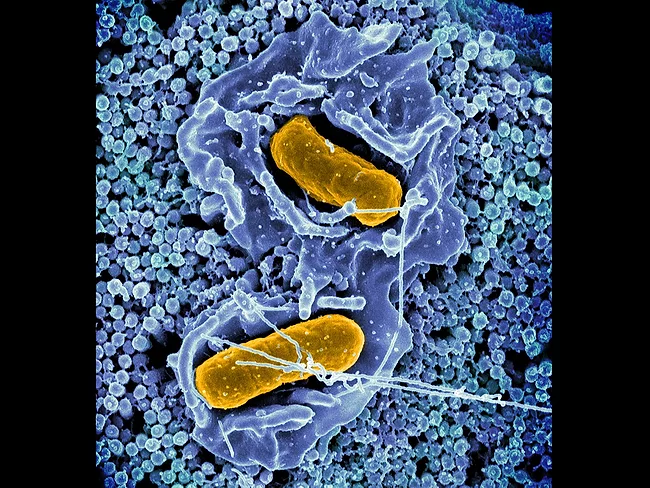
Researchers from Chonnam National University presented novel a doxycycline (Doxy)-inducible gene switch system in attenuated Salmonella typhimurium, one of the bacterial strains that has been previously shown to selectively colonize and multiply in tumors, leading to oxygen deprivation, excessive nutrient leakage, and an antitumor immune response.
Survival in metastatic breast cancer has increased in recent years, but 5-year survival rates remain below 50% and the mechanisms of spreading remain to be elucidated. An emerging strategy to inhibit the progression of tumors consists of acting on tumor-associated macrophages to displace them from an M2-like phenotype to an M1-like phenotype.
Several metabolic alterations, including a preferential use of aerobic glycolysis, facilitate autonomous proliferation and survival of tumor cells. Although previous research suggested that active glycolysis in tumor cells is closely linked to genetic alterations, the underlying regulatory mechanisms remained unknown.

 RSS
RSS