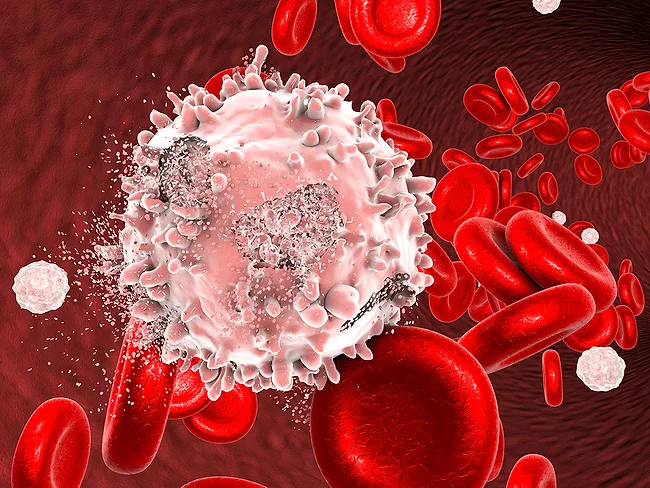
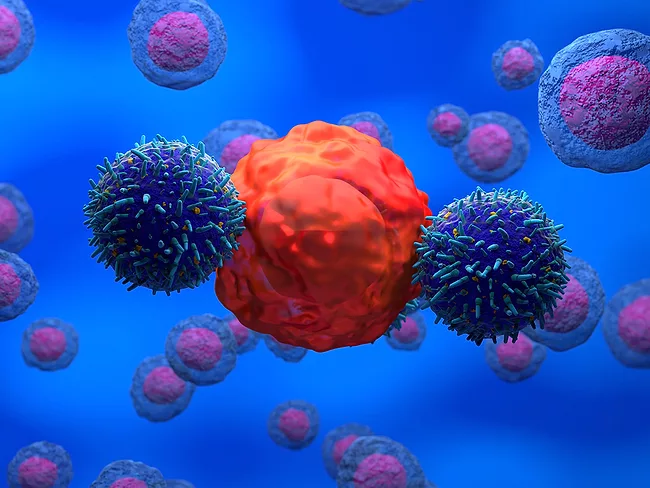
Verismo Therapeutics Inc., the U.S. subsidiary of South Korea’s HLB Co. Ltd., inked a license agreement with the University of Pennsylvania for two newly discovered CD19 binders – one of which will be used to develop Synkir-310, its investigative CAR T therapy for blood cancers.
Wigen Biomedicine Technology (Shanghai) Co. Ltd. has synthesized compounds acting as poly(ADP-ribose) polymerase (PARP; ARTD) inhibitors, preferably PARP-1, reported to be useful for the treatment of cancer.
Verismo Therapeutics Inc. has entered into a licensing agreement with the University of Pennsylvania for worldwide exclusive rights for two newly discovered anti-CD19 binders, the result of a sponsored research agreement between the two parties.
Thymidylate synthase (TS) is an enzyme essential for DNA synthesis and cell proliferation and is a potential oncoprotein itself. Consequently, TS is considered a molecular target for malignant tumors.
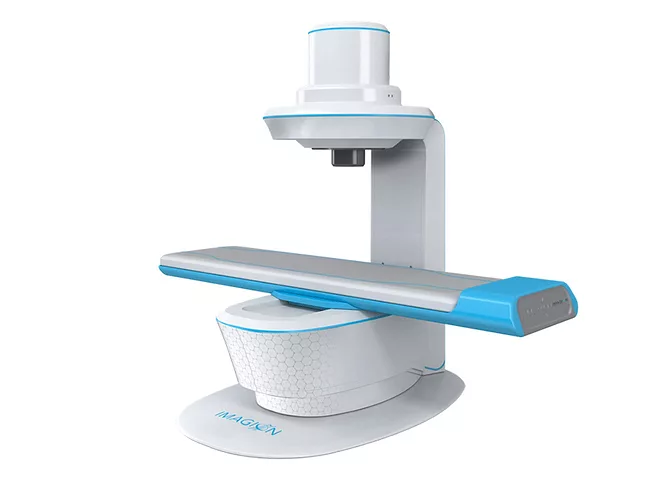
Imagion Biosystems Ltd. signed a flurry of deals recently to expand its pioneering molecular magnetic resonance imaging platform Magsense beyond Australia and into additional indications to detect cancer earlier.
Immuno-oncology company Imugene Ltd. has acquired a worldwide exclusive license to Precision Biosciences Inc.’s allogeneic CD19 CAR T-cell therapy program in a deal worth more than $227 million. The off-the-shelf CD19 CAR T-cell therapy, azercabtagene zapreleucel (azer-cel), could potentially be the first allogeneic CAR T to be approved, Imugene CEO Leslie Chong told BioWorld.
The vast variety of tumors makes each cancer a world. For researchers, understanding the commonalities and divergences in their molecular underpinnings could help find successful treatments. Scientists from the Clinical Proteomic Tumor Analysis Consortium (CPTAC) have addressed these similarities and differences in 10 different types of cancer with two proteogenomic studies to unravel the genes that lead to cancer and the galaxy of interactions that regulate them.
Jiangsu Tasly Diyi Pharmaceutical Co. Ltd. has described Wee1-like protein kinase (Wee1) inhibitors reported to be useful for the treatment of inflammation, infection, cancer, and autoimmune disease.
 RSS
RSS