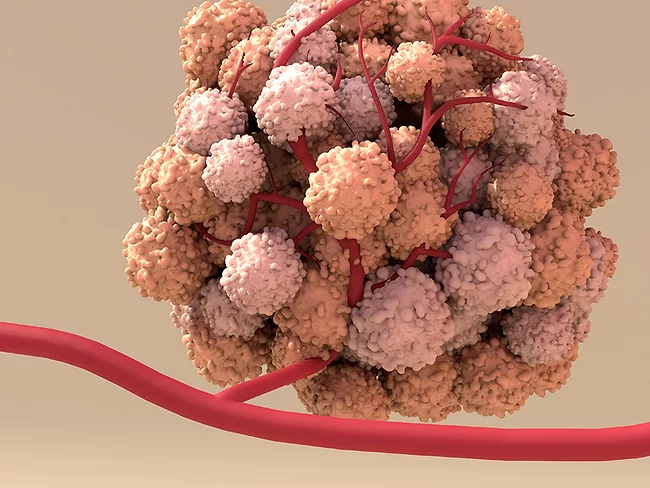
A Mayo Clinic study demonstrated how the deficiency of the enzyme CDK12 or its regulation by cyclin K causes the expression of mutations related to resistance to endocrine therapy in prostate cancer. Prostate tumors with CDK12 deficiency are more aggressive, recurrent, produce metastases and are associated with castration-resistant prostate cancer (CRPC). CDK12 deficiency impairs DNA repair and increases genomic instability, causing an effect known as homologous recombination deficiency or BRCAness.
Researchers at the Walter and Eliza Hall Institute of Medical Research (WEHI) in Melbourne, Australia, have developed a new genome editing technique than can activate any gene, including those that have been silenced, allowing new drug targets and causes of drug resistance to be explored.
CRISPR-based cell therapies continued to gain steam Sept. 27 with the announcements of a potentially valuable big pharma collaboration and an ambitious global regulatory push.
Abpro Corp. and Celltrion Healthcare Inc. entered a global partnership valued at up to $1.75 billion involving ABP-102, a bispecific antibody targeting HER2-positive cancers, a move Abpro CEO Ian Chan said would help “accelerate this type of therapy for patients in need.”
Polaris Pharmaceuticals Inc.’s pegargiminase (pegylated arginine deiminase/ADI-PEG 20) met the primary endpoint of a statistically significant improvement in overall survival and the secondary endpoint of significant improvement in progression-free survival in patients enrolled in the pivotal phase II/III Atomic study in malignant pleural mesothelioma.
Innocare Pharma Ltd. raised ¥2.92 billion (US$412 million) in a second listing on the Shanghai STAR Market. Its shares opened at ¥10.86 apiece, sliding 15.4% to close at ¥9.33 on the first trading day, Sept. 21. The company will use the proceeds to support cancer and autoimmune drug R&D, improve its drug development platform, build its sales network, and upgrade its information technology, said Chief Commercial Officer Jin Xiaodong.
Japan’s Ministry of Health, Labor and Welfare approved Daiichi Sankyo Co. Ltd.’s Ezharmia (valemetostat tosilate), the first dual inhibitor of histone methyltransferases EZH1 and EZH2 for the treatment of patients with relapsed or refractory adult T-cell leukemia and lymphoma. It’s Daiichi Sankyo’s fifth new oncology medicine approved in Japan in the past three years.
Researchers from Queensland University of Technology and Princess Alexandra Hospital in Australia have shown nucleic acid binding protein 2 (hSSB1), a DNA repair protein, to have prognostic significance for non-small-cell lung cancer (NSCLC). In an analysis of hSSB1 mRNA levels in NSCLC in online databases, higher levels were associated with poor prognosis.
Seagen Inc. and Lava Therapeutics NV have entered into an exclusive license agreement under which Seagen will work to develop, manufacture and commercialize LAVA-1223, a bispecific T-cell engager designed to target and activate Vγ9Vδ2 T cells in the presence of epidermal growth factor receptor (EGFR)-expressing solid tumors.
Scientists at Surface Oncology Inc. described data from a study that aimed to evaluate the role of IL-27, a heterodimeric cytokine that plays a role in controlling the intensity and duration of immune system responses, in cancer therapy resistance.