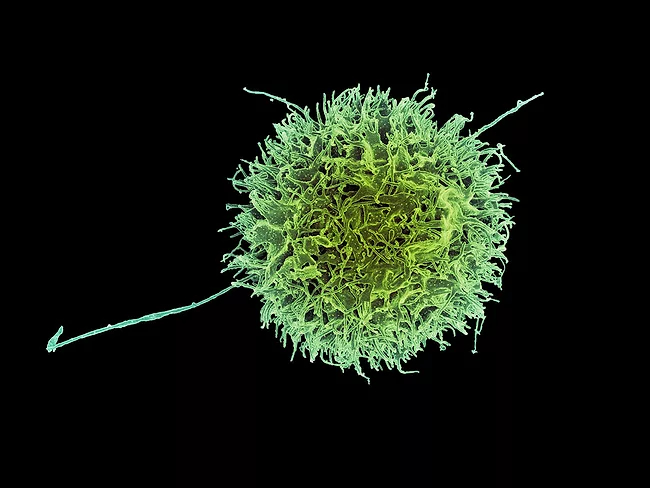
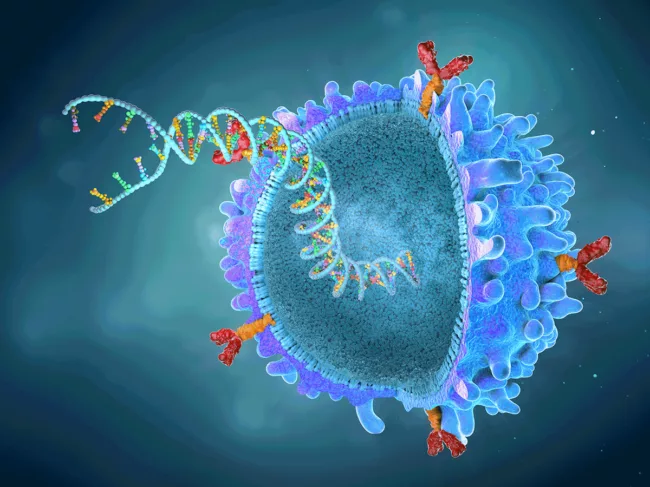
Chimeric antigen receptor (CAR) T cells are astounding. In B-cell cancers, they have been transformative. Yet engineering-wise, CAR T cells are in the equivalent of the Model T era. CAR T-cell engineering has already evolved, with the addition of costimulatory domains, which affect cell expansion and signaling. But once the cells are injected into a patient, there is really no way to affect their behavior.
In a show of commitment to Innate Pharma SA’s antibody-based natural killer cell engager therapeutics (Anket) platform, longstanding partner Sanofi SA is paying €25 million (US$26.5 million) up front and could pay up to €1.35 billion more in preclinical, clinical, regulatory, and commercial milestones for up to three development programs. Innate also stands to receive royalties on eventual product sales.
Ferring Pharmaceuticals A/S has notched another U.S. FDA approval, this time for a bladder cancer treatment, Adstiladrin (nadofaragene firadenovec). The non-replicating adenovirus vector-based gene therapy’s approval comes only weeks after the FDA’s Nov. 30 approval of the privately held company’s Rebyota (fecal microbiota, live), the first fecal microbiota treatment in the U.S. Adstiladrin is another landmark, as the first FDA-approved gene therapy to treat high-risk, non-muscle-invasive bladder cancer. Saint-Prex, Switzerland-based Ferring said it anticipates the product becoming commercially available in the U.S. in the second half of 2023.
Rearrangement of the KMT2A gene is a recurrent mutation in acute myeloid leukemia (AML) that leads to poor outcomes in patients due to increased rate of relapsed and refractory disease. The identification of novel targets and potential therapies is crucial for patients with KMT2A-rearranged leukemias.
 RSS
RSS