In 2022, neuroscience research made significant advances by understanding the role of large-scale neuronal connections in disorders. So did cancer research.
Macrocyclic compounds acting as induced myeloid leukemia cell differentiation protein Mcl-1 inhibitors have been reported in a Zeno Management Inc. patent. They are reported to be potentially useful for the treatment of cancer.
Research at Schroedinger Inc. has led to the development of son of sevenless homolog 1 (SOS1) and SOS1/GTPase KRAS (G12C mutant) interaction inhibitors potentially useful for the treatment of cancer.
Previous evidence suggests that MEK/BRAF inhibitors targeting aberrant activation of the mitogen-activated protein kinase (MAPK) signaling pathway can sensitize tumors to immunotherapy through different mechanisms. This occurs in NRAS/BRAF mutant melanoma, where kinase inhibitor treatment sensitizes tumors to immunotherapy, at least partly, through an increase in the average surface presentation of peptide major histocompatibility molecules (pMHC) molecules. However, the optimal combination, order and timing of administration of both therapeutic strategies remain unclear.
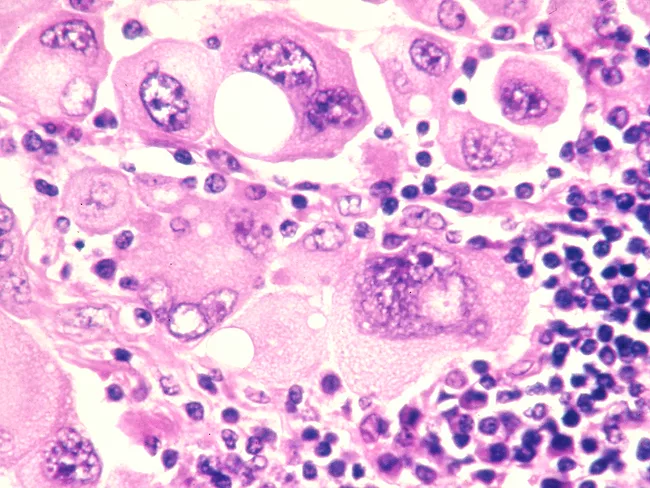
Acute myeloid leukemia (AML) is characterized by hematopoietic precursors arrested in early stages of development. Approximately 20,000 diagnoses and 11,000 deaths occur annually in the United States despite treatment advances.
Researchers from Scorpion Therapeutics Inc. presented the discovery and preclinical evaluation of a novel mutant-selective, allosteric phosphoinositide 3-kinase α (PI3Kα) inhibitor, STX-478. In vitro, STX-478 showed mutant selectivity, as it selectively inhibited the viability of cell lines with mutations in the PIK3CA kinase domain and helical domain.
Janux Therapeutics Inc. has announced that it has submitted an IND application to the FDA for JANX-008, an epidermal growth factor receptor (EGFR)-tumor-activated T cell engager (TRACTr) in development for the treatment of EGFR-expressing solid tumors, including non-small-cell lung cancer (NSCLC), colorectal cancer (CRC), renal cell carcinoma (RCC), and squamous cell carcinoma of the head and neck (SCCHN).
Deka Biosciences Inc. has submitted an IND application to the FDA for its lead oncology asset, DK2-10 (EGFR). DK2-10 (EGFR) is the first of many experimental therapeutics developed as part of Deka’s platform of molecules, with each Diakine in Deka's platform consisting of two complementary cytokines coupled together via attachment to a single chain variable fragment, enabling the cytokines to accumulate more specifically in targeted tissues.
Seekin Inc.’s cancer mutation detection kit Pancanseek for leukemia patients has received a CE-IVD mark, expanding the company’s reach in the testing space.
Two weeks ahead of its Jan. 6, 2023, PDUFA date, the U.S. FDA has approved the bispecific Lunsumio (mosunetuzumab) to treat adults with relapsed or refractory follicular lymphoma (FL) after two or more lines of systemic therapy. It’s the first bispecific antibody approved for treating any type of non-Hodgkin lymphoma (NHL). FL is the most common slow-growing form of NHL.
 RSS
RSS

.webp?height=488&t=1670008838&width=650 "Acute myeloid leukemia")