Shanghai Meiyue Biotech Development Co. Ltd. has synthesized new benzopyrimidine compounds acting as histone-lysine N-methyltransferase EHMT2 (H3-K9-HMTase 3; G9a) inhibitors potentially useful for the treatment of cancer, autoimmune disease, metabolic diseases, gastrointestinal and inflammatory disorders.
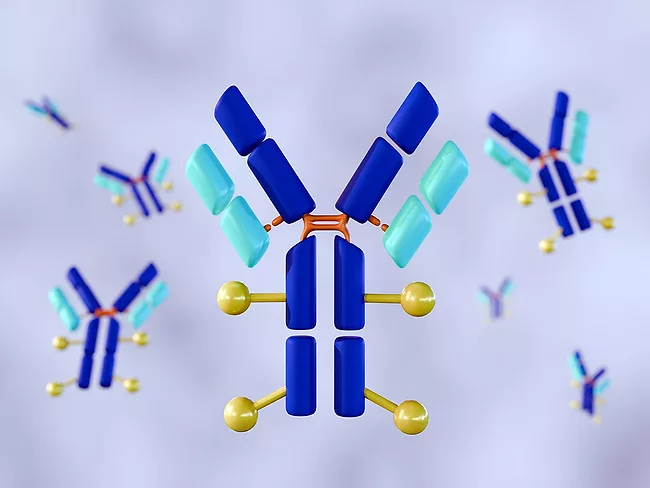
Iksuda Therapeutics Ltd. and UCL Business Ltd. have prepared new antibody-drug conjugates comprising antibodies targeting B7 homolog 3 (B7-H3, CD276) covalently linked to cytotoxic drug, designed for potential use in the treatment of cancer.
Antibody-drug conjugates (ADCs) with a dual payload, which deliver two distinct cytotoxic agents via a single antibody, are emerging therapeutics developed to address the limitations of classic ADCs. Primelink Biotherapeutics (Shenzhen) Co. Ltd. recently presented data for their dual-payload ADCs, highlighting PLB-015, which carries a TOP1 inhibitor and an ATR inhibitor with an anti-HER2 antibody and is designed to inhibit the DNA damage response activated by cancer cells when harmed.
Researchers at the School of Pharmacy and Biomolecular Sciences from the Royal College of Surgeons in Ireland and collaborating institutions have detailed the design, synthesis and biological evaluation of a new series of triazine-based multitarget inhibitors aimed at dual inhibition of PI3K and HDAC for breast cancer therapy.
Researchers from the Cleveland Clinic identified a new mechanism of AIC involving upregulated TOP2B expression and directly impacting cardiomyocyte function without the formation of TOP2B-anthracycline-DNA complexes in cardiomyocytes.
China’s National Medical Products Administration (NMPA) has granted clinical trial clearance to SYH-2095 tablets, a novel lysine acetyltransferase 6 (KAT6) inhibitor codeveloped by CSPC Pharmaceutical Group Ltd. and Hangzhou Innogate Pharma Co. Ltd. for the treatment of advanced malignant tumors. SYH-2095 received IND clearance in the U.S. last month.
Degron Therapeutics Inc. closed a $40 million series A extension round that will see the company advance its molecular glue degraders targeting previously undruggable or insufficiently drugged proteins.
Shouyao Holdings (Beijing) Co. Ltd. has reported new proto-oncogene tyrosine-protein kinase receptor Ret (RET; CDHF12; PTC) G810R mutant inhibitors potentially useful for the treatment of cancer.
Dgenthera Inc. and the University of North Carolina at Chapel Hill have jointly patented new radiolabeled bioactive compounds potentially useful for the diagnosis and treatment of cancer.

 RSS
RSS