Yantai New Drug Creation Shandong Laboratory has prepared and tested new heterocyclic amide compounds acting as ubiquitin carboxyl-terminal hydrolase 1 (USP1) inhibitors potentially useful for the treatment of cancer.
Convalife Pharmaceuticals Co. Ltd. has synthesized new polysubstituted aminoquinoline compounds acting as ADP-ribosyl cyclase/cyclic ADP-ribose hydrolase 1 (CD38) inhibitors potentially useful for the treatment of immunological disorders and cancer.
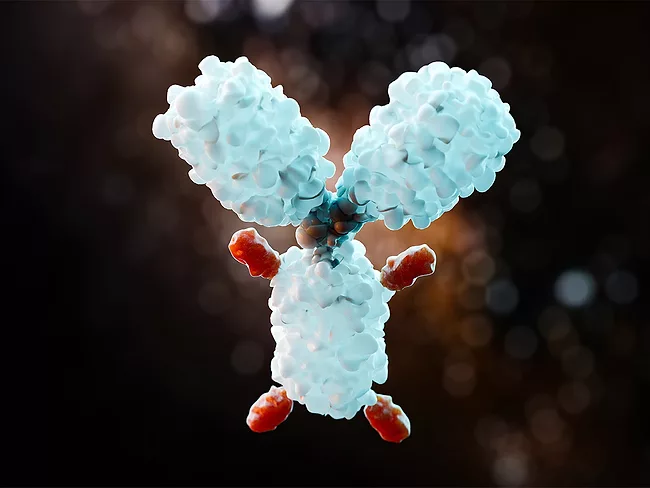
Kunshan Xinyunda Biotechnology Co. Ltd. has patented new antibody-drug conjugates (ADCs) consisting of humanized antibodies targeting disintegrin and metalloproteinase domain-containing protein 9 (ADAM9) covalently linked to a payload and potentially useful for the treatment of cancer and inflammatory disorders.
Previous work showed that RNase H2 activity helps triple-negative breast cancer (TNBC) cells manage high levels of replication stress, offering new therapeutic insights. Researchers from The University of Texas MD Anderson Cancer Center and Cleveland Clinic now show that cells escaping senescence depend on overexpression of RNase H2, which removes misincorporated ribonucleotides from genomic DNA. They confirmed that TNBCs rely on RNase H2 to tolerate high replication stress.
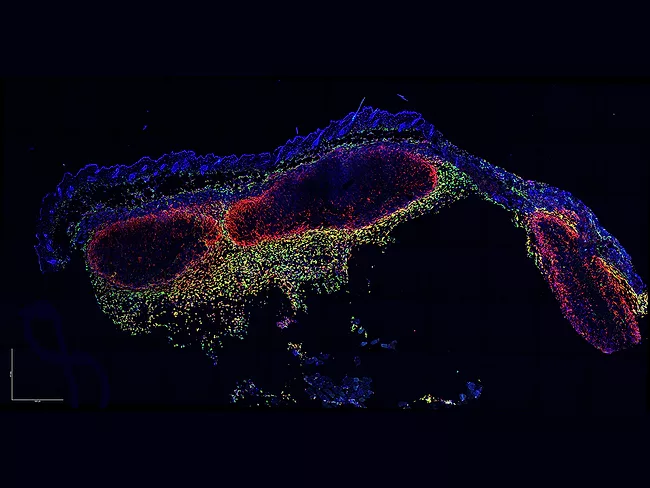
Australian researchers have identified a previously overlooked population of immune cells in the skin that physically restrain melanoma growth by engulfing live melanoma cells, and the discovery could reshape thinking around macrophage-targeted cancer therapies and innate immunity in oncology.
New regulations tighten regulatory oversight of China’s investigator-initiated trials (IITs) but legitimize the pathway that will be open to other modalities beyond cell and gene therapies.
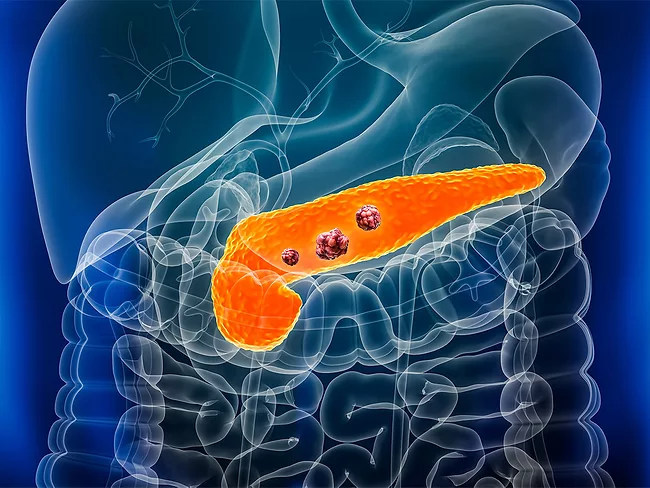
Immuneering Corp. reported a median overall survival of 17.3 months in first-line metastatic pancreatic cancer patients treated with its MEK inhibitor atebimetinib (IMM-1-104) plus modified gemcitabine/nab-paclitaxel in a phase IIa trial. Mizuho analyst Graig Suvannavejh called the results “astounding … easily beating current standard-of-care treatments.”
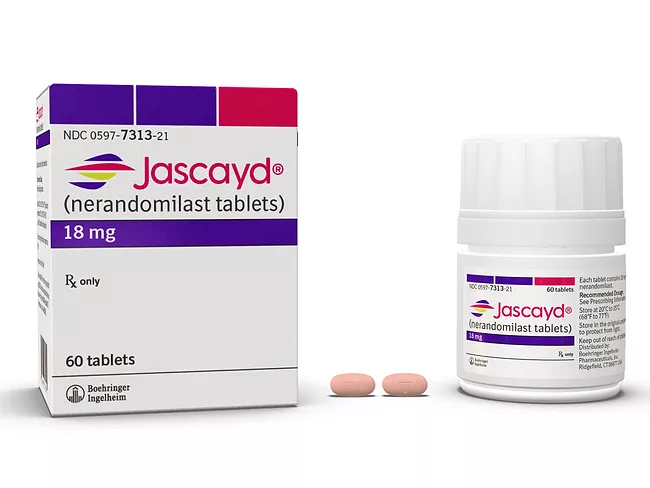
As generic versions of its blockbuster drug Ofev (nintedanib) start to hit the market, Boehringer Ingelheim GmbH looks to have swerved the patent cliff, with European and Japanese regulators both approving a potential replacement, Jascayd (nerandomilast), this week. At its monthly meeting, the EMA’s Committee for Medicinal Products for Human Use also recommended Novartis AG’s Vijoice (alpelisib) be given conditional approval in the treatment of PIK3CA-related overgrowth spectrum disorders.
Shanghai Maxinovel Pharmaceuticals Co. Ltd. has prepared new drug conjugates consisting of small-molecule drugs bonded to radiolabeled chelating agents through linkers acting as programmed cell death 1 (PDCD1; PD-1; CD279)/PD-1 ligand 1 (PD-L1; CD274) interaction inhibitors.
Hanmi Holdings Co. Ltd. has synthesized new transcriptional coactivator YAP1/transcriptional enhancer factor (TEAD) interaction inhibitors potentially useful for the treatment of cancer.

 RSS
RSS