The recent multibillion-dollar licensing alliance between Bristol Myers Squibb Co. and Jiangsu Hengrui Pharmaceuticals Co. Ltd is not an outlier, but rather the clearest sign yet that China’s biotech industry has entered a new phase of global influence.
Shanghai Institute of Materia Medica of the Chinese Academy of Sciences and Yantai New Drug Creation Shandong Laboratory have reported new degrader-antibody-drug conjugates (DACs) potentially useful for the treatment of cancer which are comprised of an antibody covalently bound to a molecular glue degrader moiety.
Inxmed (Nanjing) Co. Ltd. has discovered new focal adhesion kinase (FAK) and focal adhesion kinase 2 (FADK2; PTK2B; PYK2) dual inhibitors potentially useful for the treatment of cancer.
Zhejiang Normal University has patented new inhibitors of proto-oncogene tyrosine-protein kinase receptor Ret (RET; CDHF12; PTC) and its mutants potentially useful for the treatment of cancer.
Matter Bio has submitted its first IND application to the FDA for Lm-LLO-TT, the company’s lead therapeutic candidate, seeking to initiate a first-in-human phase I/IIa trial in patients with pancreatic ductal adenocarcinoma (PDAC).
Mekanistic Therapeutics Inc. has obtained IND clearance from the FDA for MTX-531, the company’s lead oncology candidate. A phase I study will be conducted in patients with advanced solid tumors characterized by dysregulated EGFR and/or PI3K signaling, including head and neck and endometrial cancers. Dosing is expected to begin in the third quarter.
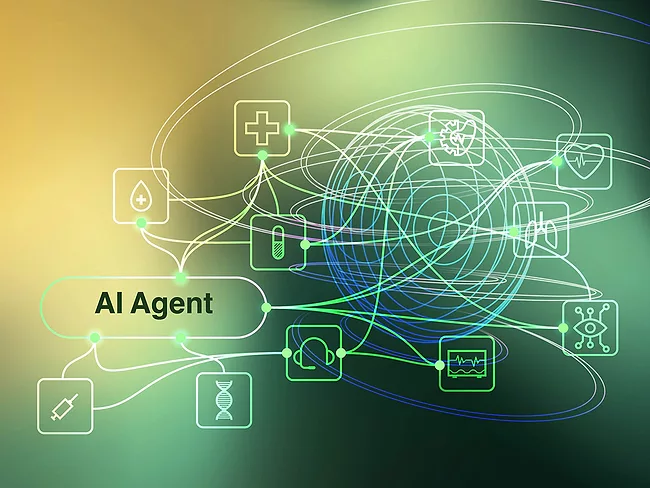
There are real world demonstrations of how autonomous artificial intelligence agents are poised to disrupt biomedical research, according to two papers published May 19 in Nature. Each describes an AI system that assists across the piece, from generating hypotheses to designing experiments, analyzing the data and refining hypotheses in the light of new data.
Degron Therapeutics Inc. closed a $40 million series A extension round that will see the company advance its molecular glue degraders targeting previously undruggable or insufficiently drugged proteins.
There are real world demonstrations of how autonomous artificial intelligence agents are poised to disrupt biomedical research, according to two papers published May 19 in Nature. Each describes an AI system that assists across the piece, from generating hypotheses to designing experiments, analyzing the data and refining hypotheses in the light of new data.
Create Medicines Inc. closed a $122 million series B financing round to support its pipeline of therapies that use mRNAs delivered via liquid nanoparticles to express chimeric antigen receptors (CARs) in T cells, NK cells and myeloid cells inside the body of patients. The Cambridge, Mass.-based company estimates the capital will last through 2028, providing the opportunity for multiple clinical readouts of its various products.
 RSS
RSS