Previous work showed that RNase H2 activity helps triple-negative breast cancer (TNBC) cells manage high levels of replication stress, offering new therapeutic insights. Researchers from The University of Texas MD Anderson Cancer Center and Cleveland Clinic now show that cells escaping senescence depend on overexpression of RNase H2, which removes misincorporated ribonucleotides from genomic DNA. They confirmed that TNBCs rely on RNase H2 to tolerate high replication stress.
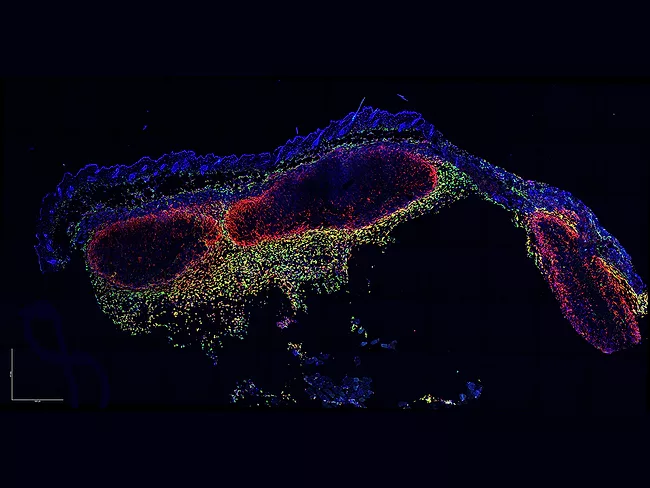
Australian researchers have identified a previously overlooked population of immune cells in the skin that physically restrain melanoma growth by engulfing live melanoma cells, and the discovery could reshape thinking around macrophage-targeted cancer therapies and innate immunity in oncology.
New regulations tighten regulatory oversight of China’s investigator-initiated trials (IITs) but legitimize the pathway that will be open to other modalities beyond cell and gene therapies.
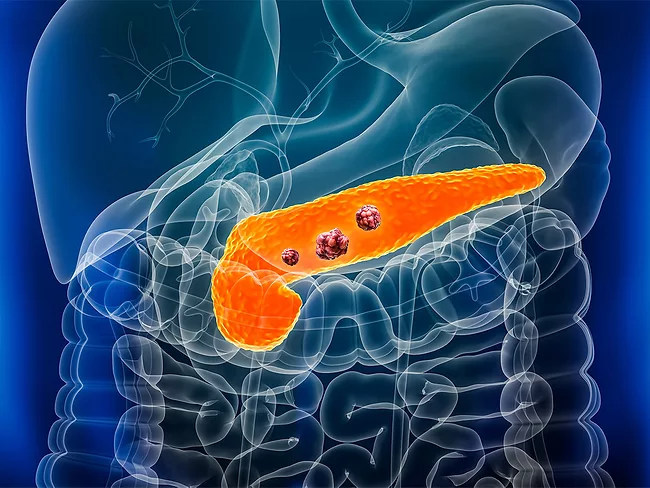
Immuneering Corp. reported a median overall survival of 17.3 months in first-line metastatic pancreatic cancer patients treated with its MEK inhibitor atebimetinib (IMM-1-104) plus modified gemcitabine/nab-paclitaxel in a phase IIa trial. Mizuho analyst Graig Suvannavejh called the results “astounding … easily beating current standard-of-care treatments.”
As generic versions of its blockbuster drug Ofev (nintedanib) start to hit the market, Boehringer Ingelheim GmbH looks to have swerved the patent cliff, with European and Japanese regulators both approving a potential replacement, Jascayd (nerandomilast), this week. At its monthly meeting, the EMA’s Committee for Medicinal Products for Human Use also recommended Novartis AG’s Vijoice (alpelisib) be given conditional approval in the treatment of PIK3CA-related overgrowth spectrum disorders.
Shanghai Maxinovel Pharmaceuticals Co. Ltd. has prepared new drug conjugates consisting of small-molecule drugs bonded to radiolabeled chelating agents through linkers acting as programmed cell death 1 (PDCD1; PD-1; CD279)/PD-1 ligand 1 (PD-L1; CD274) interaction inhibitors.
Hanmi Holdings Co. Ltd. has synthesized new transcriptional coactivator YAP1/transcriptional enhancer factor (TEAD) interaction inhibitors potentially useful for the treatment of cancer.
Defects in antigen presentation lead to resistance to cancer immunotherapy, where type I conventional dendritic cells (cDC1s) are crucial drivers of antitumor immunity and their presence is tied to favorable responses and better outcomes. Intratumoral delivery of adenoviral vector, Ad5-PIB, encoding PU.1, IRF8 and BATF3 reprograms tumor cells into cDC1-like antigen-presenting cells and has shown synergy with immune checkpoint blockade (ICB) therapy at exerting antitumor immunity. Asgard Therapeutics AB has developed AT-108, a lead candidate developed for durable efficacy.
Umoja Biopharma Inc. performed preclinical studies to evaluate the antitumor activity of UB-VV500, an off-the-shell lentiviral vector CAR T-cell product. It is based on its Vivovec technology and designed to engineer fully human anti-B-cell maturation antigen (BCMA)/G protein-coupled receptor class C group 5 member D (GPRC5D) dual-targeting chimeric antigen receptor (CAR) T cells, for the potential treatment of multiple myeloma (MM).
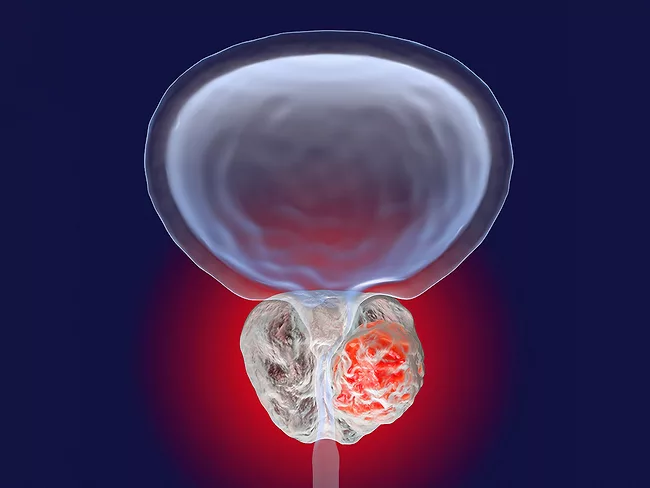
Shanghai Henlius Biotech Inc.’s HLX-3902, a trispecific antibody targeting STEAP1xCD3xCD28, has received approval from the Human Research Ethics Committee (HREC) in Australia and has been filed with the Therapeutic Goods Administration (TGA). The T-cell engager is intended for the treatment of metastatic castration-resistant prostate cancer and other advanced solid tumors.

 RSS
RSS